مارك: رحلة إلى قلب أكبر إمبراطورية غير إقليمية في التاريخ — جيرمي ستيرن
خلاصة بروفايل «Mark» الذي كتبه جيرمي ستيرن (Jeremy Stern) في مجلة Colossus عن مارك زوكربيرغ: «مأزق الطاغية» الذي يجعل من حوله أعجز عن مصارحته كلّما اتّسعت سلطته، وإمبراطوريةٌ من 3.6 مليار مستخدم يحكمها رجلٌ لا يملك الأرض التي تقوم عليها، ورهانٌ بمئات المليارات على الذكاء الاصطناعي. مختصر بطلبك لقراءة خمس وعشرين دقيقة.
١ · الوالدان: «هذا طفلي»
مِنلو بارك — إد وكارن زوكربيرغ.
يفتتح جيرمي ستيرن (Jeremy Stern) مقاله بلقاء والدَي مارك زوكربيرغ. يقول إد إنه لم يكن يبدو الأذكى في العائلة: «لو سُئلت لقلتُ إن ابنتنا الوسطى دونا كانت تُعدّ الذكية»، ثم يضيف: «هو فقط صادف أن كان في المكان الصحيح في الوقت الصحيح». فتصحّحه كارن بلطف: «أظن أن أصحاب الشغف هم أسعد الناس حظاً في العالم» [¶4–7].
الخيط الروماني
برع في اللاتينية وأحبّ فِرْجِيل، وبعد قرابة عقد كان لا يزال يستذكر بيت حكم جوبيتر في Aeneid: «هؤلاء لا أضع لهم حدّاً في المكان ولا في الزمان؛ لقد منحتُهم سلطاناً بلا نهاية» [¶17]. وفي هارفارد كان من أوائل ما بناه أداةُ مذاكرة لمقرّر «Rome of Augustus». وفي اجتماعات الأزمات الأولى في فيسبوك كان يختم خطبه بـ«يجب تدمير قرطاج»، واجتماعات الجمعة العامة بصياحه: «السيطرة!» — حتى حذّره شون باركر، أول رئيس لفيسبوك، من أن ذلك قد يُقتبس يوماً في دعوى مكافحة احتكار، ولاحظ فيه لاحقاً «هذا النزوع الإمبراطوري» [¶18]. وتحدّث علناً عن «المنهج القاسي جداً» الذي اتّبعه أغسطس قبل أن «يؤسّس مئتي عام من السلام العالمي»: «لم يأتِ ذلك مجّاناً. كان عليه أن يفعل أشياء معيّنة». وفي مؤتمر شركته سنة 2024 ارتدى قميصاً كُتب عليه «AUT ZUCK AUT NIHIL» — «إمّا قيصر وإمّا لا شيء». وأسماء أطفاله الثلاثة: مكسيما، وأغسطس، وأوريليا [¶19].
السؤال الذي جاء من أجله
يسأل ستيرن: كيف يكون شعورك وأنت والدا رجل ضمن قبل الثانية والأربعين مكاناً في الكتب التي ستُكتب عن عصره لقرون بعد موته؟ [¶22] يجيب إد بأن من أهمّ أدوارهما الآن إبقاء الأحفاد على الأرض، ثم يضيف: «يعرف ما يحتاجه الناس ويريدونه، أحياناً قبل أن يعرفوه هم. يسمّيه الناس متغطرساً—» فتقاطعه كارن: «ليس كذلك». «—لكن مرّةً بعد مرّة، يتحوّل غروره إلى حقيقة». ثم يتأمّل: «ستعيش هذا يوماً أنت أيضاً، حين يكسف أولادُك ضوءك» [¶23–28]. وتنتظر كارن حتى ينتهي زوجها، ثم تستدير نحو الكاتب بنظرة حانية حازمة: «أستطيع أن أخبرك كيف هو الأمر بالنسبة لي كأمّ. هذا طفلي» [¶29].
«كُتبت عنه وقيلت عنه أشياء غير صحيحة إطلاقاً، منذ سنّ مبكّرة جداً… أتساءل أحياناً حقاً: هل جلس أحدهم يوماً وفكّر: هذا إنسان حقيقي؟… كان الأمر قاسياً حقاً. أعني، كيف كان شعورك لو أن طفلك تعرّض لهذا النوع من التفحّص؟»
٢ · معلَّقاً في الهواء
بحيرة تاهو — استوديو القتال في المقرّ الصيفي.
«مارك زوكربيرغ معلَّق في الهواء»، يفتتح ستيرن المشهد. «لا يطفو ولا يغرق، ولا يصعد إلى أي مكان. إنه يُرفَع كالكأس» [¶42]. الذي رفعه آيدن فالنسيا، بطل المصارعة في الدرجة الأولى الجامعية بوزن 149 رطلاً؛ ثم يعيده إلى الأرض — أي يصفعه بها. ولا يكاد الآخرون يلتفتون: ديف كاماريّو مدرّبه للفنون القتالية المختلطة، ومِراب دفاليشفيلي بطل UFC السابق لوزن الديك والمنافس الأول حالياً [¶44]. «الحرب هنا!» يقول فالنسيا وهو ينهض عنه [¶45]. ويقول زوكربيرغ وهو يستعيد وقفته: «لا أستطيع أن أعالج بسرعة تكفي لأفهم ما يحدث»، ثم يطلب منه أن يشرح كيف فعلها [¶46].
يتحدّث زوكربيرغ علناً عن انجذابه إلى «الطاقة الذكورية» في القتال، موازنةً لعالم الشركات والمجتمع الأمريكي «المخصيّ أو منزوع الرجولة». وبعد عقدين في زيّه الشهير ظهر سنة 2024 بشعر أطول وسلسلة ذهبية واهتمام بالجوجيتسو البرازيلية، فتكهّن كثيرون بأنه أعاد تقديم نفسه ركناً من أركان عالم الذكورة. لكن ستيرن يرى في استوديو القتال سبباً آخر لتخلّيه عن عادة عمره في النوم متأخّراً، ليضرب ويُضرب ثلاثة صباحات في الأسبوع [¶48].
٣ · مأزق الطاغية
الحجّة المركزية للمقال.
منذ 23 سنة، والحقيقة الوحيدة المهيمنة على كل لحظة في كل غرفة دخلها هي أنه مارك زوكربيرغ. وصحّ ذلك حتى في لقاءاته برؤساء الدول — ومنهم رؤساء بلاده — الذين لا بدّ أنه خطر لهم، وهم يحاولون عصره وتهديده وتحميله مسؤولية كل شيء من نتائج الانتخابات إلى التطهير العرقي، أنهم سيخرجون من مناصبهم يوماً ثم يموتون، بينما قد يبقى زوكربيرغ بعد خمسين سنة حاكماً لإمبراطوريته — فسيطرته على أغلبية قوة التصويت في ميتا تجعل عزله مستحيلاً عملياً. وهذه الإمبراطورية اليوم: 3.6 مليار مستخدم، وقيمة سوقية 1.6 تريليون دولار، وقد أضافت على مدى قرابة ربع قرن صفراً إلى تقييمها مرّة كل دورة رئاسية أمريكية تقريباً [¶49].
«ليس وضعاً طبيعياً لكائن بشري أن يكون فيه، فضلاً عن أن يكون فيه منذ التاسعة عشرة»، يكتب ستيرن. «ثلاثمئة ألف سنة من البيولوجيا التطوّرية لا تمنح رجلاً في هذا الموضع مفاتيح الوصول السهل إلى الآخرين أو إلى الواقع». ومع أن حياته شاذّة إحصائياً، فالمأزق قديم. ومن المصطلحات المعاصرة لوصفه: العزلة المعرفية (epistemic isolation)، ومشكلة الوكيل والأصيل (principal-agent problem)، وأثر الصمت الهرمي (hierarchical MUM effect). وأنظفها — كما يرى — «مأزق الطاغية» (dictator’s dilemma)، وهو لا يلزم أن ينطبق على الأنظمة الاستبدادية وحدها [¶50].
الفكرة بسيطة وبديهية: كلّما اكتسب الرجل سلطةً أكبر واتّسعت إمبراطوريته، اعتمد أكثر على غيره في معرفة كل شيء — من بلاطه إلى أقاصي الإمبراطورية. ومع ذلك، فإن أولئك الناس، خوفاً أو رهبةً أو حفاظاً على أنفسهم، يصيرون أقلّ استعداداً لإخباره بما يظنّون أنه لا يريد سماعه — فيزداد عزلاً عن الواقع بينما تزداد عواقب قراراته اتّساعاً، وتسقط الحواجز التي تمنع المرء من تصديق هرائه هو.
| وقعوا فيه [¶52] | احتاطوا له [¶53] |
|---|---|
| ربيع 1941: لم يبقَ ضابط يملك الشجاعة لمناشدة ستالين بعد أن سخر من معلومات عن غزو ألماني وشيك. | لينكولن سكن مكتب التلغراف في وزارة الحرب ليقرأ برقيات الميدان خاماً قبل أن يرشّحها المرؤوسون. |
| هنري فورد تجاهل التحذيرات من موت Model T، ومديرو نوكيا الوسطى سنة 2007 هوّنوا من ظهور الآيفون خوفاً من رؤسائهم. | أغسطس: ينادي أعضاء مجلس الشيوخ عشوائياً ليقطع الطريق على الكلام المُعدّ سلفاً، ويُدوّر مجلسه الاستشاري، ويتحمّل التشهير والنكات على حسابه. وأنشأ أول نظام بريد بالعربات ليستجوب مصدراً مباشراً قبل أن يفسده أحد. حكم أربعين سنة ومات في فراشه [¶54]. |
٤ · كم يتسرّب إليه من الحقيقة؟
بحسب جميع من قابلهم الكاتب تقريباً — وهم ثلاثة دزّينات — فإن زوكربيرغ شديد الوعي باحتمال هذا المأزق، أي مرتاب. هو مدير تفاصيل عنيد ومستهلك نهم للبيانات، وكثيراً ما يتعامل مع مرؤوسي مرؤوسيه، إدراكاً منه أن الحلقة الضيّقة حول أي رئيس هي الأكثر تحفيزاً للتصرّف كحاشية. ويُعرف بدعوة خبراء من الخارج لمجادلته في قراراته — وإن كان لا يُعرف بأنه تنازل يوماً قِيد أنملة. ويتحمّل اللوم علناً عن أخطاء غيره، ربما لأنه يقبل حقيقةً يقبلها موظفوه أيضاً: هو الشركة، والشركة هي هو [¶55].
«لكن قدراً من الانزلاق ربما كان حتمياً»، يكتب ستيرن: فاختصار M.M.H. — «Make Mark Happy» (أسعِدوا مارك) — كان لفترةٍ اللقبَ الداخلي لمشروع ظنّ المرؤوسون أنه ينهار، لكنهم شعروا أنهم مضطرّون لدعمه، وكانوا يشجّعون بعضهم على «الوقوع في حبّه». والتقارير لا تنتهي عن مهندسين اقترحوا إصلاحات خوارزمية لخفض ترتيب المحتوى الرديء، فقتلها رؤساء توقّعوا — على الأرجح بدقّة — أن زوكربيرغ لن يقبل التضحية بتوسّع إمبراطوريته من أجل جودة المحتوى [¶56].
ولا شيء من ذلك خاصّ به: فحتى كبار رجال الدولة يجدون أنفسهم محاطين بأناس يظلّون محكومين بالخوف أو الرهبة، أو بتوقّع المكافأة، أو بإدراك عقلانيّ أن ثمّة رجلاً واحداً لا يمكن تصفيته. وقد نال أغسطسُ نفسه لومَ سِنيكا: «ومن عادات الملوك أن يُهينوا خدمهم الحاضرين بمدح من فقدوهم، وأن ينسبوا فضيلة الصدق في القول إلى من لم يعد يُخشى سماعُها منهم» [¶57].
ويرى ستيرن سبباً أبسط قد يفسّر بقاءه عالقاً رغم جهوده — وقد يفسّر أيضاً الدور المتعاظم الذي صار القتال يلعبه في حياته: فمعظم حلقته الضيّقة معه منذ أكثر من خمس عشرة سنة. وبعضهم كان موجوداً سنة 2006 حين استقال فريق الإدارة كلّه تقريباً بعد أن رفض زوكربيرغ — وعمره 22 — توسّلاتهم بقبول عرض ياهو! لشراء الشركة بمليار دولار، فتأسّس إلى الأبد مبدأ مركزي في ثقافتها: «في وجه المعارضة، زوكربيرغ على حقّ». وكثيرون منهم يدينون له بحياةٍ لم يحلموا بها — وقد يكونون ببساطة ممتنّين أكثر مما ينبغي لأن يحاولوا لعب دور المنقذ له من عزلة موضعه [¶58–59].
٥ · «تتلقّى لكمة في الوجه»
يعود المشهد إلى الحصيرة. يسأل زوكربيرغ دفاليشفيلي بعد جولة: «كيف نفّذت تلك الركلة التي يبدو فيها أنك تغرز أصابع قدمك في صدري أيضاً؟» فيشير إليه أن يعود إلى وضع القتال ليريه — فيضربه في الموضع نفسه بقوّة تقطع أنفاسه. يحاول زوكربيرغ الاحتفاظ بابتسامته والإشارة أن الأمر بخير، لكنه يجلس ويتمايل [¶62].
«أظن أن لدينا جميعاً فراغاً في حياتنا، والمحظوظون يجدون شيئاً يملأ تلك المساحة ليجعلنا أمثل، ليجعلنا بشراً أفضل. مارك ملأ الفراغ بالقتال. أظنّه يحبّ فعلاً عنصر الخطر. لو ذهبتَ يساراً حيث كان ينبغي أن تذهب يميناً، تتلقّى لكمة في الوجه. لكنني أظن أنه صار يشعر معنا أيضاً… أنه واحدٌ من الشباب.»
٦ · أسبوع في المِقْصَلة
على متن رحلة إلى نيوآرك يقرأ الكاتب مذكّرة داخلية عمّمها زوكربيرغ على موظفي ميتا البالغ عددهم نحو 70 ألفاً، يحاول فيها معالجة المعنويات بعد تسريحات. وخلال ساعات كانت المذكّرة قد سُرّبت، ونشرتها Wired بعنوان: «قولوا له إنه حقير: وحدة الذكاء الاصطناعي الجديدة في ميتا فوضى كاملة»، واقتبست موظفاً وصف وحدة الذكاء الاصطناعي التطبيقي بأنها «حرفياً الغولاغ» [¶70–71]. وجاء ذلك في وسط واحدة من نوبات الشركة المتكرّرة أبداً في قفص التشهير [¶72]:
- حُكمان من هيئتَي محلّفين بأن تطبيقات ميتا أضرّت بالمستخدمين الصغار عن علم أو إهمال، ومعهما آلاف القضايا المعلّقة — منها قضية تسعى فيها أربع ولايات إلى غرامات قد تعادل القيمة السوقية للشركة كلّها. وفي أغسطس سوّت ميتا مع 51 ولاية قضائية بما يصل إلى 17.1 مليار دولار، دون إقرار بأي مخالفة.
٧ · إمبراطور لا يملك أرضه
هنا أطروحة المقال الثانية: زوكربيرغ صاحب سيادة داخل بلاطه — محصّن من سيطرة المساهمين أو مجلس الإدارة — لكنه لا يملك في الواقع أرض الإمبراطورية. ملكها مرّة واحدة، حين كان فيسبوك موقعاً على سطح المكتب في الويب المفتوح. فلمّا ظهر الهاتف الذكي فقد أرضه ولم يستردّها قطّ. والصدمة المبكّرة — أنه كاد يفوّت الانتقال إلى الجوال — لم تفارقه. ومع أن غزو تطبيق فيسبوك للجوال هو الذي صنع متجر تطبيقات آبل تقريباً، فإن المتجر بدوره هو الذي صنع فيسبوك. وزوكربيرغ لا يحبّ أن يُصنَع [¶81].
فآبل تفرض رسماً على السلع الرقمية داخل تطبيقات ميتا، وتجبي ضريبة على منتجها الإعلاني الأساسي، وكل تحديث يجب أن يمرّ بمراجعتها — ولها تاريخ من التعسّف والتقلّب. وسنة 2021 جاءت خاصية «شفافية تتبّع التطبيقات» (ATT)، التي قدّمتها آبل في مواجهة زوكربيرغ بوصفها حمايةً للخصوصية، فشلّت آلة التتبّع لكل عمل إعلاني على الجوال يعتمد على البيانات العابرة بين التطبيقات — إلا عملها هي — وكلّفت ميتا نحو 10 مليارات دولار في السنة الأولى وحدها. ويصف بن طومسون ذلك بأنه «أحد أسوأ انتهاكات مكافحة الاحتكار في تاريخ التقنية» [¶82].
ومن هنا يقرأ الكاتب مشاريعه المحيّرة — هاتف فيسبوك، وFacebook Home، وFree Basics، وعملة Libra ثم Diem، وشراء Oculus VR — بوصفها أنفاقاً حفرها للهروب من سجن آبل والمنافسين، واستعادة أرضه. وكلٌّ منها انهار، بدرجات متفاوتة [¶83–84]. يقول لجينسن هوانغ سنة 2024: «هناك أشياء كثيرة جداً حاولت بناءها فقيل لي: لا، لا تستطيع بناء ذلك — من مزوّد المنصّة. وفي مرحلة ما أقول: لا. تبّاً لهذا» [¶85].
ومع ذلك، من داخل هذا القيد: حقّق قبل الثلاثين ربط مليارات البشر آنياً. وبنى قبل الثانية والثلاثين أقوى عمل ترفيهي وإعلاني في التاريخ. وقبل الثانية والأربعين صار واحد من كل 2.3 إنسان يتنفّس الآن يستعمل منتجاته — أي أكثر من مجموع البشر الذين كانوا موجودين سنة 1965. والإيراد السنوي يتجاوز 200 مليار دولار بمراحل، والإنفاق الرأسمالي هذه السنة سيفوق الميزانية العسكرية لكل دولة على الأرض عدا الولايات المتحدة والصين وروسيا. ولكلٍّ من فيسبوك وإنستغرام وواتساب عدد مستخدمين شهريين أكبر من عدد المسيحيين الأحياء [¶86]. ويقارنه ستيرن بأقرانه الذين يتنازلون أو يبيعون أو يُطاح بهم: «إنه النموذج البرتغالي للإمبراطورية: بعد أن تفتح نصف العالم، تعود إلى بيتك». أمّا هو فلا [¶87].
٨ · النظارات: «سجنك ليس تطبيقاتي»
حفل Hey Meta: AI Glasses Showcase في مستودع تيرمِنال على نهر هدسون.
يرى زوكربيرغ في النظارات تصديقاً لرهانه الممتدّ إلى 2014، حين اشترى Oculus بملياري دولار — وهو القسم الذي أقنعه بتغيير اسم الشركة كلّها إلى ميتا بحلول 2021، والذي التهم حتى اليوم نحو 90 مليار دولار. الميتافيرس بذاته كان نفقاً منهاراً، لكنه مقتنع بأن النظارات إحدى ثمراته: هي «الشكل المثالي» لذكاء اصطناعي «يرى ما ترى، ويسمع ما تسمع، ويحدّثك طوال اليوم». ويضرب مثلاً أنه ارتداها وهو يخبز مع ابنته، فأخبرته النظارة — دون أن يسألها — أنه يُفسد الوصفة [¶90]. وفي نسخة العرض شاشة مدمجة في العدسة اليمنى تحني الضوء إلى عين واحدة فقط، فيلمح المستخدم الرسائل أو الاتجاهات أو ترجمة فورية [¶91]. ويحصي الكاتب أنه ذكر «تمكين» الأفراد ستّ مرّات في مقابلة مدّتها 45 دقيقة، دون أن يبدو متوقّعاً أنها ستُعرف بين المتشكّكين بـ«نظارات المتحرّشين» [¶92].
«لديك هذا المسار عبر الزمن، حيث تصير الحوسبة أكثر طبيعيةً واندماجاً في حياتنا. والنظارات تمنحك فرصة أن تتفاعل مع التقنية وتبقى حاضراً مع من حولك — وهو أمر أراه جوهرياً بحقّ، وواضحٌ أن الهواتف لا تفعله. حين تتفاعل مع هاتفك فأنت تتفاعل مع هذا المستطيل الصغير. إنه يسحبك بعيداً عن العالم من حولك.»
ويقرأ ستيرن هذا المنطق بأنه «بارعٌ وإن كان شقيّاً»: ذلك المستطيل المتوهّج الذي تقضي عمرك منحنياً عليه في صلاة خاوية؟ لعلّه هو ما يجعلك أنت وأولادك قلقين ومكتئبين. سجنُك ليس تطبيقاتي؛ سجنك هاتفك، وهو سجني أنا أيضاً. ويضيف زوكربيرغ أنها «نظارات ممتازة أولاً… التقنية ثانوية»، وأن «قرابة ملياري شخص في العالم يلبسون نظارات طبية أصلاً، ومليارات غيرهم يلبسون نظارات شمسية» [¶94]. وتُختتم المقابلة بسؤال عن سبب عدم توقّفه، وهو سادس أغنى شخص على الكوكب: يقول إن بريسيلا تسأله ذلك كثيراً، لكنه غير مهيّأ للتوقّف — ثم يستطرد في وراثة الأبقار التي درسها لمزرعته في هاواي، ويعود: «لن أتوقّف أبداً. يمكن أن أصير مهووساً» [¶95].
٩ · أربع مرّات أُعلن فيها موته
| الفترة | لماذا قيل إنه انتهى [¶99] | ما حدث بنهايتها [¶100] |
|---|---|---|
| 2012 | أزمة الجوال بعد الاكتتاب: موقع مبالَغ في تقييمه وجمهوره انتقل إلى منصّة لا يستطيع تحصيلها، وهو «أصغر من كنزته» وأقلّ نضجاً من أن يدير شركة عامة. | بنهاية 2013 كان قد بنى واحداً من أكثر عملين إعلانيين ربحية على الجوال في العالم. |
| 2013–2017 | هجرة المراهقين إلى تمبلر ثم سناب شات، وفيسبوك يُترك ليموت بوصفه «ماي سبيس القادم»، والسخرية منه لدفعه الزائد في ذعرٍ لشراء إنستغرام وواتساب. | بنهاية 2017 كان قد سحق سناب شات بنسخ ابتكاره القاتل في Instagram Stories. |
| 2017–2020 | فيسبوك «كسر الديمقراطية»، ولجنة التجارة الاتحادية تقاضيه بدعوى احتكار غير قانوني، والشركة تتكبّد أكبر خسارة في يوم واحد في تاريخ السوق حتى حينها: 120 مليار دولار. | بنهاية 2020 تبيّن أن موته المتوقَّع وهمٌ: المستخدمون النشطون يومياً زادوا في كل ربع من أرباع الفضائح، والمعلنون لم يغادروا، ودفع 5 مليارات دولار تسوية خصوصية. |
| 2022–2025 | رحيل المستخدمين إلى تيك توك الأفضل خوارزمياً، وATT تهدّد بمحو عمله الإعلاني على الجوال، وإحراق عشرات المليارات في الميتافيرس. | بنهاية 2025 نجا من تيك توك باستنساخه في Reels، وتجاوز ATT بإعادة بناء الاستهداف الإعلاني بنماذج ذكاء اصطناعي كبيرة، وهزم محاولة تفكيك الشركة (وقد استُؤنفت)، ووفّر النقد بتسريحات جماعية. |
١٠ · الرهان: أحد عشر أسبوعاً من تغيير النظام
قبل 2024 كان زوكربيرغ يحوم حول حافّة الذكاء الاصطناعي منذ أكثر من عقد: مختبر FAIR الذي أسّسه له يان لوكان (Yann LeCun) سنة 2013، ثم Llama 3.1 مفتوح الأوزان الذي نُزّل أكثر من مليار مرّة بحلول مارس 2025 — «لينكس الذكاء الاصطناعي» كما سمّاه في بيانٍ له [¶103–104]. ثم بدا — له على الأقل — أنه انهار. فقد قوبل Llama 4 في أبريل 2025 بسخرية بوصفه مبالَغاً في الترويج له ودون المستوى ويتلاعب بمقاييس التقييم. ويعلّق ستيرن بأن هذه الأمور «هوسية اكتئابية» بطبعها — فكل مختبر كبير إلا واحداً يكون «متأخّراً» عن الحافّة في أي لحظة، والمختبر «الفائز» يتغيّر كل ثلاثة إلى ستة أشهر — فكان الإصدار نكسة كبيرة قابلة للعكس لا كارثة [¶105]. لكن المشكلة أنه صار واضحاً له أن في الذكاء الاصطناعي مزايا تراكمية لسجلّ الفوز السابق، بمعنى أن «عدم الفوز حالياً» قد يكون في أي ربع بعينه كارثةً لا رجعة فيها — فالمختبرات تستعمل أحدث نماذجها لتدريب التالي، ونموذجه لم يكن جيّداً بما يكفي. وبدا له أن الذكاء الاصطناعي ليس نفقاً من الأنفاق المحتملة، بل أفق حدث: إن فوّته كما كاد يفوّت الجوال وتيك توك، فقد تمضي إمبراطوريته إلى العدم ببطء، وإن ببطء شديد [¶106].
وفي أول اجتماع لمجلس الإدارة بعده أعلن خطّة تغيير نظام. ويقول ستيرن إن الأسابيع الأحد عشر التالية أظهرت القوّة الصرفة لموضعه بوصفه رأساً لا يُخلع لإمبراطورية هائلة الموارد [¶107]:
- أدمج FAIR في تنظيم جديد: Meta Superintelligence Labs (MSL)، وأعاد ضبط سوق التعويضات لكبار الباحثين إلى مئات الملايين أو المليارات للرأس الواحد.
- دفع 14.3 مليار دولار لقاء حصّة في Scale AI، ونصّب مؤسّسها ألكسندر وانغ رئيساً للذكاء الاصطناعي في ميتا.
- سرّح مئات الموظفين من التنظيمات الأقدم، ورحل لوكان بعد قليل.
وبحلول أبريل 2026 أصدرت MSL أول نموذج مغلق الأوزان لها، Muse Spark، ونشرته عبر فيسبوك وإنستغرام وواتساب وتطبيق Meta AI الذي يشغّل النظارات — فاستُقبل بوصفه عودةً حذرة، لا عودةً إلى الحافّة بعد [¶108]. ويسجّل ستيرن فيضاً من التوقّعات بأن هذا سيكون نهايته أخيراً، ثم يضع حجّتي خصومه المتناقضتين جنباً إلى جنب: «لا يفهم أن الذكاء الاصطناعي لن يصير سلعة نمطية، وأن ميتا إذ لم يكن لها قطّ أفضل نموذج فلن يكون لها أبداً. لا يفهم أن الذكاء الاصطناعي سيصير سلعة نمطية، فيكون كالحرب العالمية الأولى: ينفق فيها كنزاً ودماً بلا أن يكسب ميزة». وخلاصتها: صورةً يربح منافسوه، وكتابةً يخسر هو [¶109]. ومن هذه الزاوية لا يهمّ أن Muse Spark تجاوز منذ يونيو نموذج Gemini فأعاد ميتا إلى مجموعة الحافّة، ولا أنه ينفق حتى 145 مليار دولار هذه السنة — منها أربعة مراكز بيانات بسعة جيجاواط أو أكثر [¶110].
أقوى صيغة للسيناريو المقابل
الذكاء الاصطناعي ليس إلهاً. إنه يحلّ الرياضيات ومجموعة محدودة من مشكلات البشر، وهو خلا ذلك مفيد وممتع. وAnthropic — وOpenAI بدرجة أقلّ — تجد صعوبة في قبول ذلك. أمّا زوكربيرغ فلا: لم يقضِ عقداً يقارن شركته بمشروع مانهاتن، فهو لا يترفّع عن دفع حافّة الذكاء الاصطناعي لمساعدة الناس على حجز تذاكر الطيران وحجوزات المطاعم وتحرير الصور. سيستعمله ليخفض تكلفة خدمة مستخدميه إلى الصفر وليرفع إيراده بتحسين الإعلانات، وسيستعمل نقد عمله الإعلاني وملكيّته لمراكز البيانات والرقائق — التي تضطرّ Anthropic وOpenAI إلى استئجارها — ليقدّم سعراً أقلّ منهما. وقاعدة التركيب المحتملة لذكائه الاصطناعي 3.6 مليار إنسان لا يهمّهم أن يكون نموذجٌ ما متأخّراً ستة أشهر عن الحافّة.
١١ · الفيلم واللعنة: لماذا هو كبش الفداء؟
حين صدر The Social Network سنة 2010 استأجر موظفو فيسبوك صالة سينما لمشاهدته مع زوكربيرغ، الذي كان مغموراً وخائفاً؛ كان عمره 26 سنة، والأسوأ أن المراجعات كانت جيّدة حقاً. وهو لا يزال يسمّيه «ذلك الفيلم الغبي»؛ إذ محوره أنه أسّس فيسبوك لا لأنه «يحبّ بناء الأشياء»، بل بدافع الحقد الطبقي والإقصاء الاجتماعي والرفض العاطفي. أمّا في الواقع فلم تكن هناك إريكا أولبرايت؛ إذ كان حين أسّسه سنة 2004 يواعد بريسيلا تشان التي تزوّجها. ولم ترفضه أندية النخبة لأنه لم يحاول أصلاً الانضمام إليها؛ بل كان عضواً محبوباً في أخوية ألفا إبسيلون باي اليهودية. وبحسب الأدلّة المتاحة، بناه لأنه كان معتاداً بناء مواقع وشبكات اجتماعية جديدة تباعاً، ولم تكن لديه فكرة عن وجهة هذا الموقع [¶121–123].
كامبردج أناليتيكا: «هراء شبه كامل»
ويرى ستيرن أن ذروة ما يسمّيه «متلازمة اختلال زوكربيرغ» كانت فضيحة كامبردج أناليتيكا — القصة التي لا يزال ملايين الناس يتذكّرونها بوصفها الجريمة المؤسِّسة للعصر الرقمي، مع أنها كانت هراءً شبه كامل [¶129]. جمع أكاديمي من كامبردج اسمه ألكسندر كوغان بيانات عبر اختبار شخصية أجراه أقلّ من 300 ألف مستخدم، عبر واجهة البرمجة نفسها التي استعملتها حملة أوباما سنة 2012، والتي كانت خاصية مفتوحة سنوات؛ وبتسليمه البيانات خالف شروط فيسبوك. لكن البيانات نفسها كانت في معظمها نفاية: أسماء وتواريخ ميلاد ومدن وإعجابات بصفحات، أنتجت «سلاحاً نفسياً-سلوكياً» تبيّن أنه يتنبّأ بسلوك الناخبين أسوأ من ملفّ الناخبين لدى اللجنة الوطنية الجمهورية. أمّا التحقيق الحاسم — وهو الأكبر الذي أجرته سلطة حماية بيانات على الإطلاق — فأنجزه مكتب مفوّض المعلومات البريطاني في أكتوبر 2020 بعد مداهمة مكاتب الشركة وفحص خوادمها، وخلص إلى أن بياناتها كانت في معظمها متاحة تجارياً واستُعملت أساساً كأداة تسويق مُغرِقة في الادّعاء، وأنها لم تُستعمل فعلياً في استفتاء بريكست. وعند تلك النقطة — قبل شهر من انتخابات 2020 — تلاشت الفضيحة من الإعلام الأمريكي أيضاً [¶130].
ولكن: خطاياه هو
ويقطع الكاتب الطريق على القراءة التبرئوية: «لا شيء من ذلك يعني أن زوكربيرغ لم يرتكب خطاياه التي لا تُغتفر». فقد أخذ في البداية معلومات صنّفها المستخدمون خاصّة فجعلها عامة بلا إنذار ولا موافقة؛ وشارك بياناتهم مع المعلنين بعد أن قال إنه لا يفعل. وابتهاجه الشبابي بتدمير نماذج عمل الإعلام التقليدي أظهر تقديراً ضئيلاً لعواقب ثورة اجتماعية بهذا الحجم. ودخل فيسبوك أسواقاً — مثل ميانمار — لم يكن المستخدمون ولا الشركة مستعدّين فيها إطلاقاً. وأهان نفسه حين حاول سنوات العودة إلى السوق الصينية: وضع نسخة من كتاب شي جين بينغ على مكتبه، وصُوّر يركض في ميدان تيانانمن، وطلب من الرئيس الصيني — بحسب تقارير نفتها فيسبوك — أن يسمّي طفله الذي لم يولد بعد. وتحت ضغط موظفين ومسؤولين بعد 2016 ضحّى سياسياً بمؤسّس Oculus بالمر لاكي، وخان لفترةٍ التزامه التأسيسي بحرّية التعبير. وكثير من المحتوى على فيسبوك وإنستغرام رديء ومسبّب للإدمان فعلاً، وكثيراً ما يرفض الاعتراف بأن الوقت الذي يقضيه المستخدم ليس بحكم التعريف انعكاساً لـ«القيمة» التي يجنيها [¶131–132].
ولعلّها تلك الحقيقة البسيطة التي لا تُحتمل — أن التقنيات الجديدة تُخترع دائماً، وأن المكسور هو نحن — هي ما يستدعي كبش فداء. ومن أفضل منه؟ يُرى في آنٍ واحد داهيةً وساذجاً، محسوباً ومحظوظاً، شديد القوّة وشديد الجبن… هو في رجل واحد تجسيد المسؤولية عن الشعبوية اليمينية المتطرّفة؛ والسلطوية اليسارية؛ وموت الصحافة؛ والاستقطاب؛ والدعاية السياسية؛ والرقابة السياسية؛ ومخاطر حرّية التعبير؛ وانتهاكات حقوق الإنسان؛ واكتئاب المراهقين؛ وتشوّه صورة الجسد؛ ووحدة الذكور. إنه إمبراطور مدى الحياة. وهو، بكلمة واحدة، هدفٌ سهل.
١٢ · المقابلة: «لستُ بحاجة إلى ذلك»
بالو ألتو — غرفة معيشته.
يدخل زوكربيرغ من الباب الخلفي ويجلس على حافّة مقعده بظهر مستقيم. يصفه الكاتب بأنه في الحقيقة يختلف كثيراً عمّا هو عليه أمام الكاميرا: وهو مصاب بعمى الألوان الأحمر-الأخضر — والأزرق هو اللون الذي يراه أفضل، ولذلك اختاره لفيسبوك. أقلّ إحراجاً مما توقّع، لكنه أصعب في المتابعة؛ نشيطٌ ولطيف ومحصَّن عاطفياً. وحين يُستدرج إلى التأمّل يبدو أنه يحاول بصدق إطفاء «دماغ الشركة» لديه — لكنه لا يستطيع تماماً: تكاد تراه يقلّب الكلمات في ذهنه ليتأكّد أنها ستصلح أيضاً لمهمّة شركته، أو أنها لن تخذل موظفيه بإحراجهم [¶141].
ويشرح لماذا توقّف عن محاولة إصلاح صورته: «في البداية، كلّما تحدّثتُ علناً، قال الناس: أوه، أنت آليّ أو ما شابه… ثم صرتُ غير واثق من نفسي بشدّة. لكن العمل كشخصية عامة كان بالنسبة لي حلقة تغذية راجعة إمّا معدومة الإيجابية أو حتى سلبية. فليكن، سأُبقي رأسي منخفضاً» [¶142]. ويعزو ذلك إلى بنية شركته: لأنها كانت مربحة مبكّراً وتحت سيطرته الكاملة دائماً، استطاع أن يتحمّل غريزته في تجاهل النقد الخارجي والتركيز على «حاجة عميقة لديّ إلى التماسك الداخلي»: «أداتي الأساسية في هذا العالم أن أجلس، وأبني فريقاً، وأحسّن شيئاً بمنهجية على مدى طويل. ليست عملية مثيرة. لكن بسبب تلك البنية، لا أحتاج إلى جمع تمويل، ولا إلى إقناع كثير من الناس في الطريق» [¶143].
وحين يُسأل عن تسونامي الكراهية الذي بلغ ذروته سنة 2016، يرسم أربع دوائر متّحدة المركز: ① عداء أوسع لوادي السيليكون ولمليارديرات التقنية — وهو مشروع، كما يقول، في السؤال عمّا يعيدونه للمجتمع مقابل ما يأخذونه. ② رفض التحالفات السياسية النخبوية أن تنظر في داخلها بعد الخسارة. ③ الطبيعة الملازمة لوسائل التواصل، التي تستدعي بحكم تعريفها أسئلة عن الخصوصية والمشاركة العلنية. ④ ما يتمنّى لو تعامل معه على نحو مختلف [¶147] — وعنها يقول: «الحقيقة أن هذه كانت مسألة سياسية أكثر منها مسألة شركة، وفيزياؤها مختلفة. كلّما تحمّلنا المسؤولية أكثر، شعر الناس أكثر: أوه، يمكننا ببساطة أن نلومهم وسيقبلون اللوم. ومع الوقت أدركنا أننا نحتاج في الحقيقة إلى المقاومة في هذا» [¶148].
«أظن أنه رُئي من بعض الوجوه وحشياً. لكن أهمّ إسهام قدّمه في رأيي أنه علّم المجتمع أنك لست مضطرّاً أن تكون في حرب دائماً. قبل أغسطس، كان تعريف السلام هو الفترة المؤقّتة التي يكون فيها أعداؤك مقهورين قبل أن تُضطرّ لهزيمتهم من جديد… كان عليه أن يعيد توصيل الاقتصاد: بدل جيش دائم ضخم، يقنع الناس بأنهم يستطيعون بناء الأشياء، وأن اقتصاداً قائماً على التجارة بدل اقتصاد قائم على النهب سيكون موجب المجموع. ونجح إلى حدّ ما.»
ثم يتحفّظ — كما يصف الكاتب «بتقليل واجب» — قائلاً: «كانوا أيضاً بحاجة إلى مواصلة توسيع الإمبراطورية»؛ وأغسطس أرسى سلامه كذلك باحتكار القوّة وإنهاء الحرّية السياسية. ويضيف: «ولهذا تلقى فكرة أغسطس صدىً كبيراً عندي: هذا تطوّرٌ لا تعرّض فيه الناس للخطر الجسدي؛ هناك مجموعة حقوق للجميع، ويمكنك مع ذلك أن تخوض سجالاً فكرياً يدفع العالم إلى الأمام بلا أن يذهب الناس حرفياً إلى الحرب ويقتلوا بعضهم». ويختم: «يبدو أن ذلك كان ينبغي أن يكون بديهياً يفهمه الناس طوال الوقت. لكن لا، لم يكن كذلك. لقد تطلّب فعل قيادة وشجاعة، شخصاً ظنّ الجميع أنه مخطئ على الأرجح. لكنه قال: لا. ينبغي أن نفعل هذا» [¶153–154].
١٣ · عشاء السبت: «لن يكون هو لو توقّف»
في زيارته الأخيرة إلى تاهو يحمل الكاتب صينيّتَي سلمون خبزتهما بريسيلا تشان لعشاءٍ لستة عشر شخصاً. وعلى طاولة البوفيه شموع السبت وكأس التقديس ورغيف الحَلّة المجدول. يشعلون الشموع ويتلون الصلوات، ثم يأكلون على مهل. وطوال معظم العشاء تمشي إحدى بناته على العشب وهي تقرأ كتاباً ورقياً؛ فقد وعدت نفسها أن تنهيه قبل حلول الليل ولا تريد أن يشغلها الطعام [¶155–156]. ويختلس الكاتب نظرة إلى زوكربيرغ فيجده مسترخياً يبتسم بسهولة: «وبخلاف غيره من الأماكن، ليس هذا وجه رجل مقيَّد أو عالق بأي معنى نهائي» [¶157].
ثم تناديه تشان ومعها حاسوب محمول، وتريه حسابات Google Docs وReplit لابنتها: «هي مقيَّدة نوعاً ما، لأن ماما لا تسمح لها ببناء أشياء مفتوحة على الإنترنت. أرادت مثلاً بناء موقع مواعدة. كان الجواب لا» [¶158]. وفيها روايةٌ ومدوّنة وبودكاست ومكتبة كتب صوتية ولعبة وتطبيقات برمجتها بالذكاء الاصطناعي، وخططُ عمل لكيفية تسويق هذه الأشياء وبيعها [¶159]. يسأل الكاتب: هل يجعلهم مارك يبنون أشياء على الحاسوب؟ «ليس فعلاً. هو لم يطلب منها أن تفعل أي شيء من هذا». فيسأل: هل تحاول أن تكون مثل أبيها؟ «لا. كل هذا من عندها وحدها». فيسأل: لطيف جداً، لكن لماذا تريننا هذا؟ [¶160–164]
«أعرف مارك منذ 23 سنة. حوالي السنة الثامنة عشرة أو التاسعة عشرة قلت له: ألسنا متعبين؟ هل يمكن أن ننتهي؟ أنا متعبة. أنت متعب. كان شوطاً صعباً. لننهِ الأمر. لا بدّ أن في حياتنا فصولاً أخرى.»
«فقال لا. قال: لا، هذا هو أنا. أنا أحبّ هذا. لم أنطلق لأبني شركة. أنا فقط أحبّ بناء الأشياء. أحبّ أن أكون في ميتا لأني ما زلت أستطيع أن أصنع أشياء.»
«لم أفهم ذلك حتى كبرت هي قليلاً»، تقول وهي تربت على الحاسوب. «الآن أراها. لديها رغبة في بناء الأشياء فطرية، لم نعلّمها إياها. جاءت هكذا. ولو حاولت أن أنزع منها هذا لكان كقطع ذراعها.»
«عندها فقط أدركت: يا إلهي. إنه مارك. بعد 23 سنة فهمتُ الآن. لا تستطيع أن تنزع منه هذا. لن يكون هو لو توقّف.»
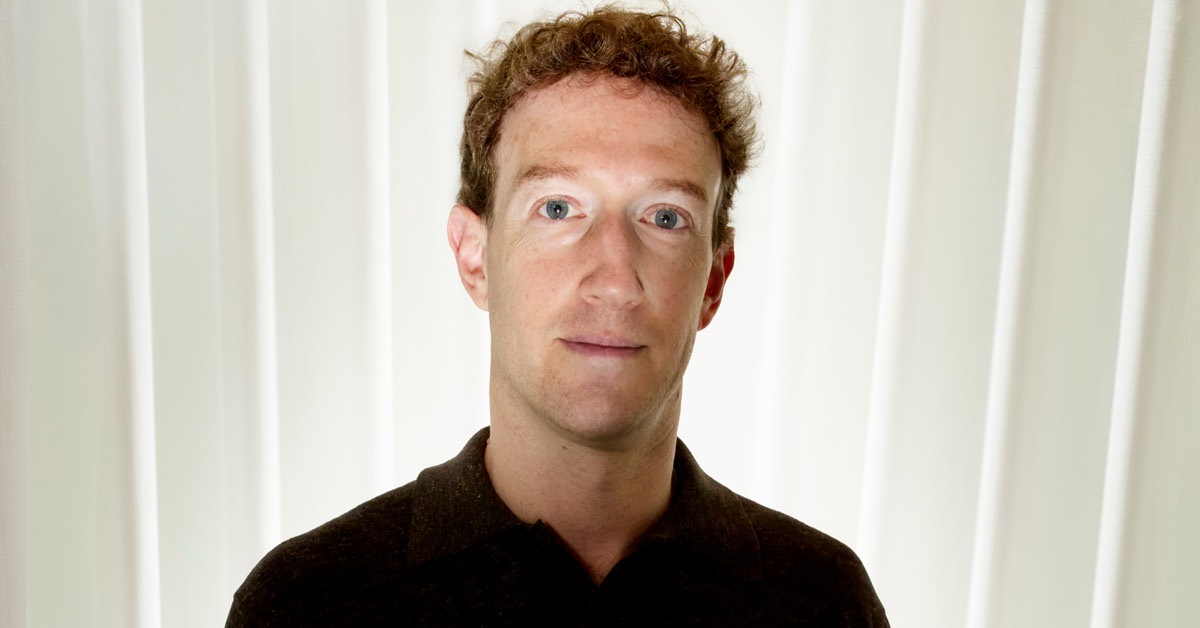
المنهجية. أُعدّ هذا الملخّص في 16 سبتمبر 2026 من نصّ مقال «Mark» لجيرمي ستيرن، المنشور في مجلة Colossus في سبتمبر 2026 بحسب بيانات الصفحة. حُمّلت صفحة المقال واستُخرج نصّها كاملاً (169 فقرة، نحو 14,900 كلمة)، ورُسمت خريطة لبنيته قبل الكتابة. وأرقام الفقرات [¶N] من وضعنا بترتيب المقال، لا من المصدر. وكلّ رقم في المتن قولُ المقال لا قياسٌ منّا، والآراء التقييمية منسوبة إلى ستيرن أو إلى من نقل عنهم لا إلينا. واختُصر ما فوق هذه المنهجية في حدود خمس وعشرين دقيقة قراءة (سقف 4,500 كلمة عربية، المادة 5.8) بالحذف لا بالتحوير: سقطت مشاهد ثانوية وتفاصيل، وبقيت الأطروحتان والأرقام والتحفّظات وترتيب المقال. الترجمة بالمعنى وفق المادة 3.4، بلا أي إضافة من خارج المصدر. وصورة الرأس بطاقة المعاينة الرسمية للمقال من موقع المجلة. النشر: رُفعت هذه الصفحة على shortitfor.me/zuckerberg بتاريخ 16 سبتمبر 2026، بناءً على أمر المالك النصّي الصريح لهذا الملف بعينه («لخص المقال في ٢٥ دقيقة قراءة وارفعه على المدونة») — وفق المادة 6 من دستور الملخصات (الإصدار 1.3: النشر من جلسة الملخصات هو الطريق المعتمد)، والصفحة موسومة noindex كما توجب المادة نفسها.
A summary of “Mark” by Jeremy Stern in Colossus magazine, a profile of Mark Zuckerberg: the “dictator’s dilemma” that makes the people around a man less able to level with him the more his power grows, an empire of 3.6 billion users ruled by someone who does not own the ground it stands on, and a bet of hundreds of billions on AI. Condensed at your request to a twenty-five-minute read.
1 · The parents: “This is my child”
Menlo Park — Ed and Karen Zuckerberg.
Jeremy Stern opens his article with a meeting with Mark Zuckerberg’s parents. Ed says he did not seem to be the bright one in the family: “If anyone I would guess our middle dawtah Donna was considered the ‘nerd’ or the smart one in the family,” then adds: “He just happened to be in the right place at the right time.” Karen gently corrects him: “I think people who have a passion are the luckiest people in the world” [¶4–7].
The Roman thread
He excelled at Latin and took to Virgil, and nearly a decade later he still recalled the Latin verse for Jupiter’s decree in the Aeneid: “For these I set no bounds in space or time; I have given empire without end” [¶17]. At Harvard, one of the first websites he built was a study tool for the course “Rome of Augustus.” At early crisis meetings at Facebook he would end his speeches with “Carthage must be destroyed,” and Friday all-hands meetings with his shout of “Domination!” — until Sean Parker, Facebook’s first president, warned him that this could one day be cited in an antitrust suit, and later observed in him “this kind of imperial tendency” [¶18]. He has mused in public about the “really harsh approach” Augustus employed before “establish[ing] 200 years of world peace”: “That didn’t come for free. He had to do certain things.” And at his company’s 2024 conference he wore a shirt reading “AUT ZUCK AUT NIHIL” — “Either a Caesar or nothing.” The names of his three children are Maxima, August, and Aurelia [¶19].
The question he came to ask
Stern asks: what is it like to be the parents of a man who, by 42, has secured a place in the books that will be written about his era for centuries after his death? [¶22] Ed answers that one of their most important roles now is keeping the grandchildren grounded, then adds: “He knows what people need and want, sometimes even before they know it. I mean, people call him arrogant—” Karen cuts in: “He’s not.” “—but time after time, his arrogance just turns into truth.” Then he ruminates: “You will experience it one day too, when your children eclipse you” [¶23–28]. Karen waits for her husband to finish, then turns to the writer with a tender but firm gaze: “I can tell you how it is for me as a mother. This is my child” [¶29].
“Things have been written and said about him that are so untrue from such an early age… I sometimes really wonder if anyone has ever sat back and thought, ‘This is a real person.’… It’s been really brutal. I mean, how would you feel if your child was subjected to that kind of scrutiny?”
2 · Suspended in midair
Lake Tahoe — the fighting studio at the summer residence.
“Mark Zuckerberg is suspended in midair,” Stern opens the scene. “He is not floating or sinking, nor is he ascending anywhere. He is being hoisted like a trophy” [¶42]. The man who hoisted him is Aden Valencia, the 149-pound NCAA Division I wrestling champion; he then delivers him back to earth — i.e., slams him to the floor. The others take only passing notice: Dave Camarillo, his mixed martial arts coach, and Merab Dvalishvili, the former UFC bantamweight champion and current No. 1 contender [¶44]. “It’s war over here!” Valencia says as he lifts his body off him [¶45]. And Zuckerberg, getting back to his feet, says: “I can’t process fast enough to understand what’s happening,” then asks him to explain how he did it [¶46].
Zuckerberg has spoken in public about his affinity for the “masculine energy” of fighting, as a counterbalance to a corporate world and an American society that are “neutered or emasculated.” After two decades in his famous uniform he appeared in 2024 with longer hair, a gold chain, and an interest in Brazilian jiu-jitsu, leading many to speculate that he had rebranded himself as a pillar of the manosphere. But in the fighting studio Stern sees a different reason for his giving up a lifelong habit of sleeping in, to hit people and get hit three mornings a week [¶48].
3 · The dictator’s dilemma
The article’s central argument.
For 23 years, the single fact dominating every moment of every room he has been in is that he is Mark Zuckerberg. It has been true even in his meetings with heads of state — including his own commanders in chief — to whom it must occur, as they try to squeeze and threaten and blame him for everything from electoral outcomes to ethnic cleansings, that one day they will be out of office and eventually dead, while Zuckerberg could in 50 years still be ruler of his empire — his control of the majority of Meta’s voting power makes his removal effectively impossible. And that empire today: 3.6 billion users, a market capitalization of $1.6 trillion, and over nearly a quarter century it has added a zero to its valuation roughly once every U.S. presidential term [¶49].
“It is not a normal situation for a human being to be in, let alone from the time they are 19,” Stern writes. “Three hundred thousand years of evolutionary biology do not furnish a man in this position with the keys to easily access other people or reality.” And though his life is statistically anomalous, the conundrum is ancient. Among the contemporary terms for it: epistemic isolation, the principal-agent problem, and the hierarchical MUM effect. The cleanest, as he sees it, is the “dictator’s dilemma”, which needn’t apply only to dictatorial regimes [¶50].
The idea is simple and intuitive: the more power a man acquires, the more his empire expands, the more he depends on other people for information about everything — from his own court to the furthest reaches of the empire. And yet through fear or awe or self-preservation, those people often become less willing to tell him what they think he doesn’t want to hear — leaving him increasingly insulated from reality even as the consequences of his decisions become larger, and as the barriers to believing one’s own bullshit fall away.
| They fell into it [¶52] | They guarded against it [¶53] |
|---|---|
| Spring 1941: there were no officers left with the courage to implore Stalin after he scoffed at intelligence that a German invasion was coming. | Lincoln installed himself in the War Department’s telegraph office in order to read field dispatches raw before subordinates could filter them. |
| Henry Ford ignored warnings that the Model T was dying, and middle managers at Nokia in 2007 downplayed the appearance of the iPhone, afraid of their superiors. | Augustus: called on senators at random to stifle premeditated remarks, periodically rotated his advisory council, and tolerated libel and jokes at his own expense. He instituted Rome’s first courier carriage system so that he could interrogate a direct source of information before anyone could corrupt it. He reigned for 40 years and died in his bed [¶54]. |
4 · How much of the truth reaches him?
According to nearly all the people the writer interviewed — three dozen of them — Zuckerberg is hyperaware of the dilemma’s potential, which is to say paranoid. He is an inveterate micromanager and a voracious consumer of data, and frequently engages the direct-reports of his direct-reports, aware that any chief’s inner circle is the most incentivized to act as courtiers. He is known for inviting outside experts to visit him and argue about his decisions — although he is not known for ever giving an inch. And he often accepts blame in public for the mistakes of others, perhaps because he accepts a reality his people accept too: he is the company, and the company is him [¶55].
“Yet a certain amount of slippage is perhaps inevitable,” Stern writes: M.M.H. — “Make Mark Happy” — was for a time the internal nickname for a project that subordinates thought was going down in flames but felt compelled to prop up, and which they encouraged each other to “fall in love with.” And reports are endless of engineers proposing algorithmic fixes to downrank garbage content, only to have them killed by superiors who predicted — likely accurately — that Zuckerberg would not be willing to sacrifice the expansion of his empire for its content quality [¶56].
None of which is unique to him: even the great statesmen find themselves surrounded by people who in the end remain governed by fear or by awe, by the expectation of reward, or by rational recognition that there is only one man who cannot be liquidated. Augustus himself earned the censure of Seneca: “It is one of the habits of kings to insult their present servants by praising those whom they have lost, and to attribute the virtue of truthful speaking to those from whom there is no further risk of hearing it” [¶57].
And Stern sees a more banal reason that might explain why he stays stuck despite his efforts — and might also explain the increasingly central role that fighting has come to play in his life: much of his inner circle has been with him for over 15 years. Some were around in 2006, when nearly all of the management team quit after Zuckerberg — then 22 — rejected their pleas to take Yahoo!’s offer to buy the company for $1 billion, forever establishing a central tenet of the company’s culture: “In the face of opposition, Zuckerberg is right.” And many of them owe him a life they never dreamed of — they may simply be too grateful to attempt to play the role of rescuing him from the isolation of his position [¶58–59].
5 · “You get punched in the face”
The scene returns to the mat. After a round, Zuckerberg asks Dvalishvili: “How’d you do that kick where it feels like you’re also digging your toes into my chest?” Dvalishvili signals for him to get back into a fighting stance to be shown — then cracks him in the same spot so hard that it knocks his wind out. Zuckerberg tries to keep a smile and wave people off, but sits down and rocks back and forth [¶62].
“I think we all have a void in our lives, and the lucky ones find something that fills that space to make us more optimal, to make us a better human being. Mark filled the void with fighting. I think he does like the element of danger. If you go left when you should have went right, you get punched in the face. But I think he’s also got that feeling with us now… that he’s just one of the guys.”
6 · A week in the pillory
On a flight into Newark the writer reads an internal note Zuckerberg had circulated to Meta’s roughly 70,000 employees, attempting to address morale in the wake of layoffs. Within hours the note had been leaked, and Wired ran with the title: “‘Tell Him He’s a Piece of Shit’: Meta’s New AI Unit Is a Total Mess,” quoting an employee who described the Applied AI unit as “literally the gulag” [¶70–71]. It came in the midst of one of the company’s eternally recurring stints in the pillory [¶72]:
- Two jury rulings that Meta apps had knowingly or negligently harmed young users, along with thousands of related pending cases — including one in which four states sought penalties potentially equivalent to the company’s entire market cap. In August, Meta settled with 51 jurisdictions for up to $17.1 billion, admitting no wrongdoing.
7 · An emperor who does not hold his ground
Here is the article’s second thesis: Zuckerberg is sovereign within his court — immune to control by shareholders or his board — but he does not actually hold the empire’s territory. He held it only once, back when Facebook was a desktop site on the open web. When the smartphone appeared he lost his ground and never gained it back. And the early trauma — that he nearly missed the switch to mobile — has never left him. Although the Facebook app’s conquest of mobile more or less made Apple’s App Store, the App Store in turn made Facebook. And Zuckerberg does not like being made [¶81].
Apple charges a toll on digital goods sold within Meta’s apps, collects a tax on its core advertising product, and every update must pass its App Review — which has a history of being arbitrary and capricious. In 2021 came App Tracking Transparency (ATT), which Apple positioned contra Zuckerberg as a protection of user privacy, and which crippled the tracking machinery of every mobile ad business that depended on cross-app data — except its own — costing Meta roughly $10 billion in the first year alone. Ben Thompson describes it as “one of the worst antitrust violations in the history of technology” [¶82].
From here the writer reads his puzzling ventures — a Facebook Phone, Facebook Home, Free Basics, the Libra and then Diem currency, and the purchase of Oculus VR — as tunnels he dug to escape the prison of Apple and his competitors and regain his territory. Each of them collapsed, to varying degrees [¶83–84]. He tells Jensen Huang in 2024: “There have just been too many things that I’ve tried to build and then have just been told, ‘Nah, you can’t really build that,’ by the platform provider. At some level, I’m just like, ‘Nah. Fuck that.’” [¶85]
And yet, from inside those fetters: by age 30 he had networked billions of human beings in real time. By 32 he had built the most unstoppable entertainment and advertising business in history. By 42 his products are used by one out of every 2.3 people currently breathing — more than the total number of humans that existed in 1965. Annual revenue runs well above $200 billion, and this year’s capital expenditure will exceed the military budget of every country on Earth save the U.S., China, and Russia. Facebook, Instagram, and WhatsApp each have more monthly active users than the number of living adherents to Christianity [¶86]. Stern contrasts him with his peers, who abdicate or sell or are overthrown: “It is the Portuguese model of empire: After winning half the world, you return home.” Not for him [¶87].
8 · The glasses: “Your prison is not my apps”
The Hey Meta: AI Glasses Showcase at the Terminal Warehouse on the Hudson River.
Zuckerberg sees the glasses as the vindication of a bet dating back to 2014, when he acquired Oculus for $2 billion — the division that convinced him to rename the whole company to Meta by 2021, and which to date has burned through approximately $90 billion. The Metaverse as such was a collapsed tunnel, but he is convinced the glasses are one of the payoffs: they are “the ideal form factor” for an AI that can “see what you see, hear what you hear, talk to you throughout the day.” He offers the example of wearing them while baking with his daughter, when the glasses — without being asked — told him he was botching the recipe [¶90]. The Display model has a screen embedded in the right lens that bends light into one eye only, so the user can glance at text messages, directions, or real-time translation captions [¶91]. The writer counts that he mentioned “empowering” individuals six times in a 45-minute interview, without appearing to anticipate that they will soon come to be known among skeptics as “pervert glasses” [¶92].
“You kind of have this trajectory over time, where computing gets to be more natural and more integrated in our lives. And glasses just give you the opportunity to interact with technology but remain present with the people around you, which I think is a really fundamentally important thing that obviously phones don’t do. When you interact with your phone, you’re kind of interacting with this small rectangle. It pulls you away from the world around you.”
Stern reads this logic as “a brilliant if puckish bit of logic”: that glowing rectangle you spend your life craning at in vacant prayer? Perhaps that is what’s making you and your children anxious and depressed. Your prison is not my apps; it is your phone, which is my prison, too. Zuckerberg adds that they are “great glasses first… the technology is secondary,” and that “there are almost two billion people in the world who wear optical glasses already, and billions more wear sunglasses” [¶94]. The interview concludes with a question about why he, the planet’s sixth richest person, doesn’t just stop: he says Priscilla asks him that a lot, but that he isn’t wired to stop — then digresses into cattle genetics, which he has studied for his ranch in Hawaii, and returns: “I’m never going to stop. I can get obsessive.” [¶95]
9 · Four times he was pronounced dead
| Period | Why he was said to be finished [¶99] | What had happened by the end of it [¶100] |
|---|---|---|
| 2012 | The mobile crisis following the IPO: an overvalued website whose audience had moved to a platform it couldn’t monetize, and he was “in over his hoodie,” too immature to run a public company. | By the end of 2013 he had built one of the two most profitable mobile ad businesses in the world. |
| 2013–2017 | The mass exodus of teens to Tumblr and then Snapchat, leaving Facebook to die as “the next MySpace,” and mockery of him for overpaying in a panic for Instagram and WhatsApp. | By the end of 2017 he had crushed Snapchat by copying its killer innovation with Instagram Stories. |
| 2017–2020 | Facebook “broke democracy,” the Federal Trade Commission sued it for allegedly maintaining an illegal monopoly, and the company suffered what was then the biggest one-day loss in market history: $120 billion. | By the end of 2020 the widely predicted death was revealed as a fantasy: daily active users had only grown during each quarter of scandal, advertisers never left, and it paid a $5 billion privacy settlement. |
| 2022–2025 | Users decamped for the algorithmically superior TikTok, ATT threatened to obliterate his mobile ad business, and tens of billions were lit on fire in the Metaverse. | By the end of 2025 he had survived TikTok by cloning it with Reels, circumvented ATT by rebuilding ad targeting with large AI models, beaten the attempt to break up the company (which has been appealed), and saved cash by weathering mass layoffs. |
10 · The bet: eleven weeks of regime change
Prior to 2024 Zuckerberg had been hovering around the frontier of AI for over a decade: the FAIR lab that Yann LeCun founded for him in 2013, then Llama 3.1, open-weight, downloaded over a billion times by March 2025 — the Linux of AI, as he put it in a manifesto [¶103–104]. Then it seemed, to him at least, to collapse. The release of Llama 4 in April 2025 was met with mockery as an overhyped and underperforming model that gamed the benchmarks. Stern notes that such things are manic-depressive by nature — every major AI lab but one is “behind” the frontier at all times, and which lab is “winning” changes every three-to-six months — so the release was a large but reversible setback, not a catastrophe [¶105]. The problem was that it had become clear to him that in AI there are compounding advantages to a track record of winning, meaning “not currently winning” is in any particular quarter a potentially irreversible catastrophe — labs use their most recent model to train the next one, and his wasn’t good enough. It seemed to him that AI was not just one of many potential tunnels; it was an event horizon: if he missed it the way he nearly missed mobile and TikTok, his empire might slowly, if very slowly, go to nothingness [¶106].
In his first board meeting afterward he announced a plan of regime change. Stern says the 11 weeks that followed demonstrated the sheer power of his position as the undeposable head of a galactically resource-rich empire [¶107]:
- He subsumed FAIR into a new organization, Meta Superintelligence Labs (MSL), and reset the market on compensation for top AI researchers to hundreds of millions or billions of dollars per head.
- He paid $14.3 billion for a stake in Scale AI, and installed its founder Alexandr Wang as Meta’s head of AI.
- He cut hundreds of employees from the older organizations, and LeCun soon left.
By April 2026 MSL released its first closed-weight model, Muse Spark, and deployed it through Facebook, Instagram, WhatsApp, and the Meta AI app that powers the glasses — greeted as a cautious return, but not yet to the frontier [¶108]. Stern records a surfeit of predictions that this would at last be the end of him, then sets his detractors’ two contradictory arguments side by side: “He doesn’t understand that AI will not commoditize, and that because Meta has never had the best model, it therefore never will. He doesn’t understand that AI will commoditize, and therefore will be like the First World War, in which he will expend untold treasure and blood without ever gaining an advantage.” Which comes to: heads, his rivals win; tails, he loses [¶109]. From that vantagepoint it doesn’t matter that since June Muse Spark has overtaken Gemini, vaulting Meta back to the frontier pack, nor that he is spending up to $145 billion this year — including four data centers of a gigawatt or more [¶110].
The strongest form of the opposite case
AI is not, in fact, God. Instead, it does math and solves a limited set of problems humans face, and is otherwise simply useful and cool. Anthropic — and to a lesser extent OpenAI — have trouble accepting this fact. Zuckerberg does not: he has not spent a decade comparing his company to the Manhattan Project, and thus he is not above pushing the frontier of AI to help people book airline tickets, make dinner reservations, and edit photos. He will use it to drive down the cost of serving his users to zero and to drive up his revenue by improving ads, and he will use cash from the ad business — and his ownership of data centers and chips that Anthropic and OpenAI have to pay to rent — to undercut them on price. The potential install base for his AI is 3.6 billion people, who don’t care whether a given model is six months behind the frontier.
11 · The movie and the curse: why is he the scapegoat?
When The Social Network came out in 2010, Facebook’s employees rented a theater to watch it with Zuckerberg, who was overwhelmed and afraid; he was 26, and what was worse, the reviews were really good. He still refers to it as “that stupid movie”; its central conceit is that he started Facebook not because he “loves building things,” but out of class resentment, social exclusion, and romantic rejection. In real life there was no Erica Albright; by the time he started Facebook in 2004 he was already dating Priscilla Chan, whom he married. The WASP clubs did not reject him because he never tried to join one; he was a popular member of Alpha Epsilon Pi, the Jewish fraternity. According to the available evidence, he built it because he was in the habit of serially building new websites and social networks, and clearly had no idea where this one was going [¶121–123].
Cambridge Analytica: “almost entirely bullshit”
Stern holds that the apogee of what he calls “Zuckerberg Derangement Syndrome” was the Cambridge Analytica scandal — the story still remembered by millions of people as perhaps the founding crime of the digital era, despite the fact that it was almost entirely bullshit [¶129]. A Cambridge academic called Aleksandr Kogan gathered data through a personality quiz taken by fewer than 300,000 users, via the same API the Obama campaign used in 2012 and which had been an open feature on the platform for years; by handing the data over he violated Facebook’s terms. But the data itself was mainly dross: names, birthdays, current cities, and page likes, which together produced a “psychographic weapon” that ended up predicting voter behavior more poorly than the Republican National Committee’s voter file. The definitive investigation — the largest ever undertaken by a data-protection authority — was concluded by the British Information Commissioner’s Office in October 2020 after it raided the firm’s offices and examined its servers, and found that its data had been mostly commercially available and primarily used as a fabulist marketing device, and that it had not actually been used in the Brexit referendum. At that point — one month before the 2020 US election — the scandal disappeared from the American news media too [¶130].
But: his own sins
The writer cuts off the exculpatory reading: “None of which is to say that Zuckerberg has not committed his own unforgivable sins.” Early on he took information users designated as private and made it public without warning or consent; and shared user data with advertisers after claiming he didn’t. The youthful glee he took in destroying the business models of legacy news media showed little appreciation for the consequences of such a dramatic social revolution. Facebook entered markets — like Myanmar — where both users and the company were completely unprepared. He demeaned himself when he tried for years to break back into the Chinese market: staging a copy of Xi Jinping’s book on his desk, having himself photographed jogging through Tiananmen Square, and reportedly asking the Chinese president to name his unborn child (which Facebook denied). Under pressure from employees and officials after 2016 he made a political sacrifice out of Oculus founder Palmer Luckey, and for a time betrayed his own foundational commitment to free speech. And much of the content on Facebook and Instagram really is addictive slop, while he often refuses to acknowledge that the time a user spends there is not by definition a reflection of the “value” they derive from it [¶131–132].
Yet perhaps it is that simple, intolerable fact — that new technologies are always being invented; what remains broken is us — which requires a scapegoat. And who could ask for a better one? He is seen at once as shrewd and naive, calculating and lucky, too powerful and too craven… He is, in one man, the personification of responsibility for alt-right populism; leftwing authoritarianism; the death of journalism; polarization; political propaganda; political censorship; the dangers of free speech; human rights violations; teenage depression; body dysmorphia; and male loneliness. He is an emperor for life. He is, in a word, an easy mark.
12 · The interview: “I don’t need that”
Palo Alto — his living room.
Zuckerberg enters through the back door and sits on the edge of his seat with a poker-straight back. The writer describes him as quite different in person than he is on camera: he is red-green colorblind — blue is the color he sees best, hence the one he chose for Facebook. Less awkward than expected, but harder to follow; energetic and kind and emotionally carapaced. When goaded into reflection he appears to try earnestly to turn off his company brain — yet he can’t, quite: you can almost see him turning words over in his mind to make sure they will also work for his corporate mission, or that they won’t let down his people by embarrassing them [¶141].
He explains why he stopped trying to fix his public image: “Early on, whenever I [communicated in public], people were like, oh, you’re super robotic or whatever… Then I got really insecure about it… But [acting as a public figure] was either a no positive feedback or even a negative feedback cycle for me. So whatever, I’m just going to keep my head down” [¶142]. He attributes this to the structure of his company: because it was profitable early and has always been under his complete control, he could afford his instinct to tune out external criticism and focus instead on “this pretty deep need I have for internal cohesion”: “My main tool in the world is sitting down, building a team, and methodically improving something over a long period of time. It’s not a very sexy process. But because of that architecture, I don’t need to raise money, I don’t have to convince a lot of [other] people along the way” [¶143].
Asked about the tsunami of hatred that crested in 2016, he draws four concentric circles: ① a larger animosity toward Silicon Valley and tech billionaires — fair game, he says, for questions about giving back to society more than they take. ② the refusal of elite political coalitions to look inward after losses. ③ the inherent nature of social media, which by definition invites questions about privacy and sharing information in public. ④ what he wishes he’d handled differently [¶147] — of which he says: “I think the reality is that this was more of a political issue than it was a corporate issue, and the physics of it were different. The more we took responsibility, the more people felt like, ‘Oh, we can just blame them for stuff and they’ll accept the blame.’ I think over time, we just sort of realized that no, we actually just need to fight back on this” [¶148].
“I think in some ways, he was seen as sort of brutal. But to me, the most important contribution he made was basically teaching society that you didn’t have to always be at war. Before Augustus, the definition of peace was the temporary period of time during which your enemies were subdued before you had to defeat them again… he had to rewire the economy to, instead of having this massive standing army, to convince people that they could build things, and that having this trade-based economy rather than a pillage-based economy was going to be a positive-sum thing. And it worked to some degree.”
He then qualifies — with what the writer calls “due understatement” — “They did also need to keep on expanding the empire”; Augustus having also established peace through a monopoly on force and an end to political liberty. He adds: “It’s partially why the Augustus thing resonates with me a lot. It’s this evolution where you’re not physically endangering people. There’s this set of rights that everyone has, but you can have this intellectual sparring and debate that pushes the world forward… where the people are not literally going to war and killing each other.” And he concludes: “It seems like that would have just been an obvious thing that people understood all along. But no, it wasn’t. It kind of took this act of leadership and courage, someone who everyone thought was probably wrong. But he was like, no. We should do this.” [¶153–154]
13 · The Shabbat dinner: “He wouldn’t be him if he stopped”
On his last visit to Tahoe the writer carries two very large trays of salmon Priscilla Chan has baked for a 16-person dinner. On the buffet table are Shabbat candles, a kiddush cup, and a braided loaf of challah bread. They light the candles and say the prayers, then eat lazily. For most of dinner one of his daughters paces around the grass while reading a paperback; she’s promised herself that she will finish it by nightfall and doesn’t wish to be distracted by food [¶155–156]. The writer steals a glance at Zuckerberg, who is relaxed and smiles easily: “unlike elsewhere, it is not the face of a man shackled or stranded in any ultimate sense” [¶157].
Then Chan calls him over with a laptop and shows him her daughter’s Google Docs and Replit accounts: “She’s quite limited, because Mom doesn’t let her build things that are open to the internet. Like, she wanted to build a dating site. That was a no” [¶158]. In them are a novel, a blog, a podcast, an audiobook library, a game, and several apps she’s vibecoded, and business plans for how to market and sell these things [¶159]. The writer asks: does Mark have them build stuff on computers? “Not really. He didn’t tell her to do any of this.” Is she trying to be like dad? “No. It’s been all on her own.” It’s very cute, he says — but so why are you showing me this? [¶160–164]
“I’ve known Mark for 23 years. Around year 18 or 19, I said to him, ‘Aren’t we tired? Can we be done? I’m tired. You’re tired. It’s been a hard run… Let’s call it. There have to be other chapters in our life.’”
“And he said no. He said, ‘No, this is who I am. I love this. I didn’t set out to build a company. I just love building things. I love being at Meta, because I still get to create things.’”
“Until she got a little older, I didn’t understand it,” she says, tapping the laptop. “Now I see her. She just has a desire to build things that is innate, that we didn’t teach her. It just came. If I tried to take this stuff away from her, it would be like cutting off her arm.”
“It wasn’t until then that I realized: Oh my God. It’s Mark. After 23 years, I get it now. You can’t take this away from him. He wouldn’t be him if he stopped.”
Methodology. This summary was prepared on 16 September 2026 from the text of “Mark” by Jeremy Stern, published in Colossus magazine in September 2026 according to the page’s own data. The article page was downloaded and its text extracted in full (169 paragraphs, about 14,900 words), and a map of its structure was drawn before writing. The paragraph numbers [¶N] are ours, in the order of the article, not the source’s. Every number in the text is the article’s claim, not a measurement of ours; evaluative opinions are attributed to Stern or to the people he quotes, not to us. Everything above this methodology was condensed to a twenty-five-minute read (a ceiling of 4,500 Arabic words, Article 5.8) by deletion, not distortion: secondary scenes and details were dropped, and the two theses, the numbers, the caveats, and the article’s order were kept. Translated for meaning under Article 3.4, with no addition from outside the source. The header image is the article’s official preview card from the magazine’s site. Publication: this page was published at shortitfor.me/zuckerberg on 16 September 2026, on the owner's explicit written order for this specific file (“Summarize the article into a 25-minute read and upload it to the blog”) — under Article 6 of the Summaries Constitution, and the page remains marked noindex as that same article requires.