إن لم تشاهد هذا العام إلا فيديو واحداً عن المال — سانديب سواديا
خلاصة فيديو «If You Only Watch One Money Video This Year Make It This One» لسانديب سواديا (Sandeep Swadia): إطاره الذي يسمّيه 4S لإنفاق الدولار التالي حيث يصنع أكبر قيمة إضافية، في الطاقة والمهارات والأمان والروح.
 ▶ شاهد الفيديو الأصلي
الأوقات بين معقوفين مثل [4:11] تشير إلى موضع الكلام في الفيديو بالدقائق والثواني، لمن أراد أن يتحقّق منه.
الخلاصة في دقيقة
إن لم تقرأ غير هذا القسم
أسهل خطأ حين يزيد دخلك، عند سانديب سواديا، أن ترقّي الأشياء الخطأ فتنفق لأنك تقدر على الإنفاق [0:00]. ولدولارك التالي عنده أربع وظائف ممكنة تستحقّ الترقية فوراً، آخرها أسوؤها عائداً مالياً وأهمّها [0:21]. ويسمّيها إطار 4S، وقد جمعها في بطاقة الختام [17:51]:
| الوظيفة | ما يندرج تحتها |
|---|---|
| الطاقة (Stamina) | عادات النوم، وعادات التمرين، ومشتريات عنق الزجاجة |
| المهارات (Skills) | المهارات الأساسية، والمرشدون |
| الأمان (Security) | صندوق الطوارئ، وصندوق باتنا (BATNA)، والمختصّون الماليون |
| الروح (Soul) | لنفسك، ولمن تحبّهم، وللآخرين |
1 · يمكن للمال أن يشتري السعادة، لكن ليس كما نظنّ
لماذا يقلّ أثر كلّ دولار إضافي، وأين يصنع الدولار التالي أكبر قيمة — [0:21 – 3:13]
أشار عالم النفس الحائز جائزة نوبل دانيال كانمان (Daniel Kahneman) عام 2010 إلى أن للسعادة سقفاً: فبحسب بحثه، لا يبدو أن مزيداً من المال يحسّن الرفاه العاطفي اليومي بعد دخل 75,000 دولار في السنة [0:44].
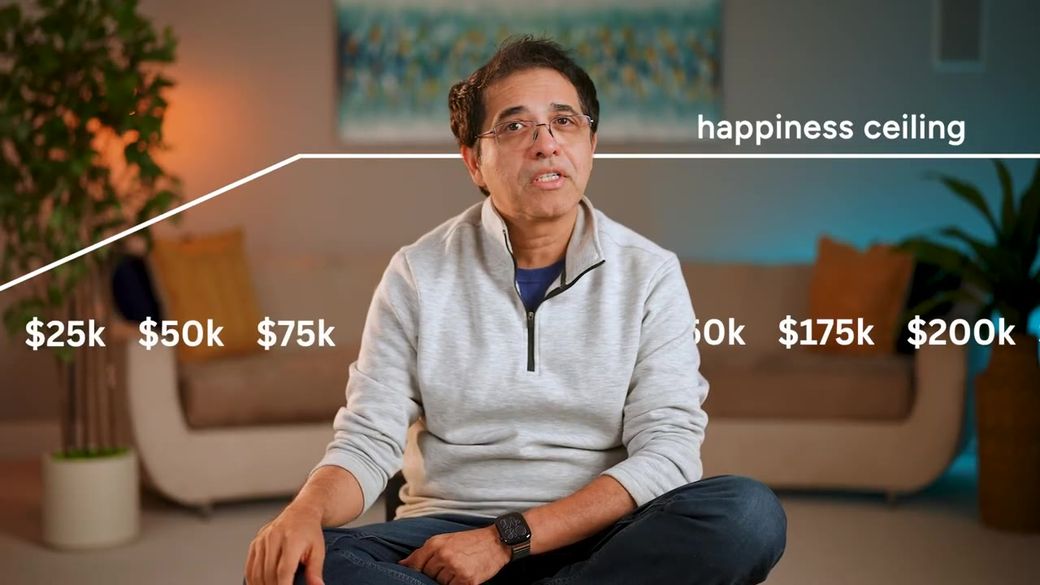
ويقول سواديا إننا أسأنا قراءة هذا الرقم: ففي 2023 خلص كانمان مع باحث آخر، هو كيلينغزورث (Killingsworth) بحسب بطاقة على الشاشة، إلى أن مزيداً من المال يظلّ يحسّن الحياة عند أكثر الناس [1:05].
لكن العلاقة ليست خطاً مستقيماً: فالدفعة التي تنالها سعادتك مثلاً حين يرتفع دخلك من 40,000 إلى 80,000 دولار لا تتكرّر إلا من 80,000 إلى 160,000، ثم من 160,000 إلى 320,000؛ ويبدو أن المال يتصرّف مثل أيّ مخدّر [1:27].
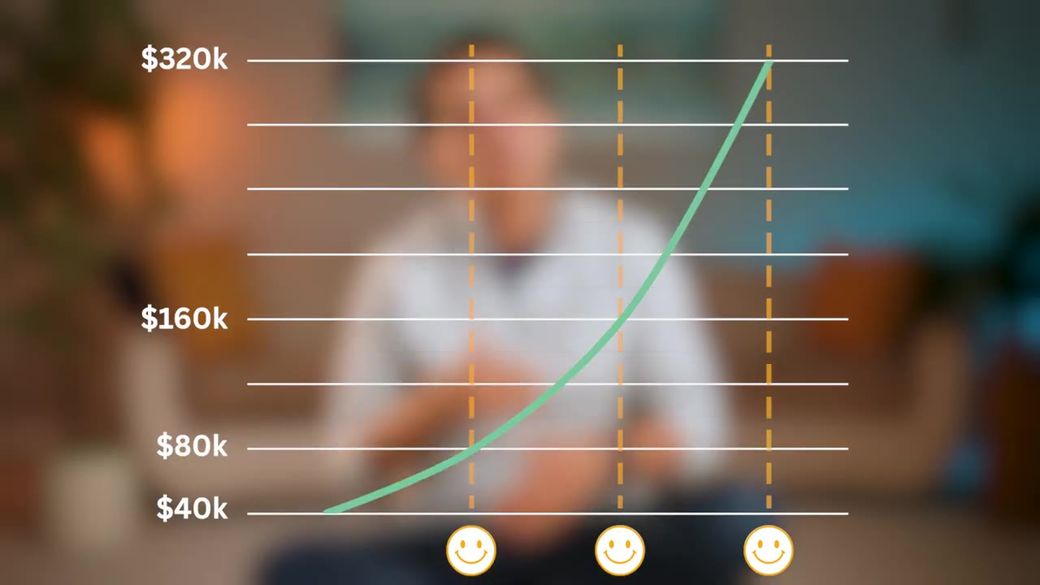
ويُسمّى هذا في الاقتصاد تناقص المنفعة الحدّية (diminishing marginal utility): على الدولار التالي أن يعمل أكثر من سابقه لأن قيمته عندك أقلّ، كما لن يمتعك مخروط المثلّجات الخامس كما أمتعك الأول [1:47].
فالثراء والحياة الغنيّة بالمعنى شيئان مختلفان تماماً، ومن ارتفعت ثروته وانخفض تقديره لنفسه فهو غنيٌّ على الورق فقط [2:09]. وما يريد سواديا أن يبحثه: أين يصنع دولاري التالي أكبر قيمة إضافية؟ وهل يستطيع أن يستردّ صحتي ووقتي وانتباهي، أو يزيد قدرتي على الكسب، أو يُغني علاقاتي وتجاربي وحياتي الفعلية [2:32]؟
2 · الطاقة: طوّر الآلة التي تكسب المال
الوظيفة الأولى، وتحتها ثلاثة مبادئ — [3:13 – 6:39]
المبدأ الأول: أنفق على ما يحسّن جودة قراراتك
يرى سواديا أن أكثر من يعملون بجدّ يذهبون إلى عملهم كأنهم ثملون تماماً دون أن يعلموا. وفي إحدى دراسات النوم البارزة في أستراليا، صار أداء من أُبقوا مستيقظين طوال الليل، في سرعة الاستجابة وتناسق الحركة، سيئاً كأداء من شربوا الكحول، وساء كلما طال السهر [3:13]. ونجاحنا يتوقّف على قرارات سليمة يصنعها الدماغ، ثم يقول:
«قبل أن تطوّر ما تملكه، طوّر الآلة التي تكسبه»
ويضيف أن الإنفاق في هذه الفئة يُظهر الأثر السلبي في كلّ ما يأتي بعده (هكذا ورد في التفريغ الآلي). وأهمّ ترقية فيها عادات النوم، مع اعترافه بأنه ليس جيداً فيها [4:11]. وحين كان يستيقظ بألم شديد في ظهره، أمضى أياماً يبحث عن الفراش والوسائد المناسبة ولم يقتّر فيها، إذ تقضي ثلث عمرك في السرير، وهذا الثلث يحدّد جودة الثلثين الباقيين [4:29].
المبدأ الثاني: أنفق حين يجعل المالُ السلوكَ الصحيح أسهل
وهو قريب من الأول: تستطيع أن تشتري عادة جيدة حين تعرف أنك لن تبنيها وحدك. فإن لم تجد وقتاً للتمرين، وسواديا نفسه كذلك، فلعلّك تُلزم نفسك بأن تدفع أكثر لنادٍ ممتاز يرجح أن تذهب إليه، فإن لم ينفع، فلعلّك تستأجر مدرّباً يأتي إليك ولو لم تُرِد أنت [5:05].
المبدأ الثالث: أنفق على عنق الزجاجة
لاحظ سواديا أنه يعمل اليوم كلّه جالساً على الكراسي والأرائك، فاشترى مكتباً للعمل وقوفاً [5:54]. ويشرح الفيديو ذلك برسم قمع:
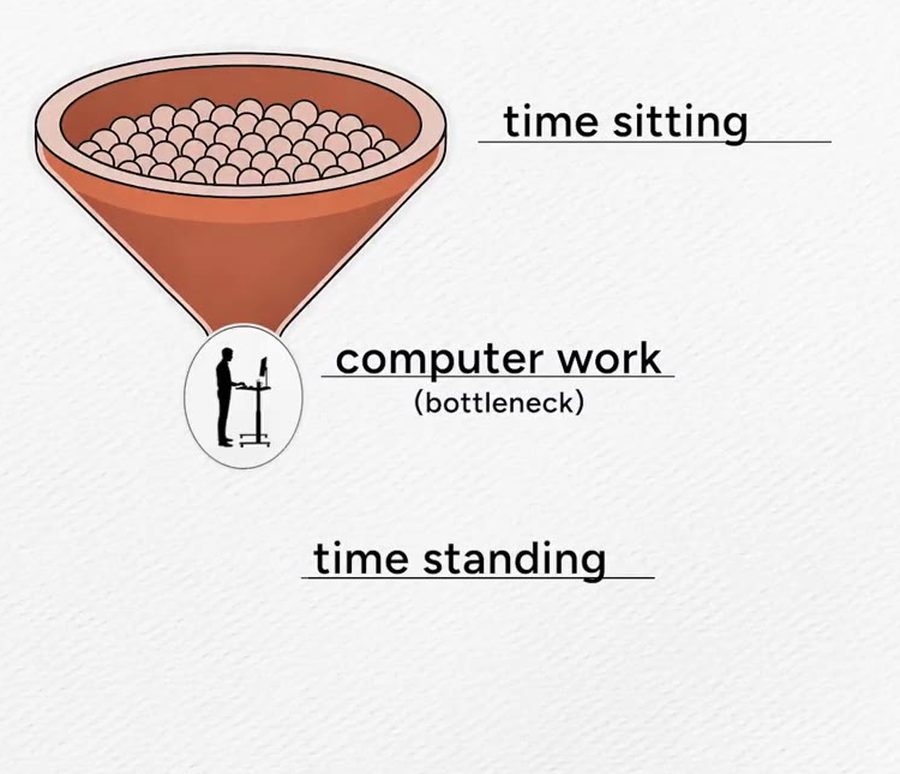
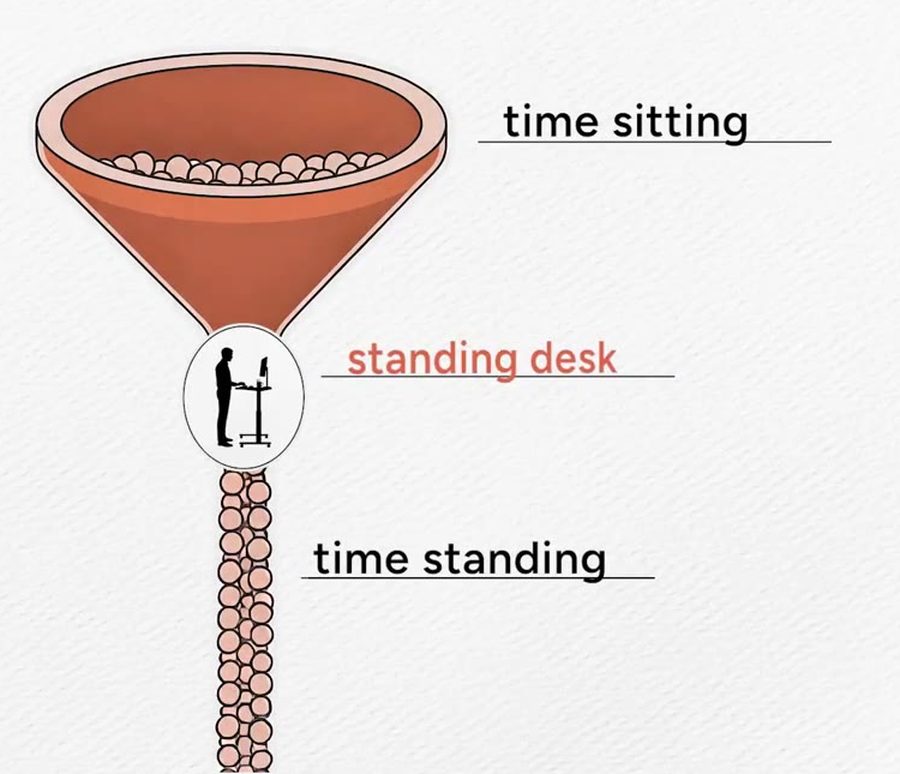
ومثاله الثاني: الغرفة الفوضوية لا تزعجه، لكنه لا يستطيع العمل مع الضجيج أو الموسيقى، فاشترى سماعات ممتازة عازلة للضجيج، أغلى من سماعات آبل، لكنّ ذلك الصمت كان عنده لا يُقدَّر بثمن [5:54]. وأكثر الناس يرقّون بالمال نمط حياتهم، والأفضل في رأيه أن ترقّي قدرتك على أن تعيش حياتك وتستمتع بها [6:16].
3 · المهارات: لا ترقِّ نمط حياتك، بل مهارات حياتك
الوظيفة الثانية، ومثالها قصّة سواديا في دخول وول ستريت — [6:39 – 9:55]
كان مرشد سواديا يكرّر: إن أردت أن تكسب أكثر، فلا ترقِّ نمط حياتك، بل مهارات حياتك [6:39]. وقصّته مثال: حين أراد الانتقال من التقنية إلى وول ستريت (Wall Street) غير واثق من معرفته بالتمويل، درس لشهادة CFA وعلّم نفسه نماذج التقييم والقوائم المالية زمناً طويلاً [6:39]، ثم أقرّ في مقابلاته مع ثلاثة مصارف كبيرة بقلّة خبرته، وعرض أن يسلّم مهمة نمذجة مالية صعبة في ثلاثة أيام أو أربعة. لم يكن عبقرياً، كما يقول، بل تدرّب مراراً. ثم أعانته المصرفية الاستثمارية على فهم الشركات فهماً كلّياً، فبلغ الرئاسة التنفيذية ثم مجالس الإدارة [7:38].
المبدأ: استثمر في مهارات أساسية تعود عليك بمنافع متكرّرة
ومن أمثلتها أساسيات المال، والتواصل، والتفاوض، وإدارة الوقت. وأفضل المهارات تظلّ تدفع لك إلى الأبد لا مرة واحدة، فأنفق مالك على ترقيتها [8:38]. ويرى أن أكبر ما سيميّزك مستقبلاً قدرتك الدائمة على تعلّم مهارات جديدة، لأن الذكاء الاصطناعي سيظلّ يجعل كثيراً من مهاراتك الحالية سلعةً شائعة، فعليك أن تواصل التطوّر والتكيّف [8:54].
والسؤال المهم الذي يمكنك أن تطرحه كلّ شهر: أيّ فجوة في مهاراتي تكلّفني الآن أكثر من غيرها؟ فهناك ينبغي أن يُستثمر مالك. وكلّ ستة أشهر، ضع ميزانية للتعلّم بالمال والوقت: دورات عبر الإنترنت، أو مدرسة مسائية، أو مرشدون [9:12].
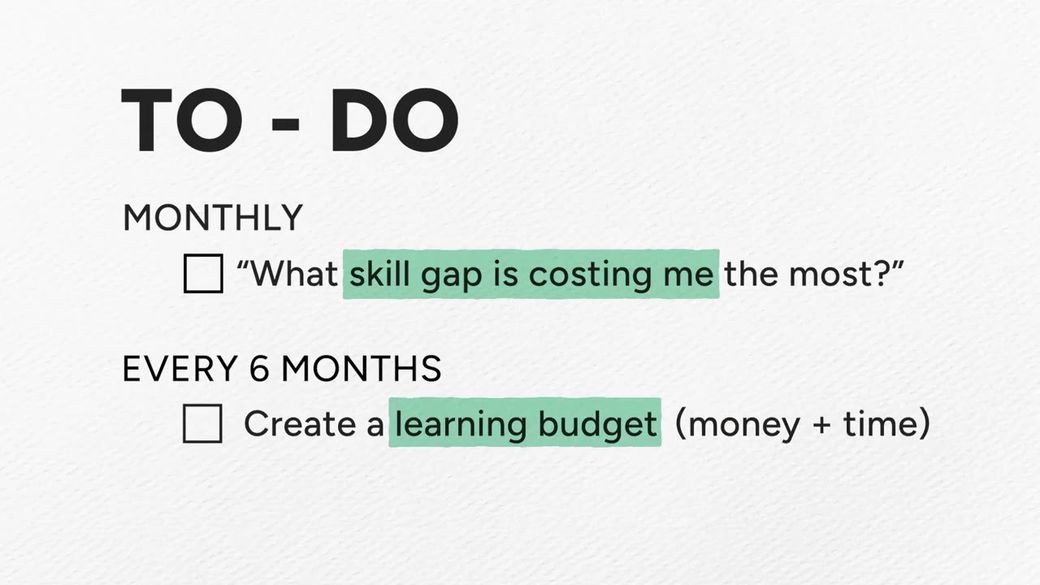
والمرشدون من أفضل ترقيات حياته: حين صار رئيساً تنفيذياً وجد مرشداً تقاعد بعد أن بنى شركة قيمتها 60 مليار دولار، ومنحته محادثة واحدة معه رؤى ما كان ليبلغها وحده إلا بعد سنوات [9:35]. وأفضل ما تشتريه، كما يقول، شيء لا ينتزعه منك أحد [9:55].
4 · الأمان: الثروة تُبنى غالباً برهانات ذكية وتُحفظ بتحوّطات ذكية
الوظيفة الثالثة، وفيها ثلاثة مخاطر يدعو إلى التحوّط منها — [9:55 – 14:24]
يرى سواديا أن أخطاءك تغلو كلما زاد ثراؤك، وأن كسب المال والحفاظ عليه يحتاجان مهارات مختلفة تماماً [9:55]. ويذكر صندوق التحوّط آركيغوس (Archegos) عام 2021: محفظة بعشرات المليارات بدت ناجحة نجاحاً مذهلاً، لكن معظمها مموّل بالاقتراض، وهذا ما يُسمّى الرافعة المالية (leverage) [10:16]. فلمّا هبطت بضعة أسهم فيه عجز عن تلبية طلبات تغطية الهامش (margin calls)، وسارعت المصارف إلى بيع الضمانات، وانهار كلّه في أيام، وخسر كريدي سويس (Credit Suisse) 5.5 مليار دولار ولم يتعافَ [10:40].
المبدأ: الثروة تُبنى غالباً برهانات كبيرة ذكية، لكنها تُحفظ بتحوّطات ذكية
ثم يروي أنه هرب من بيته مراهقاً وعاش مشرّداً فترة، ويعرف كيف يكون الصفر، ولعلّه لهذا يسأل دائماً منذ صنع لنفسه مسافة مالية عنه [11:01]:
«ما الذي قد يعيدني إلى هناك؟»
ويقول إن عليك التحوّط من ثلاثة مخاطر رئيسية.
الخطر الأول: التركّز
امتلك سواديا حصة كبيرة في سهم صعد من 19 دولاراً إلى 140، ولم يأخذ بنصيحة مستشاره بالتحوّط لشدّة تفاؤله، ثم جاء الهبوط سريعاً عنيفاً بلا وقت للتعافي [11:43]. فمتى صارت لديك مدّخرات حقيقية، فرقِّها بالتنويع والتحوّط، واحتفظ بصندوق طوارئ كافٍ كي لا يجبرك انهيار السوق أو فقدان العمل أو سنة سيئة على مخاطرة أكبر؛ وهذه الدولارات الإضافية ينبغي أن تشتري لك راحة البال [12:20].
الخطر الثاني: القيود
وهنا ترقية يقول إنه تعلّمها متأخراً، ويسمّيها صندوق باتنا، من مصطلح المفاوضين الذي يفسّره بالبديل الأفضل للاتفاق المتفاوَض عليه، أي أن يكون في جيبك خيار أفضل وأنت تفاوض [12:41]. وقد استطاع مثلاً أن يترك وظيفة لم تُثِر حماسته، لأنه ادّخر ما يكفيه ستة أشهر أو تسعة من البحث عن عمل [12:56]. رقِّ صندوق باتنا [13:17].
الخطر الثالث: التعقيد
حين تتعقّد أمورك المالية تعقّداً ملموساً، يحسن أن ترتقي إلى محاسب ضرائب مثلاً، بل أن تستعين بمخطّط مالي يعينك على خياراتك، وقد يفيدك محامٍ جيد في خطة التركة (estate plan) التي ينبغي أن تكون لديك دائماً، لأنها سبيلك إلى أمان من تحبّهم [13:17]. ويروي أن صديقاً له يرأس شركة كبيرة في لوس أنجلوس خسر بيته بأثاثه في حرائقها، واضطرّ مع أسرته إلى البدء من جديد، لكنه كان قد خطّط جيداً وخصّص ماله الإضافي لتلك المخاطر بعينها، فلم يعد إلى الصفر. ومثل هذا قد يحدث لأيٍّ منا، ولذلك فترقية أمانك المالي هي الخطوة الأفضل [13:39].
5 · الروح: أسوأ العوائد المالية، وهذا أفضل ما فيها
من أجل ماذا تحمي ما بنيت؟ الوظيفة الرابعة ومواضعها الثلاثة — [14:24 – 17:51]
من أجل ماذا تحمي هذا كلّه؟ يقول سواديا إن الترقية الأخيرة أسوأ الترقيات عائداً مالياً، وهذا أفضل ما فيها، وإن الترقية التي تُغني حياتك حقاً تكون في محلّها في ثلاثة مواضع [14:24].
لنفسك
يدعوك إلى أن تنفق على ما تحبّه ويوقد فيك الحماسة: الموسيقى، أو الرسم، أو الطبخ، أو الغولف، أو التصوير [15:04]. وقد دفع هو، المتدرّب على الموسيقى الكلاسيكية الهندية، حين استطاع، رسوم دورات غالية في مدرسة بيركلي للموسيقى في بوسطن ليتعلّم الهارمونية واللحن الغربيين، فأغنت دروسها حياته بطرق كثيرة [15:20]. وبوسعك أن تموّل ما يدهشك من تجارب بالطريقة نفسها، وهذا من الكرم مع نفسك [15:53].
لمن تحبّهم
يستشهد بطُرفة قديمة: سُئل حكيم أيّهما أهمّ، الرحلة أم الوجهة؟ فقال: لا هذه ولا تلك، بل من تسافر معه [15:53]. ثم يذكر دراسة بدأها باحثون في هارفارد (Harvard) عام 1938 تتابع مئات الأشخاص طوال حياتهم الراشدة، وما تزال جارية بعد نحو 90 عاماً. وحين سأل الباحثون أيّ عوامل منتصف العمر أقدر على التنبّؤ بسعادتنا وصحتنا في الثمانين، برز عامل واحد مرة بعد مرة: جودة علاقاتنا؛ والأكثر رضاً عن علاقاتهم في الخمسين كانوا الأوفر صحة في الثمانين [16:15].
لذلك يدعو إلى أن تستثمر وقتك ومالك فيمن يهتمّون بك: عشاء مع شريك حياتك، وعرض في برودواي، ومشي طويل، ومكان يتذكّره أطفالك. واصنع اللحظة التي تصير حكاية، لأنها كلّ ما ستتذكّره لاحقاً [17:12].
للآخرين
وحين تقدر على ترقية حياتك، يرجوك أن ترقّي كرمك مع الآخرين أيضاً: ساعد غريباً، وادعم ما تؤمن به، وتطوّع، وابنِ إنساناً حتى يؤمن بنفسه، بمالك أو بوقتك [17:36].
6 · الخاتمة: قائمتك الخاصة، وقيمةٌ لا تأتي من الدوام
يدعوك سواديا إلى قائمتك الخاصة، ثم يختم بسؤال من فيلم يحبّه — [17:51 – 19:09]
يدعوك سواديا إلى أن تصنع قائمتك الخاصة من الترقيات في الفئات الأربع [17:51]. ثم يستعيد سؤال فيلم يحبّه، «الوصول» (Arrival): لو عرفت أن شيئاً سينتهي، أكنت ستختار أن تمضي فيه؟ وجوابه نعم، فقيمة الحياة أو العلاقة لا تأتي من دوامها، وقِصر وقتنا لا ينقص من جماله. ولعلّ الترقية القصوى أن تستعمل ما لديك لتبني حياة ذات قيمة عندك [18:10].
ملاحظات على المصدر
- الملخّص مبنيّ على التفريغ الآلي الإنجليزي للفيديو وعلى ما عُرض على الشاشة. وكتب التفريغ Conaman وConan وArchos وCredit Swiss، فأثبتناها بهجائها كما ظهر على الشاشة: Kahneman وArchegos وCredit Suisse.
- وكتب التفريغ اسم المدرسة Berkeley School of Music، ولم يظهر الاسم على الشاشة، فنقلناه كما ورد.
- اسم Killingsworth من بطاقة على الشاشة لا من كلام المتحدّث، ولم يسمِّ المتحدّث باحثَي دراسة النوم، ولا مرشده، ولا صديقه.
- فسّر المتحدّث BATNA بعبارة better alternative to negotiated agreement، وظهرت على الشاشة Better Alternative To Negotiated ثم حرف A وحده.
المنهجية. أُعدّ هذا الملخّص في 17 سبتمبر 2026 من التفريغ الآلي الإنجليزي للفيديو، سُحب بأداة yt-dlp، وفيه نحو 2,580 كلمة في 19 دقيقة و10 ثوانٍ، وقُرئ كاملاً؛ وممّا عُرض على الشاشة: استُخرجت صورة من كلّ ثلاث ثوانٍ من الفيديو كلّه وقُرئت بطاقاته ورسومه، ثم أُخذت اللقطات الخمس في المتن بدقّة 720p عند الأوقات المثبتة عليها، مصغّرةً إلى عرض الصفحة، واثنتان منها (رسم القمع) مقصوصتان على الرسم وحده، بلا أيّ تعديل آخر. الأوقات بين معقوفين تدلّ على بداية مقطع التفريغ الذي ورد فيه الكلام، وأوقات اللقطات على موضعها في الفيديو. كلّ رقم في متن الملخّص قولُ المتحدّث أو ما على الشاشة، أما أعداد الكلمات في هذه الفقرة ومدة القراءة في الشريحة فمن قياسنا. في المتن اقتباسان مباشران فقط من كلام المتحدّث، وما عداهما صياغة بالمعنى مع الإسناد وفق المادة 3.4. ولم يحدّد المالك مدّة للقراءة، فالملخّص كامل بلا سقف وفق المادة 5.8: لكلّ مبدأ فكرته وقاعدته ومثاله، ورسمه حيث عرض الفيديو رسماً، ولم يُحذف إلا الحشو والتكرار وتفاصيل جانبية لا تحمل فكرة ولا قاعدة ولا مثالاً. وقد أُعيدت كتابته في اليوم نفسه بعد ملاحظة المالك على نسخته الأولى المختصرة: «اختصارك مخل للغاية»، ثم رُوجع جملةً جملةً مقابل التفريغ واللقطات. ولم يُضف شيء من خارج الفيديو، إلا تصحيح هجاء أعلامٍ أخطأ فيها التفريغ الآلي وظهرت صحيحةً على الشاشة، وهو مذكور في الملاحظات. النشر: رُفعت هذه الصفحة على shortitfor.me/four-s-spending بتاريخ 17 سبتمبر 2026، بناءً على أمر المالك النصّي الصريح لهذا الملف بعينه («لخص هذا» ثم «انشر»؛ وحلّت محلّها النسخة المعاد كتابتها في 19 سبتمبر 2026 بأمره «انشر» بعد ملاحظته «اختصارك مخل للغاية») — وفق المادة 6 من دستور الملخصات (الإصدار 1.3: النشر من جلسة الملخصات هو الطريق المعتمد)، والصفحة موسومة noindex كما توجب المادة نفسها.
A summary of the video “If You Only Watch One Money Video This Year Make It This One” by Sandeep Swadia: his framework, which he calls 4S, for spending the next dollar where it creates the most additional value, whether on stamina, skills, security or soul.
▶ Watch the original video
Times in brackets such as [4:11] mark where a point comes up in the video, in minutes and seconds, for anyone who wants to check it.
The one-minute summary
If you read only this section
For Sandeep Swadia, the easiest error once your income grows is to upgrade the wrong things, spending simply because you can afford to [0:00]. Your next dollar, in his view, has four possible jobs that deserve an upgrade right away; the last brings the worst financial return of all and matters most [0:21]. He calls this the 4S framework and sums the jobs up on his closing card [17:51]:
| Job | What falls under it |
|---|---|
| Stamina | sleep habits, gym habits, bottleneck items |
| Skills | foundational skills, mentors |
| Security | emergency fund, BATNA fund, financial professionals |
| Soul | for yourself, for loved ones, for others |
1 · Money can buy happiness, but not in the way we assume
Why each extra dollar does less than the one before, and where the next one creates the most value — [0:21 – 3:13]
In 2010 the Nobel Prize–winning psychologist Daniel Kahneman pointed to a ceiling on happiness: his research suggested that once income passes $75,000 a year, extra money does not appear to lift everyday emotional well-being [0:44].
Swadia says we misread that figure: in 2023 Kahneman and another researcher — Killingsworth, according to an on-screen card — concluded that more money goes on improving life for most people [1:05].
But the relationship isn’t linear: the boost your happiness gets when, say, your income climbs from $40,000 up to $80,000 comes again only when $80,000 doubles into $160,000, and $160,000 doubles into $320,000; money, it seems, behaves like any drug [1:27].
Economics has a name for this: diminishing marginal utility. Each next dollar has to do more work than the one before, since you value it less, just as a fifth ice cream cone is less of a treat than the first [1:47].
Wealth and a life full of meaning are therefore two completely different things, and anyone whose net worth climbs while their self-worth sinks is rich only on paper [2:09]. What Swadia wants to look into is this: where can my next dollar add the most value? Can it win back my health, time and attention, raise my earning power, or enrich my relationships, experiences and my actual life [2:32]?
2 · Stamina: upgrade the money-earning machine
The first job, with three principles beneath it — [3:13 – 6:39]
Principle one: spend on what makes your decisions better
Swadia believes most people who work hard turn up to work as if completely drunk, unaware of it. In a landmark sleep study in Australia, people kept awake all night ended up performing as badly on reaction time and coordination as those who had been drinking, and their performance kept sliding the longer they stayed up [3:13]. Our success rests on sound decisions made by the brain; then he says:
“Before you upgrade what you own, upgrade the machine that earns it”
He adds that spending in this category makes the adverse effect visible in everything that follows (as the auto-generated transcript has it). The most important upgrade here is your sleep habits, though he admits he is not good at them [4:11]. When he kept waking with severe back pain, he spent days finding a suitable mattress and pillows and did not skimp, since a third of your lifetime is spent in bed and that third decides how good the other two thirds are [4:29].
Principle two: spend when money makes the right behavior easier
It sits close to the first: a good habit is something you can buy when you know you won’t build it alone. If you can’t find time to exercise, and Swadia can’t either, perhaps you commit yourself by paying more for an excellent gym you are likely to use; failing that, perhaps you pay a trainer to come to you even when you yourself don’t want to [5:05].
Principle three: spend on the bottleneck
Swadia noticed he worked all day seated in chairs and on couches, so he bought a standing desk [5:54]. The video explains this with a drawing of a funnel:
His second example: a messy room doesn’t bother him, but noise or music keeps him from working, so he bought top-quality noise-cancelling headphones, pricier than Apple’s, yet to him that silence was priceless [5:54]. Most people put their money into upgrading their lifestyle; in his view the better upgrade is your capacity to live your life and enjoy it [6:16].
3 · Skills: upgrade your life skills, not your lifestyle
The second job, illustrated by Swadia’s own move into Wall Street — [6:39 – 9:55]
Swadia’s mentor often said that to earn more you should upgrade your life skills, not your lifestyle [6:39]. His own story shows it: wanting to move from technology into Wall Street without confidence in his finance knowledge, he studied for the CFA and spent a long time teaching himself valuation models and financial statements [6:39]; then, in interviews at three large banks, he admitted he had little experience and offered to turn in a hard financial-modeling assignment in three or four days. He was no genius, he says, just someone who had practiced again and again. Investment banking then helped him grasp businesses at a big-picture level, and from there he rose to CEO and later to board seats [7:38].
Principle: put money into foundational skills with recurring benefits
Examples include finance basics, communication, negotiation and time management. The best skills keep paying you forever, not just once, so put your money into upgrading them [8:38]. In his view, what will set you apart most in the future is your ongoing capacity to pick up new skills, since AI will go on turning many of the skills you have now into commodities, so you must keep evolving and adapting [8:54].
The important question you can ask yourself each month: which skill gap is costing me most right now? That is where the money should go. Every six months, set a learning budget in both money and time: online courses, evening school, or mentors [9:12].
Mentors count among the best upgrades of his life: when he became a CEO he met a mentor who had built a $60 billion company before retiring, and one conversation with him gave Swadia insights he would otherwise have needed years to arrive at [9:35]. The best purchase of all, he says, is something nobody can ever take from you [9:55].
4 · Security: wealth is often built with smart bets and kept with smart hedges
The third job, with three risks he urges you to hedge against — [9:55 – 14:24]
Swadia believes mistakes grow costlier as you grow richer, and that making money and keeping it call for entirely different skills [9:55]. He cites the hedge fund Archegos in 2021: a portfolio worth tens of billions that looked spectacularly successful, yet was mostly financed with borrowed money, which is what leverage means [10:16]. When a handful of its stocks fell, it failed to meet its margin calls, banks hurried to sell off the collateral, and the whole thing collapsed within days; Credit Suisse lost $5.5 billion and never recovered [10:40].
Principle: wealth is often built with big, smart bets, but kept with smart hedges
He then recalls running away from home as a teenager and being homeless for a while. He knows what zero is like, and perhaps that is why, ever since he gained some financial distance from it, he has always asked one question [11:01]:
“What could send me back there?”
He says you need to hedge against three major risks.
Risk one: concentration
Swadia held a large stake in a stock that climbed from $19 to $140, but he ignored his advisor’s advice to hedge because he was so bullish; then the drop came fast and hard, with no time to recover [11:43]. So when you have genuine savings, upgrade them through diversification and hedging, and keep a big enough emergency fund that a market crash, a job loss or a bad year won’t force you into taking more risk; that extra money ought to purchase peace of mind [12:20].
Risk two: constraints
Here is an upgrade he says he learned late, which he calls the BATNA fund, after the negotiators’ term he glosses as a better alternative to a negotiated agreement — in other words, keeping a better option in reserve while you negotiate [12:41]. He was able, for example, to leave a job that didn’t excite him because he had saved enough to last him six or nine months while he looked for work [12:56]. Upgrade your BATNA fund [13:17].
Risk three: complexity
When your finances grow noticeably more complicated, it makes sense to move up to a tax accountant, say, or even a financial planner to help weigh your choices, and a good lawyer may help with your estate plan, which you should always have, as it is how you keep the people you love secure [13:17]. He tells of a friend running a large company in Los Angeles who lost his home, furniture and all, to the fires there and had to start over with his family; but he had planned well and earmarked his spare money for those very risks, so he was not sent back to zero. Anyone could face something similar, which is why the best step is to upgrade your financial security [13:39].
5 · Soul: the worst financial return, which is the best part of it
What are you protecting it all for? The fourth job and its three places — [14:24 – 17:51]
What is all this protection for? Swadia says the last upgrade brings the worst financial return of all, that this is the best thing about it, and that upgrades which truly enrich your life belong in three places [14:24].
For yourself
He urges you to spend on what you love and what excites you: music, painting, cooking, golf or photography [15:04]. He trained in Indian classical music and paid, once he could, for expensive courses at Boston’s Berkeley School of Music to learn Western harmony and melody, and those lessons enriched his life in many ways [15:20]. You can fund whatever experiences amaze you in the same way, and that is part of being generous to yourself [15:53].
For loved ones
He cites an old quip: a sage, asked which matters more, the trip or the destination, answered that it is neither — what counts is who travels with you [15:53]. He then describes a study that Harvard researchers began in 1938, tracking hundreds of people through adulthood and still running about 90 years later. When they asked which midlife factors best predict our happiness and health at eighty, a single factor emerged time after time: how good our relationships are; people most satisfied with their relationships at fifty turned out to be the healthiest at eighty [16:15].
So he urges you to put your time and money into the people who care for you: dinners with your partner in life, a Broadway show, long walks, a place your children will remember. Make the kind of moment that turns into a story, because that is all you will recall later [17:12].
For others
And once you are able to upgrade your life, he asks you to upgrade your generosity toward others too: help a stranger, back a cause you believe in, volunteer, and build someone up so that they come to believe in themselves, whether with your money or your time [17:36].
6 · Conclusion: your own list, and a value that doesn’t come from permanence
Swadia invites you to draw up your own list, then closes with a question from a film he loves — [17:51 – 19:09]
Swadia invites you to draw up a personal list of upgrades across the four categories [17:51]. He then recalls the question posed by a film he loves, Arrival: if you knew something was going to end, would you still decide to go through with it? His answer is yes, for the value of a life or a relationship does not depend on its permanence, and the shortness of our time takes nothing from its beauty. Perhaps the ultimate upgrade is to put what you have toward building a life that means something to you [18:10].
Notes on the source
- The summary is based on the video’s auto-generated English transcript and on what appears on screen. The transcript spelled Conaman, Conan, Archos and Credit Swiss; we used the spellings shown on screen: Kahneman, Archegos and Credit Suisse.
- The transcript also calls the school Berkeley School of Music; the name does not appear on screen, so we kept it as given.
- The name Killingsworth comes from an on-screen card, not from the speaker; the speaker does not name the two sleep researchers, his mentor, or his friend.
- The speaker glossed BATNA as better alternative to negotiated agreement; on screen it appeared as Better Alternative To Negotiated followed by a lone letter A.
Methodology. This summary was prepared on 17 September 2026 from the video’s auto-generated English transcript, downloaded with yt-dlp; it runs to about 2,580 words over 19 minutes and 10 seconds and was read in full. It also draws on what appeared on screen: a frame was extracted every three seconds across the whole video and its cards and drawings were read; the five screenshots in the body were then grabbed at 720p at the times stamped on them and scaled down to the page width, and two of them (the funnel drawing) are cropped to the drawing itself, with no other alteration. Times in brackets mark the start of the transcript segment in which the words occur, and frame times mark their position in the video. Every number in the body of the summary is the speaker’s claim or what the screen shows, whereas the word counts in this paragraph and the reading time in the chip are our own measurements. The body contains only two direct quotations of the speaker; everything else is phrased by meaning, with attribution, under Article 3.4. The owner did not set a reading time, so under Article 5.8 the summary is complete and uncapped: each principle keeps its idea, rule and example, plus its drawing wherever the video showed one, and only padding, repetition and side details carrying no idea, rule or example were dropped. It was rewritten the same day after the owner’s remark on its first, shortened version, “your condensing is far too lossy”, and was then checked sentence by sentence against the transcript and the frames. Nothing from outside the video was added, apart from corrected spellings of names that the auto-generated transcript got wrong and that appeared correctly on screen, as listed in the notes. Publication: this page was published at shortitfor.me/four-s-spending on 17 September 2026, on the owner’s explicit written order for this specific file (“Summarize this”, then “Publish”; replaced by the rewritten version on 19 September 2026 on his order “Publish”, after his remark “your condensing is far too lossy”) — under Article 6 of the Summaries Constitution, and the page remains marked noindex as that same article requires.