عدوى الخوف — برايان كانتريل
خلاصة تدوينة «The contagion of fear» لبرايان كانتريل (Bryan Cantrill) على مدوّنته The Observation Deck: اعترافٌ بمقلب فيروس وهمي أشعل ذعراً في جامعته، وردٌّ على من يزرعون اليوم خوفاً من أن يُفني الذكاء الاصطناعي البشر.
 ↗ اقرأ المقال الأصلي
الأرقام بين معقوفين مثل [¶7] تشير إلى رقم الفقرة في المقال الأصلي، لمن أراد أن يتحقّق من موضع الكلام.
الخلاصة في دقيقة
إن لم تقرأ غير هذه الفقرة
يعترف الكاتب بمقلب فيروس وهمي أشعل فيه مع رفاقه ذعراً عجزوا عن إطفائه. ويرويه لأن من يُحسبون على التقنية يزرعون باستهتار خوفاً من أن يُفني الذكاء الاصطناعي البشر. ويدعو إلى أقصى التحفّظ عند دقّ ناقوس الخطر.
1 · مقلب الفيروس
يبوح الكاتب بواقعة مخزية — [¶2 – ¶7]
في سنته الجامعية الأولى أعلن الكاتب ورفاقه لطلاب العلوم الإنسانية في المختبر المجاور أن فيروساً أفلت من مختبر علوم الحاسوب. فعمّت فوضى عارمة، وتجذّر الخوف وعجزوا عن اقتلاعه [¶5].
والعاقبة ضبابية في ذاكرته لكنها كانت سيئة: ضاع عمل من أطفؤوا أجهزتهم [¶6].
2 · لماذا يعترف الآن
يربط الكاتب قصته بزعمٍ أن الذكاء الاصطناعي قد يُفني البشر — [¶8 – ¶10]
ويبوح بسرّه لأنه لم يرَ قطّ خوفاً يُزرع باستهتار كما يزرعه اليوم من يُحسبون على التقنية؛ فقد زعم جيكوب كوكسون (Jacob Coxon)، الموظف السابق في أنثروبيك (Anthropic)، أن احتمال أن يُبيد الذكاء الاصطناعي البشر يزيد على 10% خلال العقد القادم، ووافقه إيفان هوبنجر (Evan Hubinger)، مسؤول علم المواءمة (Alignment Science) فيها [¶8].
أما كيف سيقع ذلك، فالأجوبة تقوم دائماً على استقراء فضفاض: فكوكسون يكتفي بذكر اختراق البنية التحتية الحيوية وأسلحةٍ بيولوجية، وهو ليس خبيراً فيهما [¶10].
3 · كيف تنتشر عدوى الخوف
يشرح الكاتب كيف يتفشّى خوفٌ يزرعه أهل الاختصاص — [¶11]
لكنّ كوكسون خبيرٌ في رأي الكاتب بعدوى الخوف، عن غير قصد. ذلك أن الناس لا بدّ أن يثقوا بأهل الاختصاص إلى حدّ ما؛ فإذا زرع هؤلاء الخوف فهو الذي يتجذّر، وينتشر أيسر بكثير من أي دليل قد يأتي بعده.
«الكذب يطير، والحقيقة تلحقه عرجاء»
وكوكسون ناقل للعدوى أكثر منه مصدرها الأول. ومع تمكّن الخوف تصير كثرة الخبراء الخائفين ضرباً من الدليل.
4 · الذكاء وحده لا يكفي
يردّ الكاتب بأن الهندسة تحتاج إلى أكثر من الذكاء — [¶12 – ¶13]
ويبني ردّه على ميدانه الضيّق كما يصفه، وهو بناء الحواسيب: فالهندسة تحتاج إلى العمل في العالم المادي، والروبوتات لا تبدو قادرة على هذا العمل في مدى زمني يوافق مخاوف الانقراض [¶12].
وما للأنظمة الرقمية من فعل في العالم المادي إنما هو بإذننا. فالذكاء لا يُعفي نظاماً من حقائق العالم المادي [¶13].
5 · عبء الإثبات واعتذار بعد ثلاثة عقود ونيّف
يطالب الكاتب بدليل على قدر الادعاء، ويختم باعتذار — [¶14 – ¶16]
ويقول لمن يسمعون هذه المخاوف أول مرة:
«اعلموا أن ارتيابكم في محلّه»
ويستحضر قول كارل ساغان (Carl Sagan) إن الادعاءات الاستثنائية تتطلّب أدلة استثنائية [¶14].
وعبء الإثبات على أصحاب الادعاء. وتعلّم الكاتب من خزيه أن أهل الاختصاص، وهو منهم، يحظون بثقة الناس ضمناً، وعليهم التحفّظ، وأقصى التحفّظ حين يدقّون ناقوس الخطر [¶15].
ويختم معتذراً لطلاب ذلك المختبر: لم يكن ثمّة ما يخيفهم يومها، وليس ثمّة ما يخيفهم اليوم، في شأن الانقراض على الأقل [¶16].
ملاحظات على المصدر
- لا يذكر المقال أين صدر ادعاء كوكسون وهوبنجر.
- ترجمنا vector بناقل العدوى، وindex case بمصدر العدوى الأول.
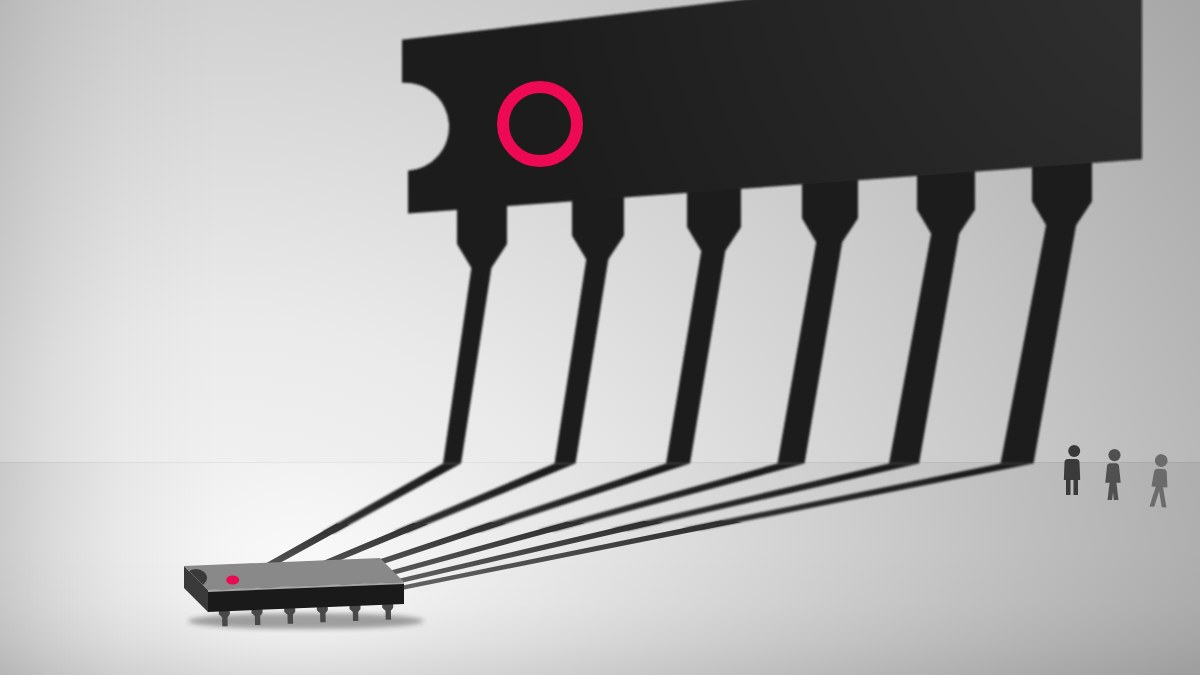
المنهجية. أُعدّ هذا الملخّص في 15 سبتمبر 2026 من نصّ تدوينة The contagion of fear التي نشرها برايان كانتريل (Bryan Cantrill) على مدوّنته The Observation Deck في 13 سبتمبر 2026، بحسب بيانات الصفحة. حُمّلت صفحة المقال واستُخرج نصّها كاملاً (نحو 1,260 كلمة في 16 مقطعاً، أولها العنوان)، ورُسمت خريطة لحجّته قبل الكتابة. أرقام الفقرات [¶N] من وضعنا بترتيب المقال. كلّ رقم في المتن قولُ المقال لا قياسٌ منّا، ولم يُنسب إلى أيّ شخص إلا ما نسبه إليه الكاتب. في الصفحة اقتباسان مباشران فقط، وما عداهما صياغة بالمعنى مع الإسناد. اختُصر ما فوق هذه المنهجية في حدود 450 كلمة عربية، أي نحو نصف طول المقال الأصلي، بالحذف لا بالتحوير (المادة 5.8): حُذفت تفاصيل ثانوية، وبقيت الحجّة والأرقام والتحفّظات بترتيب المقال. الترجمة بالمعنى وفق المادة 3.4، بلا أي إضافة من خارج المصدر. والصورة في رأس الصفحة رسمٌ مبتكر أعددناه لهذا الملخص، وليست من المقال ولا من مدوّنة الكاتب. النشر: رُفعت هذه الصفحة على shortitfor.me/contagion-of-fear بتاريخ 15 سبتمبر 2026، بأمر المالك النصّي الصريح («انشر») بعد أن عُرض عليه رابط معاينتها، وفق المادة 6 من دستور الملخصات، والصفحة موسومة noindex كما توجب المادة نفسها.
A summary of the post “The contagion of fear” by Bryan Cantrill on his blog The Observation Deck: a confession about a fake-virus prank that set off a panic at his university, and a response to those who are now spreading the fear that AI will wipe out humanity.
↗ Read the original article
Numbers in square brackets, such as [¶7], are paragraph numbers in the original article, for anyone who wants to check where a point is made.
The gist in a minute
If you read only one paragraph, make it this one
The author confesses to a fake-virus prank in which he and his friends set off a panic they could not stamp out. He tells the story because people regarded as technologists are recklessly spreading fears that AI will wipe out humanity. He calls for the utmost caution in sounding the alarm.
1 · The virus prank
The author reveals a shameful episode — [¶2 – ¶7]
As a first-year university student, the author joined his friends in warning the humanities students in the lab next door that a virus had got loose from the computer science lab. Utter chaos followed, and the fear set in too deeply for the pranksters to dislodge it [¶5].
He remembers what followed only dimly, though he knows it went badly: anyone who had switched off a computer lost work [¶6].
2 · Why confess now
The author links his story to the claim that AI could wipe out humanity — [¶8 – ¶10]
What moves him to confess is the recklessness with which people regarded as technologists are sowing fear today; he has never seen anything like it. Jacob Coxon, a former Anthropic employee, asserted that the odds of AI wiping out humanity are more than 10% within the next decade, and Evan Hubinger, who leads Alignment Science at the company, agreed [¶8].
As for how this would come about, the answers always rest on loose projections: Coxon merely mentions bioweapons and breaking into critical infrastructure, yet he has expertise in neither area [¶10].
3 · How the contagion of fear spreads
The author explains how fear sown by specialists spreads — [¶11]
Yet in the author's view Coxon does have one area of expertise, albeit one he stumbled into: the contagion of fear. That is because people have to place some trust in specialists; once specialists stir up fear, that fear sets in and spreads far more easily than whatever evidence turns up later.
“Falsehood flies, and the truth comes limping after it”
Coxon is more a carrier of the infection than its original source. As the fear tightens its grip, a crowd of frightened experts becomes a kind of proof.
4 · Intelligence alone is not enough
The author replies that engineering takes more than intelligence — [¶12 – ¶13]
He builds his reply on what he calls his narrow field, building computers. Engineering calls for working in the physical world, and robots do not seem capable of it within the time frame the extinction fears assume [¶12].
Anything digital systems do in the physical world happens only because we allow it. However intelligent a system may be, it is still bound by the facts of the physical world [¶13].
5 · The burden of proof, and an apology more than three decades later
The author demands evidence to match the claim, and closes with an apology — [¶14 – ¶16]
To anyone hearing such fears voiced for the first time, he says:
“know that your incredulity is warranted”
He invokes Carl Sagan's maxim: the more extraordinary a claim, the stronger the evidence it demands [¶14].
The burden of proof rests on whoever makes the claim. That shameful episode taught the author that people with expertise, himself included, are tacitly trusted by the public; they must be cautious, and most cautious of all when they sound the alarm [¶15].
He closes by apologizing to the students who were in that lab: they had no reason to be afraid then, and, on the question of extinction at least, they have none now either [¶16].
Notes on the source
- The article does not say where Coxon and Hubinger made their claim.
- In the Arabic version, we rendered vector as “carrier of the infection” and index case as “the infection's original source”.
Methodology. This summary was prepared on 15 September 2026 from the text of the post The contagion of fear, which Bryan Cantrill published on his blog The Observation Deck on 13 September 2026, according to the page's metadata. The article page was downloaded and its full text extracted (about 1,260 words in 16 segments, the first being the title), and a map of its argument was drawn up before writing began. The paragraph numbers [¶N] are our own and follow the order of the article. Every number in the text is what the article says, not our own measurement, and nothing is attributed to anyone beyond what the author attributes to them. The page contains only two direct quotations; everything else is paraphrased by meaning, with attribution. Everything above this methodology note was condensed to within about 450 Arabic words, roughly half the original article's length, by cutting rather than altering (Article 5.8): secondary details were dropped, while the argument, the numbers and the caveats were kept in the article's order. The translation is by meaning under Article 3.4, with nothing added from outside the source. The image at the top of the page is an original illustration made for this summary; it does not come from the article or the author’s blog. Publication: this page was published at shortitfor.me/contagion-of-fear on 15 September 2026, on the owner’s explicit written order (“Publish”), given after its preview link had been shared, under Article 6 of the Summaries Constitution, and the page is tagged noindex as that article requires.