دراكنميلر انتقل من الذكاء الاصطناعي إلى بيتكوين — وليس وحده
خلاصة فيديو «Druckenmiller Just Rotated From AI to Bitcoin (And He's Not Alone)» لمارك موس (Mark Moss): ماذا كشف ملفّ 13F لمكتب دراكنميلر العائلي، ولماذا اشترى شركات تعدين بيتكوين لا بيتكوين نفسه، وما «الجسر الخفي» بين طفرتَي الذكاء الاصطناعي وبيتكوين، وأيّ إشارات يراقبها موس لتأكيد الدوران. كلّ رقم هنا قولُ المصدر.
 ▶ شاهد الفيديو الأصلي
الخلاصة في ثلاث جمل
إن لم تقرأ غير هذه الفقرة
يرى موس أن دوران رأس المال من الذكاء الاصطناعي إلى بيتكوين بدأ فعلاً، لكنه يظهر أولاً تحت السعر لا فيه: الحيتان تراكم، وصنّاع السوق يبنون «السباكة»، وستانلي دراكنميلر أفصح عن نحو 125 مليون دولار في أربع شركات تعدين بيتكوين مع بقائه في الذكاء الاصطناعي. المعدّنون هم «الجسر الخفي» لأنهم يملكون ما تحتاجه الصناعتان معاً: الطاقة الموصولة بالشبكة، وبنية الحوسبة، وتعرّضاً عالي البيتا لبيتكوين إلى جانب دخل تعاقدي من مراكز البيانات. ويعتقد موس أن قاع بيتكوين خلفنا استناداً إلى المتوسط المتحرّك لـ200 أسبوع وثابت إنهاك البائعين، وينصح بألا ينسخ أحدٌ محفظة أحد، وأن يراقب ثلاث إشارات تأكيد مع إدراك «ثمن التأكيد».
1 · الدوران بدأ — والإشارة الأكبر جاءت من «الأعظم»
[0:00 – 1:31]
يفتتح موس بأن دوران رأس المال من الذكاء الاصطناعي إلى بيتكوين «بدأ أخيراً»، وهو ما كان الجميع ينتظره. لأشهر تخلّف سعر بيتكوين لأن الذكاء الاصطناعي استحوذ على المال والطاقة والعناوين والزخم كلّه، لكن في الأسابيع الستة الأخيرة بدأت هذه العلاقة تنقلب.
لماذا يعنيك هذا أيّاً كان موقعك: مالك بيتكوين يحتاج أن يعرف هل انتهى التخلّف الطويل؛ ومالك أسهم الذكاء الاصطناعي يحتاج أن يعرف هل يغادر رأس المال فعلاً وإلى أين؛ ومن يجلس على النقد ينتظر «تأكيداً واحداً بعد» عليه أن يفهم ثمن التأخّر، لأن هذه الدورانات الكبرى لا تحرّك الأسواق فحسب، بل تحدّد أيّ الأصول يُنمّي ثروتك وأيّها يتركك خلفه بهدوء.
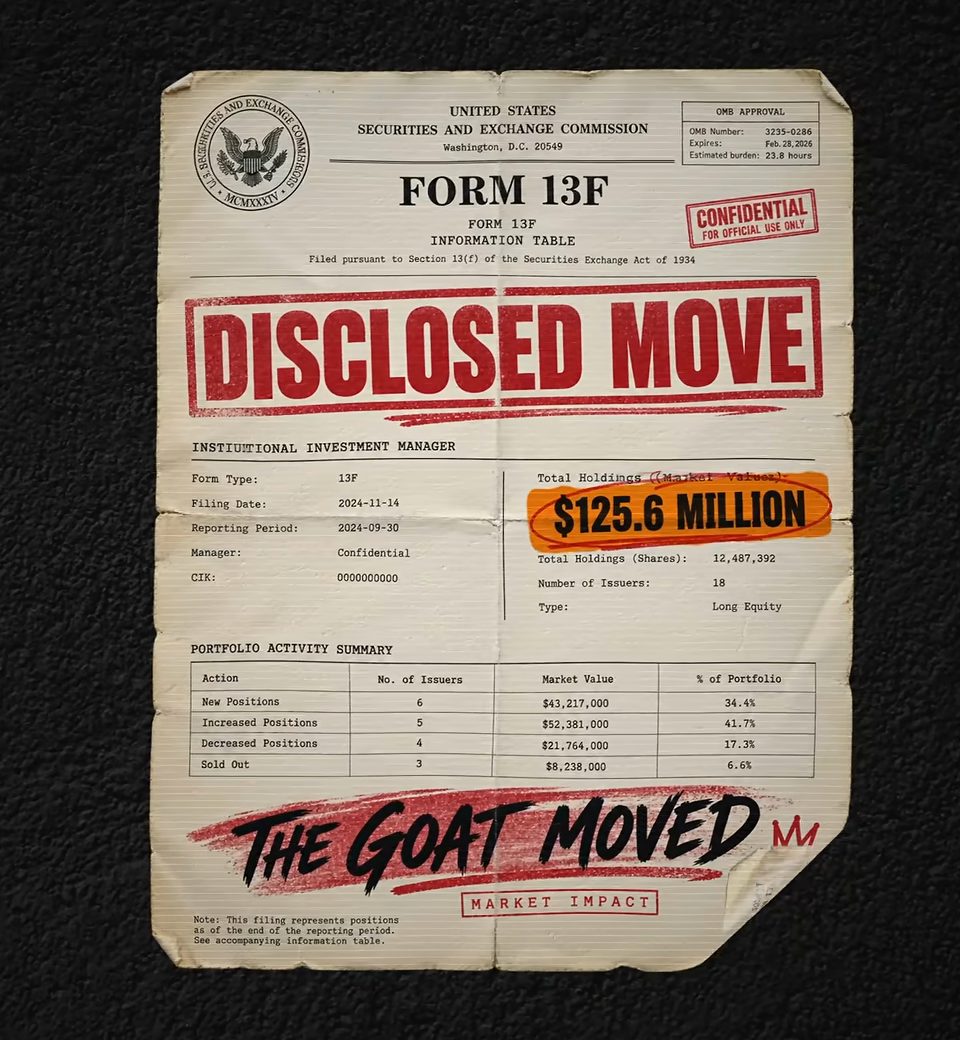
إشارتان تمهيديتان: خلال نحو 60 يوماً أضافت أكبر محافظ بيتكوين ما يعادل 2.9 مليار دولار تقريباً. ثم جاءت الإشارة الأكبر من «الأعظم» (the GOAT): مكتب ستانلي دراكنميلر العائلي أفصح عن حركة بقيمة 125 مليون دولار. لكنه لم يتحرّك حيث يظنّ معظم الناس: «المال الذكي لا يصنع الصفقة الواضحة هنا» [1:01]، بل يعبر ما يسمّيه موس «الجسر الخفي» الذي يربط الطفرتين في آن واحد. وعد الفيديو: كشف هذا الجسر، ولماذا يعبره دراكنميلر، وماذا يعني لبيتكوين وللذكاء الاصطناعي، وكيف تؤكّد الدوران قبل أن يلحق به الجمهور.
2 · من هو دراكنميلر، ولماذا يهمّ ملفّه
[1:31 – 2:33]
لمن لا يعرفه: لأكثر من 30 سنة أدار دراكنميلر بعض أكبر الصناديق في العالم دون سنة خاسرة واحدة، بمتوسط عائد 30% أو أكثر. كان مدير المحفظة الرئيس في صندوق كوانتوم لجورج سوروس، وفي 1992 ساعد في هندسة الصفقة الشهيرة التي «كسرت بنك إنجلترا»: بيع الجنيه الإسترليني على المكشوف وربح أكثر من مليار دولار في يوم واحد. لهذا يُلقَّب بالأعظم.
لكن الأهمّ عند موس ليس السجلّ، بل الطريقة: دراكنميلر صريح في أنه يغيّر رأيه حين تتغيّر الوقائع؛ لا يتحوّل إلى أيديولوجي، ولا يتعلّق عاطفياً بصفقة. «حين تتغيّر الحقائق، يتحرّك» [2:33] — ولهذا يستحقّ ملفّه القراءة.
3 · ما كشفه ملفّ 13F: أربعة معدّنين، لا خروج من الذكاء الاصطناعي
[2:33 – 4:04]
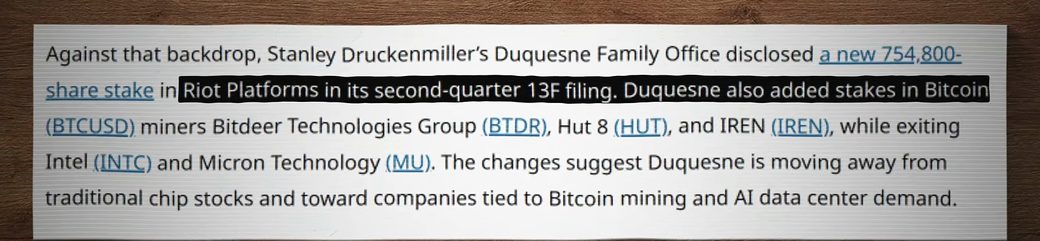
في 14 أغسطس أفصح مكتبه العائلي، في ملفّ 13F الذي يُظهر ما كانت تحمله المحفظة في نهاية الربع (30 يونيو)، عن مراكز في أربع شركات تعدين بيتكوين: Bitdeer وHut 8 وRiot Platforms وIREN — كلّها أسهم عادية بقيمة نحو 125 مليون دولار. وفي المقابل اختفت مراكز كان يحملها منذ مدّة: Broadcom وIntel وMicron.
قراءة موس تختلف عن العنوان السهل. كثيرون على يوتيوب وإكس قرأوا الخبر هكذا: «دراكنميلر باع الذكاء الاصطناعي واشترى بيتكوين». «ليس هذا ما أراه، ليس بالضبط» [3:03]. فهو لم يتخلَّ عن الذكاء الاصطناعي: Taiwan Semiconductor بقيت من أكبر مراكزه، وفي الملفّ نفسه أضاف AMD وLam Research وEquinix وAlphabet. إذن ليس خروجاً بل دوران، وشيء آخر يجري تحت السطح.
والجزء الكاشف: لم يصنع صفقة بيتكوين الواضحة ولم يشترِ بيتكوين مباشرة، بل أفصح عن أربع شركات «تجلس بين بيتكوين والذكاء الاصطناعي»، تتحكّم في شيء تحتاجه الصناعتان بشدّة. وهنا تبدأ أطروحة الدوران كلّها تتّضح — لكن أولاً، كما يقول، عليك أن تكفّ عن مراقبة الرقم الواضح.
4 · توقّف عن مراقبة الرقم الواضح
[4:04 – 5:35]
الرقم الواضح هو سعر بيتكوين: الجميع يفتح الرسم البياني كلّ يوم ويسأل السؤال نفسه — هل يتحرّك؟ هل اخترق أخيراً؟ هل بدأ الدوران؟ لكن السعر عادةً آخر مكان يصير فيه الدوران واضحاً؛ حين يتحرّك السعر يكون المال المبكّر قد تموضع، ويكون الباقون يدفعون «ثمن التأكيد». فمن أراد رؤية الدوران قبل الجمهور فلينظر تحت السعر — إلى البيانات على السلسلة.
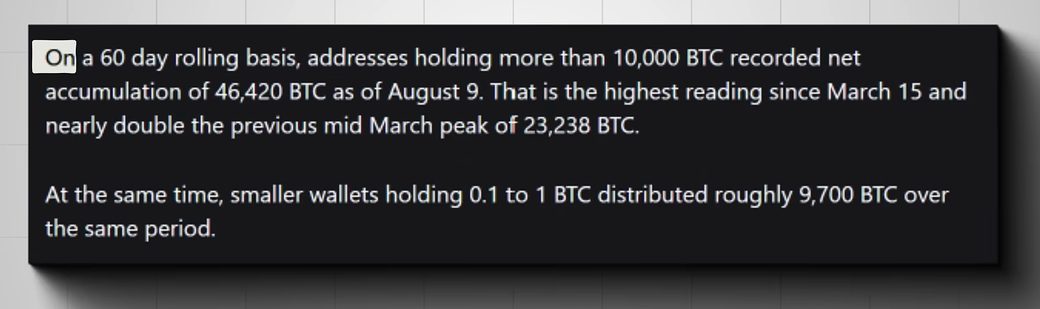
أكبر المحافظ: بحسب CryptoQuant، خلال 60 يوماً حتى 9 أغسطس أضافت المحافظ التي تحمل أكثر من 10,000 بيتكوين 46,420 بيتكوين — نحو 2.9 مليار دولار بالأسعار الحالية. وفي الوقت نفسه، «ويؤسفني قول هذا»، خفّضت أصغر المحافظ (بين 0.1 و1 بيتكوين) حيازاتها نحو 9,700 بيتكوين. أي أن المستثمرين الأفراد يبيعون بيتكوينهم للحيتان: «لا تفعل ذلك» [5:05]. كان ذلك يحدث بينما الجميع يحدّق في الرسم المتخلّف ويقول إن بيتكوين لن يذهب إلى مكان وسينهار مرّة أخرى. هذا انتقال ملكية يجري قبل أن يمنح السعر الجمهور التأكيد الذي ينتظره.
5 · ليس على السلسلة فقط: Jane Street وتيودور والتدفّقات السلبية
[5:35 – 7:07]
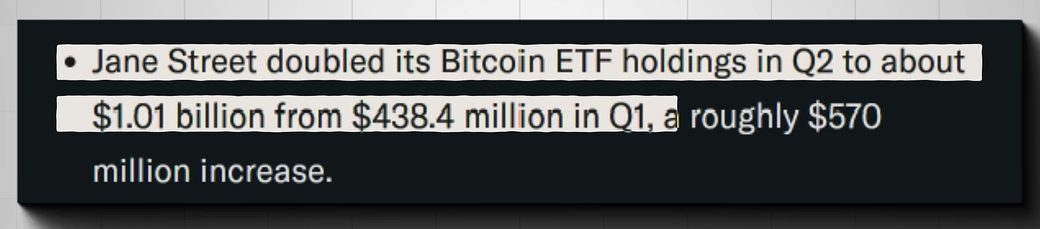
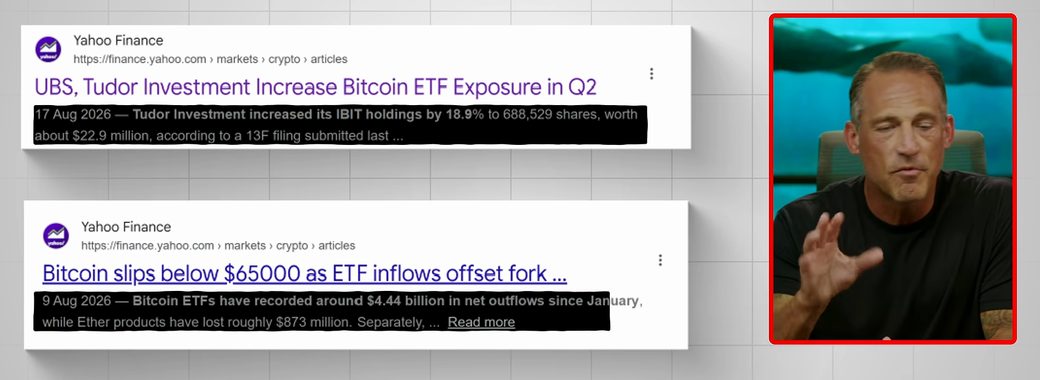
Jane Street: بنهاية الربع الأول أعلنت مركزاً طويلاً في صناديق بيتكوين الفورية بقيمة 291 مليون دولار، وبنهاية الربع الثاني نما إلى 938 مليوناً — «مليار دولار تقريباً»، أكثر من ثلاثة أضعاف في ربع واحد؛ «كانوا يشترون طوال الوقت». وهم من أكبر صنّاع السوق في العالم، فليس هذا رهاناً بسيطاً بل بناءً للآلة التي تسمح لأموال أكبر بكثير بالتدفّق عبر منتجات بيتكوين: «سباكة مؤسّسية»، والسباكة تُبنى دائماً قبل أن يصل الطوفان.
بول تيودور جونز: شركته Tudor Investment Corporation زادت مركزها في بيتكوين بنحو 19% في الربع نفسه. «المال الذكي يتحرّك بينما الجماهير لا تزال تبيع» [6:36].
وكلّ ذلك بينما صافي تدفّقات صناديق بيتكوين الفورية لا يزال سالباً بنحو 4.5 مليار دولار منذ بداية السنة. معظم الناس يقرأون هذا الرقم على أن الدوران لم يبدأ؛ موس يقول إنه بدأ، لكن تحت السطح حيث لا ينظر أكثر الناس. وسعر بيتكوين «بدأ يلحق الآن، اليوم».
6 · الجسر الخفي: لماذا معدّنو بيتكوين بالذات
[7:07 – 10:41]
دراكنميلر لم يشترِ بيتكوين، بل أربعة معدّنين، فوضع نفسه حيث تصطدم طفرة الذكاء الاصطناعي بطفرة بيتكوين؛ ومتى فهمتَ «الأصل النادر الذي تتنازع عليه الصناعتان الآن» صارت صفقته كلّها منطقية. والجسر الخفي هو شركات التعدين نفسها، لأنها تقف عند تقاطع ثلاثة أشياء يحتاجها اقتصاد الذكاء الاصطناعي: الطاقة، وبنية الحوسبة، ولاحقاً المال الرقمي.
الطاقة أولاً. قضى المعدّنون العقد الماضي يبحثون عن أوفر طاقة متاحة: أمّنوا الأرض، وتفاوضوا مع المرافق على عقود إيجار طويلة، وبنوا المحطات الفرعية، ووصلوا مواقع ضخمة بالشبكة الكهربائية — وهذا بالضبط ما تحتاجه صناعة الذكاء الاصطناعي الآن. الجميع يتحدّث عن معالجات الرسوميات، لكن «معالج رسوميات بلا كهرباء ليس سوى ثقّالة ورق باهظة» [8:08]. القيد الأكبر ليس المال بل الوقت: الحصول على موقع جديد موصول بالشبكة قد يستغرق في أسواق كثيرة 5 إلى 7 سنوات؛ وشركات الذكاء الاصطناعي تجمع المليارات بين ليلة وضحاها، لكنها «لا تستطيع تصنيع خمس سنوات من الوقت». الحواسيب مختلفة — المعدّنون يستخدمون ASIC ومراكز الذكاء الاصطناعي تستخدم GPU — لكن الأساس المادّي واحد: الأرض، والطاقة، والربط بالشبكة، والمحطات، وبنية مراكز البيانات. هذا الجانب الأول من الجسر.
محرّكان في شركة واحدة. التعدين يمنح هذه الشركات تعرّضاً عالي البيتا لبيتكوين: حين ينطلق بيتكوين قد تتحرّك أقوى منه — هذا «عزم الدوران». وعقود HPC — «الحوسبة عالية القدرة» بتعبيره — ومراكز البيانات تمنحها ما لا يمنحه التعدين: دخلاً أثبت وأطول أجلاً مدعوماً بعقود — هذا «الثقل الموازن». جانب يلتقط صعود بيتكوين، وجانب يثبّت العمل ريثما يأتي ذلك الصعود.
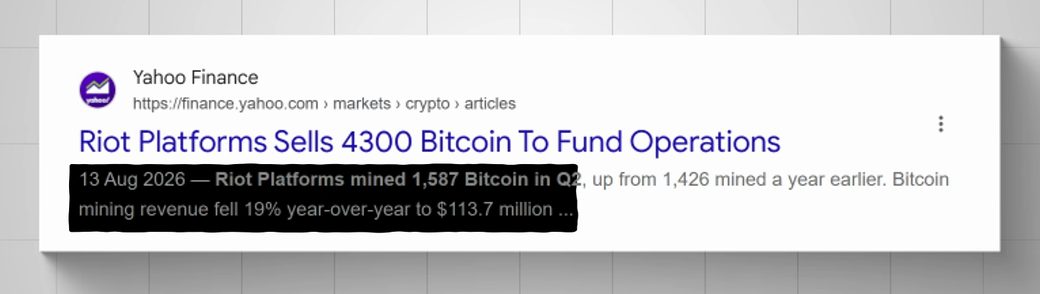
ونراه يحدث فعلاً: Bitdeer عدّنت 2,694 بيتكوين في الربع الثاني، ووقّعت في الوقت نفسه عقد إيجار لـ16 سنة بقيمة 4.7 مليار دولار للذكاء الاصطناعي والحوسبة عالية الأداء. وRiot عدّنت 1,587 بيتكوين وتعاقدت على سعة مراكز بيانات مع AMD و«مختبر ذكاء اصطناعي رائد». فهي لا تزال في بيتكوين، لكن بنيتها الكهربائية صارت تكسب من طفرة الذكاء الاصطناعي أيضاً.
إفصاح موس عن مصلحته: يستثمر في مشاريع تعدين بيتكوين منذ 2017، وهو شريك في صندوق مغامر استثمر في عدّة مشاريع تعدين، ومستشار لـBlockware (منصّة تعدين ذاتية الاستضافة): «أعرف هذا العمل من الداخل» [10:10]. ولذلك يراها «التركيبة المثالية»: صعود بيتكوين عالي البيتا، ودخل أكثر قابلية للتوقّع من مراكز البيانات، وملكية بنية الطاقة التي تعتمد عليها الصناعتان.

7 · مستوى أعمق: وكلاء الذكاء الاصطناعي سيحتاجون مالاً
[10:41 – 11:43]
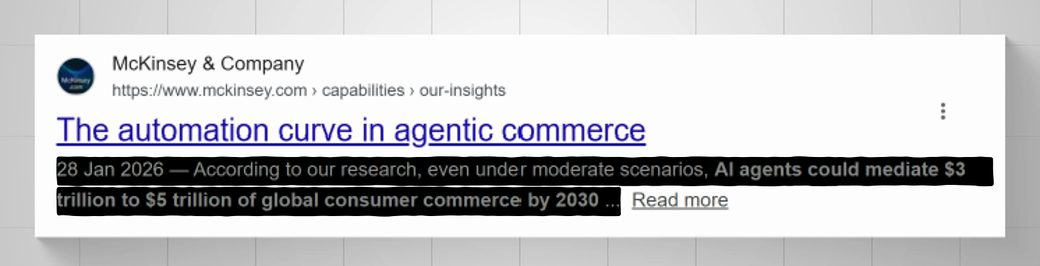
الصلة أعمق من الكهرباء. تقدّر McKinsey أن وكلاء الذكاء الاصطناعي قد يتوسّطون بحلول 2030 في ما بين 3 و5 تريليونات دولار من التجارة الاستهلاكية العالمية: سيكتشفون المنتجات، ويقارنون الأسعار، ويتفاوضون على المشتريات، ويستأجرون وكلاء آخرين، ويشترون قدرتهم الحاسوبية، ويتعاملون مع وكلاء آخرين على مدار الساعة كلّ يوم. فيحتاجون مالاً رقمياً وقابلاً للبرمجة وعالمياً ويتحرّك على مدار الساعة.
وموس يعتقد أن بيتكوين يصبح ذلك الأصل النقدي لاقتصاد الآلات: الاحتياطي النادر، والضمانة، وطبقة التسوية النهائية معاً، مع Lightning وطبقات أخرى تتولّى المعاملات السريعة بين الآلات. وحين تُبعد النظر ترى ما يصطدم هنا: الذكاء الاصطناعي يصنع وفرة تتوسّع بسرعة، وبيتكوين يوفّر ندرة مطلقة؛ فالذكاء الاصطناعي لا يُضعف أطروحة بيتكوين بل يُسرّعها. «هذه هي البوّابة التي اشتراها دراكنميلر: دخل حوسبة متعاقَد عليه اليوم، وصعود بيتكوين عالي البيتا غداً» [11:12].
8 · هل بيتكوين جاهز؟ مؤشّران يجعلان موس يقول إن القاع خلفنا
[11:43 – 14:16]
موس يعتقد أن القاع صار خلفنا، ويقدّم مؤشّرين — مع تحذير مسبق: هناك عشرات المؤشّرات وكلّ أنواع المحرّكات الأساسية التي يجب أخذها في الحسبان، «فلا تتحرّك أبداً بناءً على نقطة أو نقطتين» [11:43].
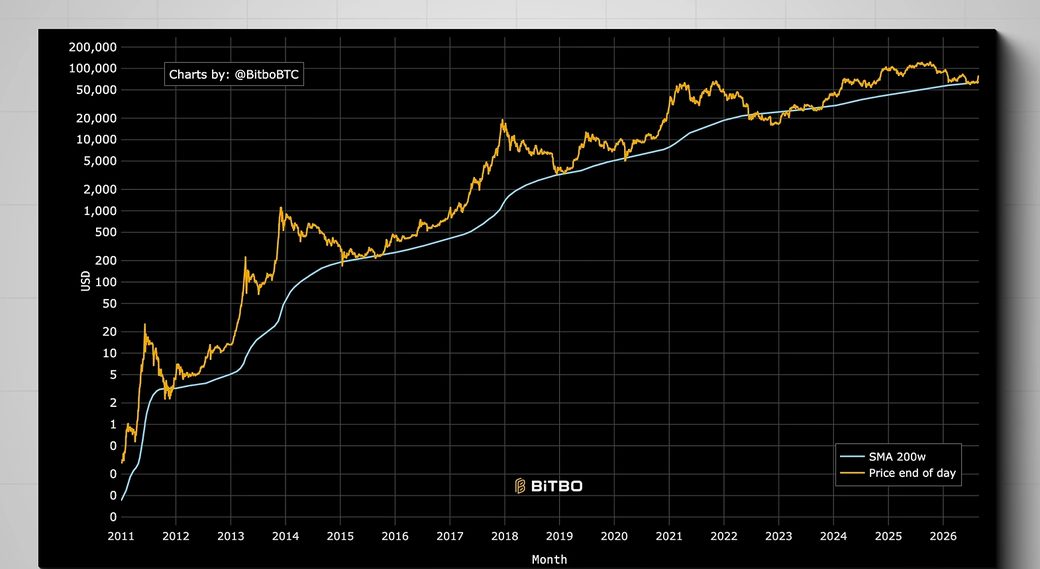
المتوسط المتحرّك لـ200 أسبوع: هو متوسط سعر بيتكوين الأسبوعي على نحو أربع سنوات، فهو شديد التنعيم، ويقف الآن قرب 64,000 دولار. أغلق بيتكوين تحته لفترة وجيزة ثم عاد فوقه مباشرة. ليس هذا الخطّ «سحرياً» ولا «حقل قوة»، بل منطقة قيمة عميقة: بيتكوين «رخيص تاريخياً» [12:14] كلّما بلغها — و«الرخيص قد يزداد رخصاً» ويبقى كذلك طويلاً — لكن كلّ شراء عند هذا الخطّ كان تاريخياً فرصة شراء.
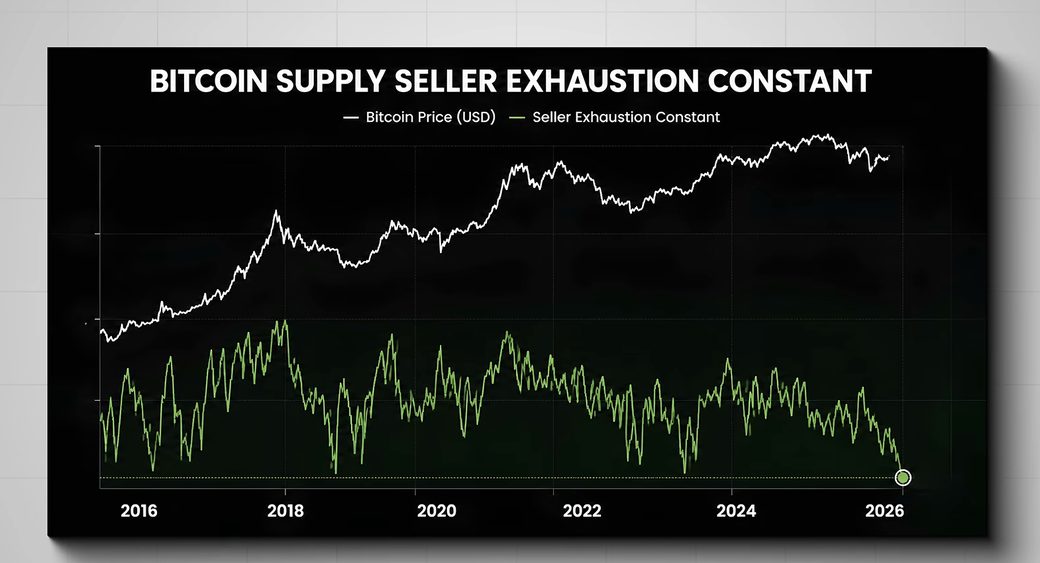
ثابت إنهاك البائعين: الرسم الأهمّ عنده، لأن الأسواق في بساطتها تتوقّف عن الصعود حين لا يبقى مشترون، وتتوقّف عن الهبوط حين لا يبقى بائعون. المؤشّر يجمع شيئين: كم من معروض بيتكوين في ربح، وكم كان السعر متقلّباً. حين تهبط الربحية ويختفي التقلّب يجفّ ضغط البيع؛ والمؤشّر الآن في «منطقة قيعان تاريخية» [13:15] — أي أن البائعين منهكون.
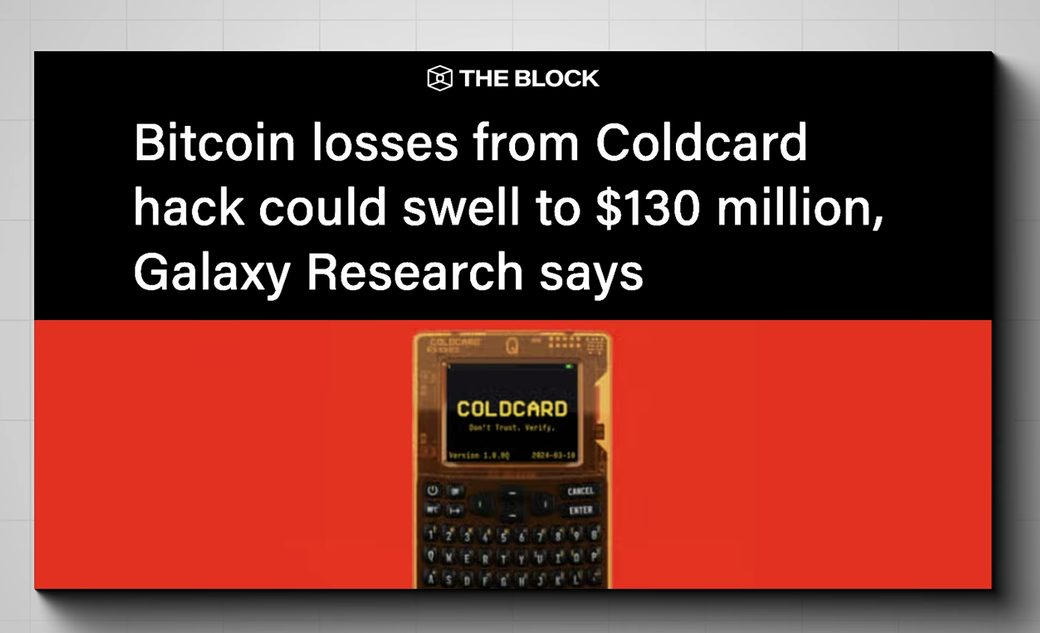
واختبار حيّ: اختراق Coldcard (محفظة عتادية) وسرقة ما يزيد على 130 مليون دولار من بيتكوين. عنوان كهذا يسحق سوقاً ضعيفة، لكن «بيتكوين بالكاد تفاعل» [13:46]؛ السوق امتصّ الخبر السيئ ومضى، وهكذا تتصرّف القيعان: تتوقّف الأخبار السيئة عن دفع السعر للأسفل قبل أن تبدأ الأخبار الجيدة بدفعه للأعلى.
موقفه: البائعون منهكون، وكبار الحائزين يراكمون، والقاع «قد تحقّق». لا يعني ذلك أنه لن تكون هناك إعادة اختبار؛ يعني أن البائعين فقدوا السيطرة على السوق، وحين يعود الطلب الحقيقي قد لا يجد معروضاً كثيراً في طريقه.
9 · ماذا تفعل قبل أن يحدث ذلك؟
[14:16 – 15:17]
لا تنسخ محفظة دراكنميلر — ولا محفظة أحد. «لا يمكنك استعارة القناعة، عليك أن تبنيها بنفسك» [14:16]. لذلك، قبل أن تشتري أيّ شيء، اسأل نفسك ما يسمّيه «خمسة أسئلة»: ماذا أشتري، ولماذا؟ ماذا أتوقّع منه — صعوداً أم هبوطاً — وما الآليات التي تجعل ذلك يحدث؟ خلال أيّ إطار زمني؟ وماذا سأفعل حين يحدث؟
أدوات مختلفة لوظائف مختلفة: بعد أن تجيب عن تلك الأسئلة وتقرّر التحرّك: إن أردتَ تعرّضاً مباشراً لبيتكوين فامتلاكه مباشرة هو «أنظف طريقة». وإن كنتَ قد بنيت محفظة وأردتَ رفع المخاطرة قليلاً، فقد تناسبها بعض أسهم التعدين ذات التعرّض للذكاء الاصطناعي. لكنهما أداتان مختلفتان، وعليك أن تقرّر أيّ وظيفة تؤدّي كلّ أداة داخل محفظتك أنت.
10 · ثلاث إشارات تأكيد — و«ثمن التأكيد»
[15:17 – 16:18]
كيف نتأكّد أن الدوران حقيقي؟ يراقب موس ثلاث إشارات: (1) تدفّقات صناديق بيتكوين الفورية — إن تحوّلت منذ بداية السنة إلى موجبة فقد عاد الطلب المؤسّسي. (2) بيتكوين مقابل أسهم أشباه الموصلات — إن واصل بيتكوين التفوّق أسابيع متعدّدة فقد تغيّرت قيادة السوق. (3) ملفّ 13F التالي لدراكنميلر — إن أبقى هذه المراكز أو زادها، وربما ظهر مستثمرون كبار آخرون، فالدوران ينتشر بلا شكّ.
لكنها ليست إشارات تداول، بل إشارات تأكيد. حين تصير واضحة ستكون أكثر يقيناً — لكنها ستكون كذلك للجميع أيضاً، فتدفع ثمناً أعلى بكثير: هذا «ثمن التأكيد». فالقرار الحقيقي ليس هل تستطيع التنبّؤ بالقاع بالضبط — «لا أحد يستطيع بالطبع» [15:48] — بل هل يطابق تعرّضك لبيتكوين وخطّتك طويلة الأجل قناعتك. ويختم: «افعل الحساب الآن، قبل أن يتّخذ السوق القرار عنك» [16:18].
المنهجية. أُعدّ هذا الملخّص في 13 سبتمبر 2026 من التفريغ الآلي الإنجليزي للفيديو (سُحب بأداة yt-dlp، نحو 3,250 كلمة في 16 دقيقة و50 ثانية)، قُرئ كاملاً وقرأه بالتوازي ثلاثة قرّاء ومدقّق اكتمال، ومن 11 لقطة من الفيديو بدقّة 1080p اختيرت حيث يعرض موس بطاقات نصّية أو رسوماً بيانية، وقُصّت على حدود البطاقة فقط دون أيّ تعديل في محتواها. التفريغ الآلي كتب اسم الشركة الرابعة «Iris» واسم المحفظة «Cold Card»، وطُبّعا على ما ظهر على الشاشة (IREN، Coldcard) إفصاحاً لا تصحيحاً صامتاً. كلّ رقم في الصفحة قولُ المصدر لا قياسٌ منّا؛ وحيث اختلف الرقم الشفهي عن الرقم المعروض على الشاشة (حالة Jane Street) نُقل الاثنان في تعليق الصورة دون ترجيح أو تصحيح، وحيث احتوت البطاقة معلومات لم يقلها موس شفهياً أُشير إلى ذلك. الأقسام بترتيب الفيديو، والطوابع الزمنية بجوار الاقتباسات. حُذف المقطع الترويجي الختامي (أداة «تقاعد بيتكوين» المجانية) لأنه ترويج لا محتوى، مع الإبقاء على جملته الأخيرة لأنها خلاصة موقفه. ما في الصفحة من توجيهات استثمارية هو قول موس منسوباً إليه — بما فيه إفصاحه عن مصلحته في قطاع التعدين — وليس توصية منّا. الترجمة بالمعنى في عربية سلسة وفق المادة 3.4 المُعدَّلة، بلا زيادة معنى ولا حذفه؛ ولفظ «رخيص» لم يرد إلا داخل اقتباس حرفي من المصدر. النشر: رُفعت هذه الصفحة أول مرة بتاريخ 13 سبتمبر 2026، بناءً على أمرك النصّي الصريح لهذا الملف بعينه — وهو استثناء موثَّق من المادة 6 من دستور الملخصات التي تجعل الملخصات ملفات محلية بشكل افتراضي — وتبقى الصفحة موسومة noindex بعد النشر كما توجب المادة نفسها. والنشر على «ملخصاتي»: رُفعت هذه الصفحة على shortitfor.me/druckenmiller بتاريخ 13 سبتمبر 2026، بناءً على أمر المالك النصّي الصريح لهذا الملف بعينه («ارفعها على موقع ملخصاتي») — استثناءٌ موثَّق من المادة 6 من دستور الملخصات، والصفحة موسومة noindex كما توجب المادة نفسها.
A digest of the video “Druckenmiller Just Rotated From AI to Bitcoin (And He's Not Alone)” by Mark Moss: what the 13F filing of Druckenmiller's family office revealed, why he bought Bitcoin mining companies rather than Bitcoin itself, what the “hidden bridge” between the AI and Bitcoin booms is, and which signals Moss is watching to confirm the rotation. Every figure here is the source's own claim.
▶ Watch the original video
The takeaway in three sentences
If you read nothing but this paragraph
Moss argues that the AI-to-Bitcoin capital rotation has actually begun, but that it shows up first underneath the price, not in it: whales are accumulating, market makers are building the “plumbing,” and Stanley Druckenmiller has disclosed about $125 million in four Bitcoin mining companies while staying in AI. The miners are the “hidden bridge” because they own what both industries need at once: grid-connected power, compute infrastructure, and high-beta exposure to Bitcoin alongside contracted income from data centers. And Moss believes Bitcoin's bottom is behind us, based on the 200-week moving average and the seller exhaustion constant; he advises against copying anyone's portfolio and recommends watching three confirmation signals while understanding “the confirmation price.”
1 · The rotation has begun — and the biggest signal came from “the GOAT”
[0:00 – 1:31]
Moss opens by saying the AI-to-Bitcoin rotation has started — “It's finally here” — and that this is what everyone has been waiting for. For months, Bitcoin's price lagged because AI captured all the money, the energy, the headlines, and all the momentum, but over the last six weeks that relationship has started flipping.
Why this matters to you, whatever your position: a Bitcoin holder needs to know whether the long lag has ended; an AI stockholder needs to know whether capital is actually leaving, and where it's going; and anyone sitting on cash waiting for “one more confirmation” has to understand the price of being late, because these major rotations don't simply move markets — they determine which assets compound your wealth and which ones quietly leave you behind.
Two opening signals: over about 60 days, the largest Bitcoin wallets added the equivalent of roughly $2.9 billion. Then came the biggest signal yet, from “the greatest of all time” (the GOAT): Stanley Druckenmiller's family office disclosed a $125 million move. But he didn't move where most people think: “Smart money isn't making the obvious trade here” [1:01]; instead, he is crossing what Moss calls “the hidden bridge” that connects both booms at the same time. The video's promise: to reveal this bridge, why Druckenmiller is crossing it, what it means for Bitcoin and for AI, and how to confirm the rotation before the crowd catches on.
2 · Who Druckenmiller is, and why his filing matters
[1:31 – 2:33]
For those who don't know him: for more than 30 years, Druckenmiller ran some of the largest funds in the world and never had a losing year, averaging a 30% or greater return. He was the lead portfolio manager for George Soros's Quantum Fund, and in 1992 he helped orchestrate the legendary trade that “broke the Bank of England”: shorting the British pound and making more than $1 billion in a single day. That is why he is called the GOAT.
But what matters most to Moss isn't the record but the method: Druckenmiller is open about the fact that he changes his mind when the facts change; he doesn't become an ideologue, and he doesn't get emotionally attached to a trade. “When the facts change, he moves” [2:33] — and that is why his filing is worth reading.
3 · What the 13F revealed: four miners, not an exit from AI
[2:33 – 4:04]
On August 14, in the 13F filing that shows what the portfolio held at the end of the quarter (June 30), his family office disclosed positions in four Bitcoin mining companies: Bitdeer, Hut 8, Riot Platforms, and IREN — all ordinary stock positions worth about $125 million. Meanwhile, positions he had held for a while disappeared: Broadcom, Intel, and Micron.
Moss's reading differs from the easy headline. Many people on YouTube and X read the news this way: “Druckenmiller sold AI and moved into Bitcoin.” “That's not what I see. Not exactly” [3:03]. He didn't abandon AI: Taiwan Semiconductor remained one of his largest positions, and in the very same filing he added AMD, Lam Research, Equinix, and Alphabet. So this was not an exit but a rotation, and something else is happening under the surface.
And the telling part: he didn't make the obvious Bitcoin trade, and he didn't buy Bitcoin directly; instead, he disclosed four companies “sitting between Bitcoin and AI,” companies controlling something both industries desperately need. This is where the entire rotation thesis starts making sense — but first, as he says, you have to stop watching the obvious number.
4 · Stop watching the obvious number
[4:04 – 5:35]
The obvious number is Bitcoin's price: everyone opens the chart every day and asks the same question — Is it moving? Did it finally break out? Has the rotation started? But the price is usually the last place a rotation becomes obvious; by the time the price moves, the early money is already in position, and everyone else is paying “the confirmation price.” Anyone who wants to see the rotation before the crowd should look underneath the price — at the on-chain data.
The largest wallets: According to CryptoQuant, in the 60 days to August 9, wallets holding more than 10,000 Bitcoin added 46,420 Bitcoin — about $2.9 billion at current prices. At the same time, “I hate to say this,” the smallest wallets (between 0.1 and 1 Bitcoin) reduced their holdings by about 9,700 Bitcoin. That means retail investors are selling their Bitcoin to the whales: “Don't do that” [5:05]. It was happening while everyone was staring at the lagging chart, saying Bitcoin isn't going anywhere and will crash one more time. This is a transfer of ownership, and it's happening before the price has given the crowd the confirmation it's waiting for.
5 · Not only on-chain: Jane Street, Tudor, and the negative flows
[5:35 – 7:07]
Jane Street: At the end of the first quarter it announced a $291 million long position in spot Bitcoin ETFs, and by the end of the second quarter that had grown to $938 million — “basically a billion dollars,” more than three times as much in a single quarter; “They were buying this whole time.” The firm is one of the largest market makers in the world, so this isn't a simple bet but the building of the machinery that lets much larger amounts of money flow through Bitcoin products: “institutional plumbing” — and the plumbing always gets built before the flood arrives.
Paul Tudor Jones: His Tudor Investment Corporation increased its Bitcoin position by about 19% in the same quarter. This is “the smart money moving while the masses are still selling.” [6:36]
And all of this while net spot Bitcoin ETF flows were still roughly $4.5 billion negative year-to-date. Most people read that number to mean the rotation hasn't started; Moss says it has — only under the surface, where most people don't look. And Bitcoin's price is “beginning to catch up right now, today.”
6 · The hidden bridge: why Bitcoin miners, specifically
[7:07 – 10:41]
Druckenmiller didn't buy Bitcoin; he bought four Bitcoin miners, positioning himself where the AI boom and the Bitcoin boom collide. Once you understand “the scarce asset both industries are fighting over right now,” his entire trade makes sense. The hidden bridge is the mining companies themselves, because they sit at the intersection of three things the AI economy needs: power, compute infrastructure, and, eventually, digital money.
Power first. Miners spent the last decade searching for “as much cheap and available energy” as they could get: they secured the land, negotiated long-term leases with the utilities, built the substations, and connected massive sites to the electrical grid — exactly what the AI industry needs right now. Everyone talks about GPUs, but “a GPU without electricity is just… an expensive paperweight” [8:08]. The biggest constraint isn't money but time: in many markets, getting a new grid-connected site can take 5 to 7 years; AI companies can raise billions overnight, but “they can't manufacture 5 years of time.” The computers are different — miners use ASICs and AI data centers use GPUs — but the physical foundation is the same: the land, the power, the grid connections, the substations, and the data center infrastructure. That's the first side of the bridge.
Two engines in one. Mining gives these companies high-beta exposure to Bitcoin: when Bitcoin takes off, they can move even harder — that's the “torque.” The HPC — “high-power compute,” in his words — and data center contracts give them what mining doesn't: steadier, longer-term, contract-backed revenue — that's the “ballast.” One side captures Bitcoin's upside, and the other stabilizes the business while it waits for that upside to come.
And we can already see it happening: Bitdeer mined 2,694 Bitcoin in the second quarter and, at the same time, signed a 16-year, $4.7 billion AI and high-performance computing lease. Riot mined 1,587 Bitcoin and has contracted data center capacity with AMD and “a leading AI lab.” So they're still in Bitcoin, but their power infrastructure now earns money from the AI boom as well.
Moss's disclosure of interest: He has invested in Bitcoin mining projects since 2017, is a partner in a venture fund that has invested in several mining projects, and is an advisor to Blockware (a self-hosted mining platform): “I know the business from the inside” [10:10]. That is why he sees this as “the perfect combination”: high-beta Bitcoin upside, more predictable income from data centers, and ownership of the power infrastructure that both industries depend on.
7 · A level deeper: AI agents will need money
[10:41 – 11:43]
The connection goes deeper than electricity. McKinsey estimates that by 2030, AI agents could mediate between $3 trillion and $5 trillion of global consumer commerce: they will discover products, compare prices, negotiate purchases, hire other agents, buy their own compute power, and transact with other agents around the clock, every single day. So they will need money that is digital, programmable, global, and moves around the clock.
And Moss believes Bitcoin becomes that monetary asset for the machine economy: the scarce reserve, the collateral, and the final settlement layer all together, with Lightning and other layers handling the faster machine-to-machine transactions. When you zoom out, you see what is colliding here: AI creates rapidly expanding abundance, and Bitcoin provides absolute scarcity; so AI doesn't weaken the Bitcoin thesis — it accelerates it. “That's the gateway that Druckenmiller bought. Contracted HPC income today, high-beta Bitcoin upside tomorrow” [11:12].
8 · Is Bitcoin ready? Two indicators that make Moss say the bottom is behind us
[11:43 – 14:16]
Moss believes the bottom is already behind us, and he offers two indicators — with a caveat up front: there are dozens of indicators and all kinds of fundamental drivers that have to be taken into account, so “never make a move off of one or two data points” [11:43].
The 200-week moving average: it is Bitcoin's average weekly price over about four years, so it is heavily smoothed out, and it now sits around $64,000. Bitcoin briefly closed below it and then moved right back above it. This line is neither “magical” nor a “force field” but a deep value zone: Bitcoin is “historically cheap” [12:14] whenever it gets there — and “just 'cause it's cheap doesn't mean it can't get cheaper,” and it could stay that way for a long time — but every purchase along this line has historically been a buying opportunity.
The seller exhaustion constant: the chart that matters most to him, because markets, in their simplicity, stop going up when there are no more buyers and stop going down when there are no more sellers. The indicator combines two things: how much Bitcoin supply is sitting in profit, and how volatile the price has been. When profitability falls and volatility disappears, selling pressure is drying up; and the indicator is now in “historic bottoming territory” [13:15] — meaning sellers are exhausted.
A live test: the Coldcard hack (a hardware wallet) and the theft of more than $130 million in Bitcoin. A headline like that would crush a weak market, but “Bitcoin barely even reacted” [13:46]; the market absorbed the bad news and kept going, and that is how bottoms behave: bad news stops pushing the price lower before good news starts pushing it higher.
His position: the sellers are exhausted, large holders are accumulating, and the bottom is “already in.” That doesn't mean there won't be a retest; it means the sellers have lost control of the market, and when real demand returns, there may not be much supply standing in its way.
9 · What should you do before that happens?
[14:16 – 15:17]
Don't copy Druckenmiller's portfolio — or anyone else's. “You can't borrow conviction, so you got to build your own” [14:16]. So before you buy anything, ask yourself what he calls “five questions”: What am I buying, and why? What am I expecting from it — up or down — and what are the mechanics that would cause that to happen? Over what time frame? And what am I going to do when it happens?
Different tools for different jobs: once you have answered those questions and decided to make a move — if you want direct exposure to Bitcoin, owning it directly is “the cleanest way.” If you have already built a portfolio and want to increase the risk a little, some of the Bitcoin mining plays with AI exposure might be a good fit for it. But they are different tools, and you have to decide what job each tool serves inside your own portfolio.
10 · Three confirmation signals — and “the confirmation price”
[15:17 – 16:18]
How do we confirm the rotation is real? Moss is watching three signals: (1) spot Bitcoin ETF flows — if year-to-date flows turn positive, institutional demand has returned. (2) Bitcoin versus semiconductor stocks — if Bitcoin keeps outperforming for multiple weeks, market leadership has changed. (3) Druckenmiller's next 13F filing — if it holds or adds these positions, and perhaps other major investors begin appearing, the rotation is definitely spreading.
But these aren't trading signals — they're confirmation signals. Once they become obvious, you will have more certainty — but it will be certain for everybody else too, so you will pay a much higher price: that is “the confirmation price.” So the real decision isn't whether you can predict the exact bottom — “of course, nobody can” [15:48] — but whether your Bitcoin exposure and your long-term plan match your conviction. He closes: “Do the math right now, before the market makes the decision for you” [16:18].
Methodology. This summary was prepared on September 13, 2026, from the video's English auto-generated transcript (pulled with yt-dlp, about 3,250 words over 16 minutes and 50 seconds), read in full and in parallel by three readers and a completeness checker, and from 11 video frames at 1080p, chosen where Moss shows text cards or charts and cropped only to the card's edges, without any alteration to their content. The auto-generated transcript wrote the fourth company's name as “Iris” and the wallet's name as “Cold Card”; both were normalized to what appeared on screen (IREN, Coldcard) — disclosed here rather than silently corrected. Every figure on the page is the source's own claim, not our measurement; where a spoken figure differed from the one shown on screen (the Jane Street case), both were reported in the image caption without favoring or correcting either, and where a card contained information Moss did not say aloud, that was noted. Sections follow the video's order, and timestamps sit next to the quotes. The closing promotional segment (the free “Bitcoin retirement” toolkit) was dropped because it is promotion, not content, while its final sentence was kept because it sums up his position. Any investment guidance on the page is Moss's own statement, attributed to him — including his disclosure of interest in the mining sector — and not a recommendation from us. The page was translated for meaning into fluent Arabic under amended Article 3.4, adding no meaning and omitting none; the word “cheap” appears only inside a literal quotation from the source. Publication: this page was first published on September 13, 2026, on your explicit written order for this specific file — a documented exception to Article 6 of the Summaries Constitution, which makes summaries local files by default — and the page remains tagged noindex after publication, as the same Article requires. And publication on “Shortitfor.me”: this page was published at shortitfor.me/druckenmiller on September 13, 2026, on the owner's explicit written order for this specific file (“upload it to my summaries site”) — a documented exception to Article 6 of the Summaries Constitution, and the page is tagged noindex, as the same Article requires.