إدراكك للزمن مشوَّه فعلاً — مايك مارياني، نويما
خلاصة مقال «Your Perception Of Time Is, In Fact, Warped» للكاتب مايك مارياني (Mike Mariani) في مجلة نويما: لماذا يشعر الجميع أن السنوات تتسارع، وما الذي يقيس به الدماغ الزمن فعلاً بعد سقوط «الساعة الداخلية»، وكيف يحشو سيلُ الشاشات اللحظة ويُفرغ الذاكرة، وما وجده مشروع TIMED الأوروبي، ولماذا صار الملل «نوعاً مهدّداً بالانقراض». مختصر بطلبك لقراءة خمس عشرة دقيقة.
 ↗ اقرأ المقال الأصلي
الخلاصة في أربع جمل
إن لم تقرأ غير هذه الفقرة
نحن نتعجّب كيف تمرّ السنوات بهذه السرعة، لكن المشكلة الأعمق عند مارياني أننا ننساها. لا يملك الدماغ ساعة داخلية؛ هو يقيس الزمن في اللحظة بكمّ «الأشياء» التي يعالجها، ويقيسه بأثر رجعي بعدد الذكريات التي كوّنها. فسيلُ الشاشات يحشو اللحظة بما يُسرّع الإحساس بالزمن، ثم لا يترك وراءه ذكرى، فتنهار الأشهر في الاستذكار — «أسوأ العوالم كلّها» بتعبير لوك جونز — فوق تشوّشٍ ورثناه من الجائحة وثقافةٍ لا تطيق «فعل اللاشيء». والخلاصة أن الأزمة ربما كانت أقلّ استعصاءً ممّا تبدو: قلّل ما تُطعمه دماغك، وربما آن — كما تقول أوغدن — أن يتحمّل صانعو التقنية بعض المسؤولية، واستردّ الدقائق الفارغة المملّة التي تتشكّل فيها الذاكرة، فهي «أثمن ممّا كنّا نظنّ».
1 · من الحنين إلى الذعر
[¶4 – ¶10]
لطالما سحرنا مرور الزمن: أوراقٌ متجعّدة تتساقط عن أغصان عارية، وحبّات رمل تتدحرج في عنق ساعة رملية، وحافّة ثلجية تنتظر انهياراً يُسقطها. هذه الرموز تشهد على علاقةٍ حلوة مرّة عقدناها مع هذه الوحدة القياسية: حنينٌ رقيق إلى زمنٍ نعرف أنه، أسرع أم أبطأ، ينسلّ من بين أصابعنا أبداً.
لكن العلاقة تغيّرت مؤخّراً على نحو مقلق: بدل التأمّل أو الشجن، صار كثيرون يرقبون مرور الزمن بذعر متصاعد. الشواهد وفيرة على ما يسمّيه الكاتب «انهياراً ميتافيزيقياً حول الزمن» [¶7]: اقتناعٌ متنامٍ لدى الناس من كلّ المشارب بأن الزمن يمضي أسرع ممّا كان قبل عقود، أو حتى قبل جائحة كوفيد؛ تسلّل هذا الاعتقاد إلى روح العصر كضبابٍ زاحف حتى صار يحلّ محلّ الثرثرة عن الطقس. على ريديت يتبادل الناس الشكوى: مزارعٌ يدور عمله مع الفصول «لا يصدّق كم مرّت هذه السنة بسرعة»، ومعلّمة إعدادية تجد نفسها في أحاديث مع طلاب «يقلقهم إيقاع الحياة»، ومبرمج يرى أن «سنوات الجائحة امتزجت، وكلّ ما بعدها يبدو مضغوطاً كفصلٍ طويل واحد لا سنوات منفصلة»؛ وأحداثٌ حضارية — كوفيد والمناخ والحروب الواسعة وصعود الذكاء الاصطناعي — «تراكمت بسرعة حتى كأننا نعيش عقوداً عدّة في آن» [¶8].
الملاحظات المتفرّقة صارت جوقة، من جيل الطفرة إلى جيل زد. وهنا تتبدّى عبثية الحياة الأمريكية المعاصرة: يتّفق كثيرون على أن علاقتنا بالزمن تشوّهت، وردّنا الجماعي أن نهزّ أكتافنا ونمضي — كأننا فقدنا جميعاً إدراك العمق في اللحظة نفسها فصرنا نصطدم بالحواجز ونتعثّر على الدرج، وبدل إصلاح الخلل رضينا بالاصطدامات اليومية. يطرح الكاتب احتمالين: إمّا أن آليّاتنا الداخلية لقياس الزمن تغيّرت أو خرجت نهائياً عن تزامنها مع الساعات التي بنينا عليها الحضارة قرناً تقريباً، وإمّا أن الجائحة أفسدت قدرتنا على تقدير المدد، فمطّت إحساسنا بالزمن وقبضته مراراً حتى ارتخى نسيجه وتموّج في شكلٍ لم نعد نعرفه.
2 · «نظرية نسبية»: من جانيه إلى «يوم الضباب»
[¶11 – ¶24]
يتصارع العلماء مع هذه الأسئلة منذ القرن التاسع عشر. في تسعينياته اقترح الفيلسوف الفرنسي بول جانيه أننا نختبر الزمن بنسبته إلى عمرنا: في العاشرة تكون السنة عُشر حياتك فتعالجها ببطء وكثافة، وفي الخمسين تكون اثنين بالمئة فقط فتمرّ عابرة خفيفة الوزن — وهو ما عُرف بـ«الإدراك اللوغاريتمي للزمن». ثم أكمل ويليام جيمس في «مبادئ علم النفس»: الزمن أبطأ عند الشباب الذين يقذفون أنفسهم كلّ يوم في تجارب جديدة، فتكون «الملاحظة حيّة والاحتفاظ قوياً»، وتُستذكر تلك الفترات كشيء «معقّد متعدّد ممتدّ». أمّا مع الكبر فنغوص في الأنماط والروتين، ونعيش بالعادة، فينزلق الوعي إلى حالة أخفت: «تتساوى الأيام والأسابيع في الذاكرة وحداتٍ بلا محتوى، وتصير السنوات جوفاء وتنهار» [¶15].
كتب جيمس قبل أن يوجد علم الأعصاب أو علم النفس، لكن باحثين كثيرين اليوم يتبنّون رؤيته: طريقة قياسنا للزمن مرتبطة بمدى نشاط الدماغ وانخراطه، وبمقدار ما نكوّنه من ذكريات. يقول لوك جونز، عالم النفس بجامعة مانشستر: «لا نتذكّر إلا الجديد أو المثير أو المخيف أو ما له معنى حِشَوي… وإدراكك الرجعي للمدّة مبنيّ على الذاكرة» [¶17].
ثم جاءت الجائحة فثنَت الساعة الرملية وطوَتها. ثلاث سنوات من الإغلاق والحجر ورتابتهما الخانقة، والناس يقولون إن الأسابيع «تمدّدت» و«تشوّهت» و«تضبّبت». في 2023 نشر علماء اجتماع في جامعة بايلور دراسة على بيانات غالوب جُمعت في ذروة الجائحة، فوجدوا أن الأمريكيين عاشوا «تشوّشاً زمنياً» في اتجاهات عدّة: تسارع، وتباطؤ، وأيام تمتزج حتى لا تُميَّز. ودراسة لطلاب جامعيين في أوروغواي نُشرت في «الزمن والمجتمع» سنة 2022 وجدت أن 80% منهم شعروا أن الزمن تسارع أو تباطأ، وتكرّرت النتائج في الأرجنتين والعراق. ولاحظ مؤلّفوها مفارقة: حين وُلّد الفراغ المفرط ملَلاً، «كان الزمن بطيئاً في اللحظة، لكن الناس حين نظروا إلى الوراء شعروا أنه طار» [¶20].
| المسار | ما يقيس به الدماغ الزمن | ما فعلته الجائحة |
|---|---|---|
| في اللحظة | مدى انخراطك واستثارتك | أيام فارغة زحفت ببطء |
| بأثر رجعي | كم ذكرى كوّنتَ | تكرارٌ باهت لم يترك إلا ذكريات قليلة، فتجوّفت مساحات واسعة من الزمن وانهارت |
هذه المفارقة تكشف ما يأسر الكاتب: نقيس سرعة الزمن في اللحظة بمعيار، وبأثر رجعي بمعيار آخر. ومن حُبسوا في بيوتهم بلا شيء يفعلونه عاشوا أسوأ الحالتين معاً. يشرح مارك فيتمان، أحد مؤلّفي دراسة 2022 وباحث إدراك الزمن في «معهد المناطق الحدودية في علم النفس والصحة النفسية» بألمانيا، أن غياب العلامات المميّزة جعل كلّ يوم يشبه الآخر: «كان الاثنين يوم التزلّج والثلاثاء يوم الأصدقاء؛ كان لكلّ يوم شيء مرتبط به» — واختفى كلّه في الإغلاقات. يسمّيها فيتمان «يوم الضباب» (Blursday) [¶22]. وعُرفت موجة التشوّش تلك بـ«أثر 2020»: أيام تنزف في بعضها، وزمن «يتمدّد»، وعجز عن تذكّر الأحداث بترتيبها كأن الذاكرة خُلطت في لعبة ورق. لكن السؤال الأهمّ في 2026 ليس هل غيّرت الجائحة إدراكنا للزمن — فسيلٌ من الأوراق الأكاديمية يثبت أنها فعلت — بل هل عاد إدراكنا يوماً إلى ما كان عليه.
3 · مغالطة الساعة الداخلية: الدماغ «يعدّ الأشياء»
[¶25 – ¶38]
لفهم لماذا تسارعت «ساعاتنا الداخلية» علينا أن نفهم ما نعنيه بها. ظلّ الباحثون سنين يحاولون تفسير كيف نقدّر المدد ذاتياً، والأحجية عنيدة لأننا لا نملك عضواً ولا جهازاً مخصّصاً للإحساس بالزمن؛ فالزمن النفسي، كما تقول ورقة من 2016، «تجريدٌ نبنيه لنفسّر تماسك الأحداث». ومع ذلك اقتنع العلماء طويلاً بوجود آلية محدّدة لقياس الزمن — «نموذج الساعة الداخلية» — ثم ساورهم الشكّ. يقول دين بونومانو، عالم الأعصاب بجامعة كاليفورنيا في لوس أنجلوس: «كان نموذجاً شديد الشبه بالساعات التي يصنعها الإنسان: مذبذبٌ يتكتك بتردّد ما، ثم عدٌّ لوحدات الزمن» [¶27]. والمشكلة الأخرى أن أحداً لم يجد الساعة. يقول واريك روزبوم، عالم النفس بجامعة ساسكس: «كان الباحثون يقولون: لديك ساعة في دماغك، علينا فقط أن نجد مكانها». وعند بعضهم فقد النموذج مصداقيته.
في 2022 نشر روزبوم وزملاؤه في ساسكس دراسة عرضت على المشاركين مقاطع قصيرة: كان النشاط الذي أثارته المقاطع في أدمغتهم مرتبطاً بقوّة بإحساسهم بكمّ الزمن الذي مرّ؛ وكلّما رصدوا أحداثاً أكثر في المقطع تغيّر نشاط المعالجة البصرية أكثر، وشعروا أن زمناً أطول مضى. استنتج المؤلّفون أننا نقيس الزمن بـ«تراكم التغيّرات البارزة في هرمية المعالجة الإدراكية»، أو كما قالت المؤلّفة المشاركة ماكسين شيرمان: «الدماغ ببساطة يعدّ كم شيئاً حدث» [¶29]. الخلاصة: لا ساعة داخلية تقيس الدقائق والساعات؛ نحن نستعمل بيئتنا الخارجية بديلاً، وكلّما التقط قشرنا الحسّي «أشياء» أكثر سجّلنا زمناً أطول.
قد تلقي هذه النظرة الجديدة ضوءاً على شعور كثيرين اليوم بأن الزمن يتسارع: فنحن مغمورون بالمقاطع والصور والإشعارات على مدار الساعة، بمعلومات تفوق بكثير ما احتاجه الدماغ قبل عشر سنين أو عشرين [¶31]. ويرى جيمس هايمان، عالم الأعصاب بجامعة نيفادا في لاس فيغاس، أن تطبيق نظرية روزبوم على بيئتنا الإعلامية يفسّر ذهول كثيرين من سرعة حياتهم: «نحن ننتقل باستمرار إلى الشيء التالي… وإن كان الدماغ لا يقيس الزمن إلا بعدّ الأشياء، فنحن نحشو فيه أشياء أكثر بكثير» [¶32]؛ فتُخدع الآليات البديلة وتتسارع، ويبدو الزمن أسرع فأسرع.
«قد تظنّ أنه لأننا ننتبه إلى أشياء أكثر، فإن الزمن ينبغي أن يبدو أطول بأثر رجعي. لكنني أظنّ أننا حصلنا على أسوأ العوالم كلّها.»
لكن جنون بيئاتنا الرقمية الشبيه بالكازينو جزء من التفسير فقط. فحين نقول «مرّ هذا الأسبوع بسرعة» نمارس إدراكاً رجعياً، ولعلّ متغيّره الأهمّ هو الذاكرة: هل كوّنّاها، وكم، وبأيّ حيوية. الذكريات هي الأشجار والتلال التي تُضاريس ماضينا وتمنعه من التجوّف والانهيار؛ والجائحة، الملساء كداخل مركبة فضائية، لم يكن لها تضاريس فانهارت ذكراها. وهنا المفارقة المركزية لعالمنا المشبع: نظرية روزبوم تتوقّع أن يبدو الزمن الغنيّ بالمعلومات طويلاً، لكن التطبيقات والألعاب والمقاطع التي تُضيء قشرنا الحسّي لا تولّد التجارب الراسخة اللازمة لتكوين الذكريات؛ وكما يقول جونز: «حين تصل إلى آخر اليوم وتنظر خلفك لا تجد محتوى ذا معنى، مجرّد الضباب نفسه». يوافق فيتمان: «على الوسائط الرقمية يمرّ الزمن سريعاً جداً؛ تفقد نفسك، تقفز بين التطبيقات كالمجنون، ولا تستطيع وضعها في الذاكرة لأن التجارب تتلاشى» [¶36].
التصفّح والتمرير يُخدّران الدماغ أكثر ممّا يُنشّطانه، فقد تبدو ساعة على تيك توك كعشر دقائق أو خمس عشرة؛ ويتوسّع الكاتب مخمّناً أن ساعات يومية على السوشال ميديا قد توهمنا بأننا كنّا مستيقظين اثنتي عشرة ساعة أو ثلاث عشرة فقط، وأن التنازل عن هذا القدر من الوقت لعوالمنا الرقمية الزائفة، شهوراً وسنين، قد يورث شعوراً بالحرمان — بأن سنوات نُحتت من حياتنا. وبحسب فيتمان وباحثين آخرين، منصّات التواصل بالغة الفعالية في تعطيل إدراكنا الرجعي. ويصف الكاتب حال كثيرين منّا بأنهم محبوسون في حاضرٍ دائمٍ فاقدٍ للذاكرة، نابضٍ بحياة اصطناعية لكنه عاجز عن معرفة من أين جاء وإلى أين يمضي [¶38].
4 · التحقيق في انحراف الزمن: مشروع TIMED
[¶39 – ¶47]
اكتسب الإحساس الجمعي بتسارع الزمن زخماً كافياً ليلتفت إليه العلماء. شكّل علماء نفس أوروبيون اتحاداً بحثياً باسم «تجربة الزمن في العصر الرقمي الأوروبي» (TIMED)، يضمّ بعض أبرز باحثي إدراك الزمن في ألمانيا وإسبانيا وسويسرا وبريطانيا، ويدرس بالمقابلات والاستبانات والتجارب كيف يتأثّر إدراكنا للزمن بطريقة استخدامنا للتقنية. جمع المشروع خلال ثلاث سنوات بيانات من عشرات آلاف المشاركين حول العالم، وبدأ نشر النتائج:
- من يقضي وقتاً أطول على الأجهزة والمنصّات يشعر بأن الزمن يمرّ أسرع. وفي إحدى الأوراق يذكر فيتمان وزملاؤه الذاكرة عاملاً رئيساً في هذا الارتباط: «الأنشطة الروتينية كتفقّد التطبيقات مراراً أو الانخراط المطوّل على الإنترنت لأغراض العمل قد تقلّل تواتر التجارب الجديدة المجسَّدة الفاعلة، فتُرمَّز في الذاكرة السِّيَرية أحداث غنيّة أقلّ، فقد تبدو تلك الفترات بأثر رجعي أقلّ حدثاً وأكثر انضغاطاً» [¶42].
- الإفراط في الأجهزة يولّد علاقة سلبية بالزمن: ربط المشاركون التقنية الرقمية بـ«فقدان الوقت، والرغبة في ملء كلّ الوقت، والميل إلى نسيان الوقت، ومن ثمّ الرغبة في مزيد من السيطرة عليه»؛ والشعور بأن علاقتك بالزمن خرجت عن السيطرة ولّد «ذنباً وخجلاً وإحساساً بضعف ضبط النفس» [¶43].
تقول روث أوغدن، الباحثة الرئيسة في المشروع: «ما لفتني أن الناس تحدّثوا باستمرار عن التقنية الرقمية تسرق وقتهم… حين تنخرط في التمرير القلق تنسى الزمن تماماً — لا يعود موجوداً — فتُفرط كثيراً في طول ما تقضيه» [¶44]. لكنها لا ترى التقنية الجاني الوحيد؛ فالتوتّر أعمق من الميمات و«زبد الذكاء الاصطناعي» والتمرير اللانهائي، وجذره في كيف يؤطّر المجتمع الحديث حالات الخمول كالملل و«فعل اللاشيء». في مقابلات المشروع قال المشاركون إنهم لا يرتاحون لفترات الفراغ ويشعرون بدافع لملء كلّ فجوة في جدولهم بأجهزتهم: «حتى حين يملك الناس وقتاً لا يستعملونه في فعل اللاشيء… نعيش في مجتمع يقدّر الانشغال الدائم، ورأينا ذلك في TIMED: كلّ ذرّة وقت فارغ ذهبت إلى الشاشات» [¶45].
لو ارتاح الناس أكثر للفترات الخالية من «الإنتاجية» — فتراتُ الهدوء والملل والتأمّل بلا هدف — لربما كانت فرصتهم أكبر في توسيع تجربتهم للزمن وإثرائها. يقول هايمان: «في تلك اللحظات الهادئة نرى نمط نشاط فريداً في الجزء المسؤول عن صنع الذاكرة في الدماغ» [¶46]؛ فهي اللحظات التي نتأمّل فيها ماضينا القريب وندمجه في قوس حياتنا الأكبر. لكن هذه الحالات تبخّرت إلى حدّ بعيد في هذا العقد، ولا أمل في استردادها إلا بتحوّل زلزالي في قيمنا ومُثُلنا. وعند أوغدن تتلخّص المعضلة في سؤال: «كيف نعيد الناس إلى الارتياح لفعل القليل، وإلى الإيمان بأن فعل القليل ليس علامة كسل؟» [¶47]
5 · جمال الملل
[¶48 – ¶59]
قد تبدو الرهانات ضئيلة: الإحساس بتسارع الزمن ليس «قضية مائدة الطعام»، لن يرفع ضرائبك ولن يجوّعك. لكن مشروع TIMED أثبت أن من يشعرون بأنهم يفقدون الوقت تعساء بحقّ ومكروبون؛ وجيل زد خاصّة لا يتحدّث عن تسارع حياته بفضول محايد بل يرثيه. حين نفقد قبضتنا على الزمن نشعر أننا نفقد قبضتنا على حياتنا نفسها.
الثقافة الغربية ترى الزمن عملةً تُستثمر وتُوجَّه وتُحسَّن، والضغط على أداء الإنتاجية في كلّ وقت شديد حتى فقد كثيرون — والكاتب منهم — القدرة على التباطؤ والاستمتاع ببطء الزمن الفطري، «كعسلٍ يزحف على زجاج مرطبان». حين سُئل ألدوس هكسلي عن الزمن في «أبواب الإدراك» أجاب ببساطة: «يبدو أن هناك كثيراً منه» [¶50] — متحرّراً من الأنا وتعلّقاتها، لامس رحابةً في الوجود دائمةً لا تُنتهك، لو بقيت لنا حرّية رؤيتها. وقد استثمرت التقنية ثقافة الامتثال المتزامن هذه: شركات الأجهزة والبرامج وضعت نفسها في قلب علاقتنا المنحرفة بالإنتاجية، تمنحنا شارات الكفاءة؛ وكما تقول جيني أوديل في «كيف تفعل اللاشيء»، ثمّة معركة «على وقتنا، استعمارٌ للذات بأفكار رأسمالية عن الإنتاجية والكفاءة» [¶51]. والجائحة نفسها انتهت إلى تغذية نهم «التقدّم على الآخرين»: منصّات سلاك وتيمز وزوم جعلت الحدّ بين العمل والبيت مسامياً، فتسرّب ما تسمّيه أوديل «شعورٌ عصبي بالاستثارة المفرطة والعجز عن متابعة خيط فكرة» إلى مساحات كانت محصّنة. وهذا يفسّر لماذا يشعر كثيرون بأن إدراكهم للزمن لم يعد إلى ما كان قبل كوفيد: صرنا أشدّ ارتباطاً بمنصّات تهمس فيها الإنتاجية على مدار الساعة، وبعقولٍ أشدّ قلقاً واستثارة لم يجد إدراكنا فرصته للعودة إلى إيقاعٍ أهدأ؛ وعادت اتجاهات ما قبل الجائحة كأنها قُذفت من مدفع — سباقٌ على المال والبيت والوظيفة والحفلات التي سُلبناها — ووسط هذا الاضطراب التنافسي والتقنيات المستثمرة فيه «بدأ كلّ شيء يتحرّك أسرع».
لو قبلنا هذه المقدّمة فربما لم تكن أزمة تسارع الزمن ميؤوساً منها كما تبدو. فبحسب أحدث أبحاث إدراك الزمن، كمّ المعلومات التي يشتبك معها الدماغ يشكّل إحساسنا بسرعته؛ ولو قلّلنا عمداً المنبّهات التي نعرّض أنفسنا لها في اليوم أو الأسبوع لتباطأ الدماغ تدريجياً، ومعه إدراكنا للزمن. وترى أوغدن أن المجتمع ألقى على الفرد مسؤولية أكبر ممّا ينبغي في الحدّ من التقنية: «ربما آن أن ننقل بعضها إلى صانعيها. المقياس الرئيس لنجاح التقنية الرقمية هو كم يبقى المستخدمون عليها… كيف نقلب ذلك؟» [¶56]. وريثما تأتي التغييرات البنيوية، تشدّد على الاستخدام القاصد: «ما الذي تحاول أن تناله من هذا الاستخدام؟ عليك أن تعي أهدافك». وإلى جانب سلوكنا الفردي، على الثقافة أن تتغيّر: الملل و«فعل اللاشيء» ليسا عاراً ولا شرّاً لا بدّ منه — «في فعل اللاشيء قيمة هائلة؛ علينا أن نكفّ عن عدّه غريباً أو كسلاً أو تراخياً» [¶57]. وحين سُئلت عن إجازتها المثالية وصفت ما يكدّ الناس اليوم لتجنّبه: «أن أجلس في ساحة في إيطاليا بكأس نبيذ جيّد وأشاهد العالم يمرّ».
«أغمض عينيك وانتظر ببساطة أن يقول لك أحدهم إن دقيقة انقضت… تغوص في أحشائها كما في ذلك الأسبوع الأول الذي لا ينتهي من رحلة بحرية، وتتساءل كيف تجاوز التاريخُ فتراتٍ كهذه في مسيره.»
يدعونا جيمس إلى تجربة: ستبدو تلك الثواني الستون ممتلئة إلى حدّ الطغيان لأنك «تنتبه انتباهاً وثيقاً إلى مجرّد الإحساس بالزمن في ذاته». فحين تنشغل حواسّنا وتُستثار يُضغط الزمن ويُقنَّع ويُحجب؛ أمّا «الإحساس بالزمن العاري» فهو «أقلّ التجارب استثارة». كنّا نتحمّل تلك الدقائق التي لا تنتهي في طابور البقالة المزدحم، أو ونحن نحدّق من نافذة الطائرة المحدّبة، أو ننتظر أرقام مؤقّت الفرن الحمراء الباهتة وهي تنزل إلى الصفر. صارت هذه اللحظات الأنواع المهدّدة بالانقراض في حياتنا اليومية — «وهي أثمن بكثير ممّا كان بوسعنا أن نعرف» [¶59].
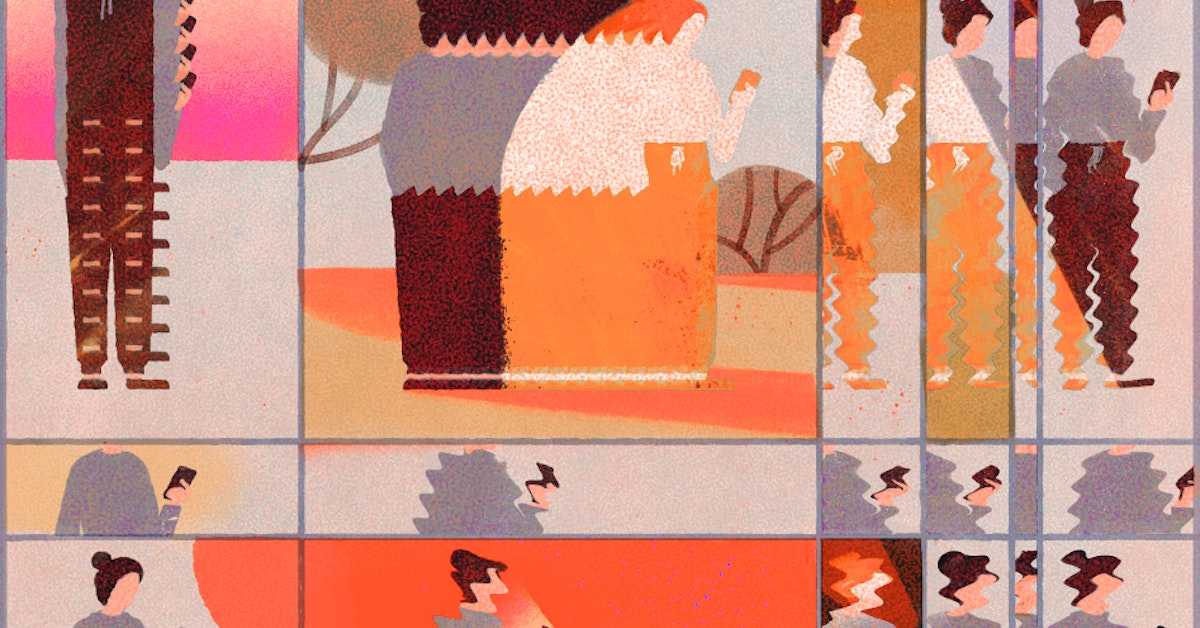
المنهجية. أُعدّ هذا الملخّص في 13 سبتمبر 2026 من نصّ المقال الأصلي على موقع مجلة نويما (سُحبت الصفحة واستُخرج نصّها بعناوينه، نحو 4,800 كلمة، تاريخ النشر 3 سبتمبر 2026 كما في بيانات الصفحة؛ الكاتب مايك مارياني، صحفي في منطقة واشنطن ومؤلّف كتاب «What Doesn’t Kill Us Makes Us»). قُرئ كاملاً وقرأه بالتوازي قارئان ومدقّق اكتمال رسم خريطة حجّته، ثم اختُصر بطلبك «يُقرأ في 15 دقيقة» (المادة 5.8): أُبقيت كلّ خطوات الحجّة الحاملة والدراسات والأسماء والأرقام والتحفّظات، وسقطت الصور البلاغية المكرّرة وبعض الأمثلة التوضيحية؛ والمراجع [¶N] أرقام فقرات المقال بترتيبها. كلّ رقم قولُ المقال لا قياسٌ منّا، وكلّ دراسة أو شخص منسوب كما نسبه الكاتب (بلا إضافة عناوين أو سنوات لم يذكرها). جدول «المسارين» يرتّب تمييزاً صرّح به الكاتب نفسه ولا يضيف إليه. صورة الرابط هي رسم المقال الأصلي في المجلة. الترجمة بالمعنى في عربية سلسة وفق المادة 3.4. النشر: رُفعت هذه الصفحة على shortitfor.me/time-warped بتاريخ 14 سبتمبر 2026، بناءً على أمر المالك النصّي الصريح لهذا الملف بعينه («انشر») — وفق المادة 6 من دستور الملخصات (الإصدار 1.3: النشر من جلسة الملخصات هو الطريق المعتمد)، والصفحة موسومة noindex كما توجب المادة نفسها.
A summary of “Your Perception Of Time Is, In Fact, Warped” (Mike Mariani), in Noema: why everyone feels the years are speeding up, what the brain actually measures time by, now that the “internal clock” has fallen, how the torrent of screens crams the moment and empties memory, what the European TIMED project found, and why boredom has become an “endangered species.” Condensed at your request for a 15-minute read.
↗ Read the original article
The Gist in Four Sentences
If you read nothing else
We keep marveling at how fast the years go by, but for Mariani the deeper problem is that we’re forgetting them. The brain has no internal clock; in the moment it measures time by how much “stuff” it is processing, and in retrospect by how many memories it has formed. The torrent of screens crams the moment with enough to speed up our sense of time, then leaves no memory behind, so the months collapse in recollection — “the worst of all worlds,” as Luke Jones puts it — on top of a disorientation inherited from the pandemic and a culture that cannot abide “doing nothing.” The upshot is that the crisis may be less intractable than it looks: cut back on what you feed your brain; perhaps, as Ogden says, it is time the makers of technology shouldered some of the responsibility; and reclaim the empty, boring minutes where memory forms, for they are “far more valuable than we ever could have known.”
1 · From Wistfulness to Alarm
[¶4 – ¶10]
We have long been ensorcelled by the passage of time: puckered leaves fluttering from barren branches, grains of sand tumbling through the neck of an hourglass, a snow cornice awaiting the avalanche that will bring it down. These emblems speak to the bittersweet relationship we have cultivated with this unit of measurement: a tender wistfulness toward a time that, fast or slow, we know is forever slipping through our fingers.
But lately that relationship has shifted in unsettling ways: instead of regarding the passage of time with introspection or melancholy, many now observe it with a mounting sense of alarm. Evidence abounds for what the writer calls “a metaphysical crack-up around time” [¶7]: a growing conviction among people from all walks of life that time is moving faster than it did decades ago, or even before the Covid pandemic — a belief that seeped into the zeitgeist like a creeping fog until it began to supplant idle chatter on the weather. On Reddit, people commiserate: a farmer whose work cycles with the seasons “can’t believe how fast this year has gone”; a middle school teacher finds herself in conversations with students “perturbed by the speed of life”; a programmer feels the “pandemic years blurred together, and everything after feels compressed, like one long season instead of separate years”; and civilizational events — Covid, climate change, large-scale armed conflict and the rise of AI — “have piled up so quickly that it feels like we’re living through multiple decades at once” [¶8].
These stray observations have coalesced into a chorus, from Boomers to Gen Z. And here the absurdity of contemporary American life shows through: many agree that our relationship to time has been warped, yet our collective response has been to shrug and move on — as though we had all lost our depth perception at the same moment and begun crashing into road medians and pratfalling down staircases, and instead of fixing the problem, resigned ourselves to the daily collisions. The writer poses two possibilities: either our internal mechanisms for gauging time have changed, or been irrevocably thrown out of sync with the clocks we’ve structured civilization around for nearly a century; or the pandemic spoiled our capacity to judge duration, expanding and contracting our sense of time over and over until its fabric grew loose and rippled into a form we no longer recognize.
2 · “A Theory of Relativity”: From Janet to “Blursday”
[¶11 – ¶24]
Scientists have been grappling with these questions since the 19th century. In the 1890s, the French philosopher Paul Janet proposed that we experience time in proportion to our age: at 10, a year is a tenth of your life, and you process it slowly and substantively; at 50 it is just 2%, and it flits by, weightless — what came to be known as “logarithmic time perception.” William James then picked up where Janet left off in “Principles of Psychology”: time moves more slowly for young people, who slingshot themselves into fresh experiences every day, so that “apprehension is vivid, retentiveness strong,” and those stretches are recalled as something “intricate, multitudinous, and long-drawn-out.” As we grow older, we sink into patterns and routines, living by rote, and consciousness slides into a duller state: “the days and the weeks smooth themselves out in recollection to contentless units, and the years grow hollow and collapse” [¶15].
James was writing before neuroscience or psychology even existed, yet many researchers today embrace his view: how we gauge time is bound up with how active and engaged the brain is, and with how many memories we form. As Luke Jones, a psychologist at the University of Manchester, puts it: “We only remember things which are novel or exciting or scary or have some visceral meaning to them … And your retrospective perception of duration is based on memory” [¶17].
Then came the pandemic, which bowed and buckled the hourglass. Through three years of lockdowns and quarantines and their claustrophobic monotony, people said the weeks felt “stretched,” “warped,” “blurred.” In 2023, sociologists at Baylor University published a study using Gallup data collected at the height of the pandemic and found that Americans had experienced “time disorientation” in several directions: speeding up, slowing down, and days blending together until they were indistinguishable. A study of Uruguayan university students, published in “Time & Society” in 2022, found that 80% felt time had either sped up or slowed down, and the findings were replicated in Argentina and Iraq. Its authors also noted an irony: where excessive free time bred boredom, “time would be slow in the moment, but looking back on the experience retrospectively, people would feel that time flew” [¶20].
| Vantage point | What the brain measures time by | What the pandemic did |
|---|---|---|
| In the moment | How engaged or stimulated you are | Empty days slowed to a crawl |
| Retrospectively | How many memories you formed | Insipid repetition yielded few memories, so wide swaths of time grew hollow and collapsed |
This irony reveals what captivates the writer: we gauge the speed of time by one set of criteria in the moment and by a different one retrospectively. Those trapped in their homes with nothing to do suffered the worst of both at once. Marc Wittmann, one of the 2022 study’s co-authors and a time perception researcher at the Institute for Frontier Areas in Psychology and Mental Health in Germany, explains that the lack of distinct markers made each day look exactly alike: “Monday used to be the day you went skating, Tuesday was the day you spent with your friends. We used to have something associated with each day” — and all of it disappeared during the lockdowns. Wittmann calls this “Blursday” [¶22]. That surge of disorientation came to be known as the “2020 effect”: days bleeding into each other, time “stretching,” and an inability to recall events in sequence, as though our memories had been shuffled during a game of three-card monte. But the most relevant question in 2026 is not whether the pandemic changed how we perceive time — a raft of academic papers demonstrates that it did — but whether our perception ever snapped back to the way it was.
3 · The Internal Clock Fallacy: The Brain “Counts Stuff”
[¶25 – ¶38]
To understand why our “internal clocks” sped up, we need to understand what we mean by them. For years, researchers have been trying to explain how we subjectively gauge duration, and the riddle has proven stubborn because we have no organ or system dedicated to sensing time; psychological time, as a 2016 paper puts it, is “an abstraction … that we create in order to explain the coherence of events.” Even so, scientists were long convinced that a specific mechanism for measuring time existed — the “internal clock model” — before doubt set in. Dean Buonomano, a neuroscientist at the University of California, Los Angeles, says: “Back then, there was a very anthropocentric model that was suspiciously similar to actual man-made clocks … You have some oscillator ticking away at some frequency, and then counting the time units” [¶27]. The other problem was that no one ever found the clock. As Warrick Roseboom, a psychologist at the University of Sussex, puts it: “Researchers were just like, ‘Oh, you have a clock in your brain. We just need to find where the clock in your brain is.’” For some, the model lost its credibility.
In 2022, Roseboom and his colleagues at Sussex published a study that showed participants short videos: the activity the videos elicited in their brains was strongly correlated with their sense of how much time had passed; the more happening they detected in a video, the more their visual-processing activity changed, and the more time they felt had gone by. The authors concluded that we tell time by “the accumulation of salient changes in the perceptual processing hierarchy” — or, as co-author Maxine Sherman put it, “the brain just ‘counts’ how much ‘stuff’ has happened” [¶29]. The upshot: there is no internal clock measuring minutes and hours; we use our external environment as a proxy, and the more “stuff” our sensory cortex picks up on, the more time we register as passing.
This new view may shed light on why so many people today feel that time is speeding up: we are inundated with videos, images and notifications around the clock, with far more information than our brains needed 10 or 20 years ago [¶31]. James Hyman, a neuroscientist at the University of Nevada, Las Vegas, argues that applying Roseboom’s theory to our media ecosystem explains why so many people feel flummoxed by the speed of their lives: “We’re constantly moving onto the next thing … if our brains are only able to tell time by counting things, then we’re jamming lots more things in there” [¶32]; the internal proxy mechanisms are tricked into speeding up, and time feels like it is moving faster and faster.
“You would think that because we’re paying more attention to more things, that retrospectively time should feel longer. But I think we’ve got the worst of all worlds.”
But the casino-like frenzy of our digital environments is only part of the explanation. When we say “this week flew by,” we are engaging in retrospective time perception, and arguably its most important variable is memory: whether we formed memories, how many, and how vivid they are. Memories are the trees and peaks that landscape our past and keep it from growing hollow and collapsing in on itself; the pandemic, smooth and featureless as the interior of a spaceship, had no landscape, and our memory of it collapsed accordingly. Here lies the central irony of our supersaturated world: Roseboom’s theory predicts that information-rich time should feel long, yet the apps, games and videos that light up our sensory cortex do not generate the indelible experiences needed to form memories; as Jones puts it, “When you get to the end of the day, you look back and there’s no meaningful content there. It’s just the same blur.” Wittmann agrees: “When we’re on digital media, time passes very quickly. You lose yourself. You’re jumping around like mad in these apps, and you can’t put them into memory and later recall them, because the experiences just vanish” [¶36].
Browsing and scrolling anesthetize the brain more than they activate it, so an hour on TikTok can feel like 10 or 15 minutes; extrapolating further, the writer speculates that several hours a day on social media may give us the impression that we were awake for just 12 or 13 hours, and that surrendering this much time to our ersatz digital warrens, over months and years, may breed a sense of deprivation — a feeling that years have been carved out of our lives. According to Wittmann and other researchers, social media platforms are extremely effective at short-circuiting our retrospective time perception. The writer describes many of us as confined to a permanent amnesiac present, one throbbing with artificial life but unable to fathom where it came from or where it is going [¶38].
4 · Investigating the Time Warp: The TIMED Project
[¶39 – ¶47]
The collective sense that time is speeding up has gained enough traction for scientists to take notice. A group of European psychologists has formed a research consortium, Time Experience in Europe’s Digital Age (TIMED), which brings together some of the top time-perception researchers in Germany, Spain, Switzerland and the U.K. and is using interviews, questionnaires and experiments to study how our perception of time is shaped by the way we use technology. Over three years the project has collected data from tens of thousands of participants around the world, and it has begun publishing its findings:
- People who spend more time on devices and platforms feel time passing more quickly. In one of their papers, Wittmann and his co-authors cite memory as a key factor in this correlation: “Routine activities such as repeatedly checking apps or prolonged online engagement for professional purposes could reduce the frequency of novel, embodied, and enactive experiences. This, in turn, results in fewer rich or meaningful events being encoded in autobiographical memory. Consequently, such periods may retrospectively appear less eventful and more compressed” [¶42].
- Excessive device use breeds a negative relationship with time: participants associated digital technology with “a loss of time, a desire to fill all time, a propensity to forget time and, as a result, a desire to gain greater control of time”; and the feeling that one’s relationship with time had spun out of control spawned “feelings of guilt, shame, and a lack of self-control” [¶43].
Ruth Ogden, the project’s lead investigator, says: “What was really interesting to me was how people constantly talked about digital technology stealing their time … One of the things that happens when you engage in doom scrolling and other forms of social media is you completely forget about time — time doesn’t exist anymore. So then you massively overextend how long you engage in these activities for” [¶44]. But she does not see technology as the sole culprit; the strain runs deeper than memes, AI slop and infinite scroll, and is rooted in how modern society frames inert states like boredom and “doing nothing.” In the project’s interviews, respondents said they were uncomfortable with periods of inactivity and felt compelled to fill every gap in their schedule with their devices: “Even when people have time, they don’t use it to do nothing … We live in a society that really values constantly being busy and constantly having something to do. We saw this in TIMED through people’s use of digital technology, where every bit of free time was spent on screens” [¶45].
If people were more comfortable with intervals free of “productivity” — quiet longueurs, spells of boredom, periods of aimless reflection — they might stand a better chance of expanding and enriching the way they experience time. “It’s in those calm moments where we see a unique pattern of activity in the part of our brain responsible for helping to make our memories,” Hyman says [¶46]; those are the moments when we contemplate our immediate pasts and integrate them into the larger arc of our lives. But these states have been largely vaporized this decade, and only a seismic shift in our values and ideals stands a chance of reclaiming them. In Ogden’s eyes, the dilemma boils down to one question: “How do we get people back to being comfortable with doing very little and believing that doing little is not an indication of laziness?” [¶47]
5 · The Beauty of Boredom
[¶48 – ¶59]
The stakes may seem low: feeling like time is speeding up is not a “kitchen table issue”; it won’t raise your taxes or make you go hungry. But the TIMED project has demonstrated that people who feel they’re losing time are genuinely unhappy and even distressed; members of Gen Z, in particular, don’t talk about the quickening pace of their lives with disinterested curiosity — they lament it. When we lose our grip on the passage of time, we feel we’re losing our grip on our very lives.
Western culture views time as a currency to be leveraged, channeled and optimized, and the pressure to perform productivity at all times is so insistent that many of us — Mariani included — have lost the ability to slow down and luxuriate in the inherent slowness of time, “like honey slithering across a glass jar.” When Aldous Huxley was asked about time in “The Doors of Perception,” he answered simply: “There seems to be plenty of it” [¶50] — untethered from his ego and its attachments, he tapped into a spaciousness of existence that is permanent and inviolable, if only we still had the freedom to see it. Technology has capitalized on this culture of synchronized compliance: the companies that make our devices and software have wedged themselves into the heart of our perverse relationship to productivity, handing us the badges and motifs that signify a certain enterprising competence; and as Jenny Odell writes in “How to Do Nothing,” there is a battle playing out “for our time, a colonization of the self by capitalist ideas of productivity and efficiency” [¶51]. The pandemic itself ended up feeding the hunger for “getting ahead”: Slack, Teams and Zoom made the boundary between work and home porous, letting what Odell calls a “certain nervous feeling, of being overstimulated and unable to sustain a train of thought” seep into spaces that had once been insulated. This explains why so many feel their perception of time never returned to what it was before Covid: we became even more tethered to platforms where productivity hums 24 hours a day, and with minds more anxious and overstimulated, our perception never had the chance to settle back into a calmer pace; pre-pandemic trends resurfaced as though shot out of a cannon — a race for money, a home, a job, the live events we had been robbed of — and amid this competitive turbulence and the technologies that capitalized on it, “everything started to move faster.”
If we accept this premise, then perhaps the crisis of time speeding up is not as hopeless as it seems. According to the latest time perception research, the amount of information our brains engage with shapes our sense of how fast time is moving; if we deliberately reduce the stimuli we expose ourselves to in a given day or week, our brains will gradually slow down, and our perception of time with them. Ogden argues that society has placed too much of the responsibility for limiting technology on the individual: “Maybe it’s time that we shifted some of that onto the creators. The key metric for the success of digital technology is how long users are on it for … How do we flip that?” [¶56]. Until those structural changes arrive, she stresses intentional use: “What are you trying to get out of this digital technology use? You need to have an awareness of your own goals.” And beyond our individual behavior, the culture must change: boredom and “doing nothing” are neither shameful nor necessary evils — “There is huge value in doing nothing. We need to move away from thinking that it’s weird, lazy or slovenly” [¶57]. Asked about her perfect holiday, she described what people now labor so strenuously to avoid: “to go and sit in a square in Italy with a nice glass of wine and watch the world go by.”
“Close your eyes and simply wait to hear somebody tell you that a minute has elapsed … You engulf yourself into its bowels as into those of that interminable first week of an ocean voyage, and find yourself wondering that history can have overcome many such periods in its course.”
James invites us to an experiment: those 60 seconds will feel overwhelmingly full because “you attend so closely to the mere feeling of the time per se.” When our senses are engaged and stimulated, time is compressed, disguised, eclipsed. “The feeling of bare time,” however, “is the least stimulating experience we can have.” We used to tolerate those interminable minutes standing in a crowded grocery line, gazing out the convex glass window of an airplane, waiting for the dull red digits on an oven timer to run down to zero. These moments have become the endangered species of our day-to-day lives — “and they are far more valuable than we ever could have known” [¶59].
Methodology. This summary was prepared on 13 September 2026 from the original article text on Noema’s website (the page was fetched and its text extracted, headings included — about 4,800 words, publication date 3 September 2026 per the page metadata; the writer, Mike Mariani, is a journalist based in the D.C. area and the author of “What Doesn’t Kill Us Makes Us”). It was read in full, and in parallel by two readers and a completeness checker that mapped its argument, then condensed at your request — “readable in 15 minutes” (Article 5.8): every load-bearing step of the argument, along with the studies, names, figures and caveats, was kept; repeated rhetorical imagery and some illustrative examples were dropped; the [¶N] references are the article’s paragraph numbers in order. Every figure is the article’s own statement, not a measurement of ours, and every study or person is attributed as the writer attributed them (no titles or years added that he did not mention). The “two vantage points” table arranges a distinction the writer himself drew and adds nothing to it. The link image is the article’s original illustration from the magazine. Translation by meaning, in fluent Arabic, per Article 3.4. Publication: this page was uploaded to shortitfor.me/time-warped on 14 September 2026 at the owner’s explicit written command for this specific file (“publish”) — under Article 6 of the Summaries Constitution (version 1.3: publishing from the Summaries session is the approved route), and the page is tagged noindex as that same Article requires.