احرق القوارب — دواين نويل، مدرسة دراي كريك
خلاصة فيديو «Burn the Boats» من قناة Dry Creek Wrangler School للمتحدّث دواين نويل (Dewayne Noel): قصّة كورتيس على شاطئ المكسيك سنة 1519، وما يعنيه أن تحرق قواربك أنت، وما الذي حرقه هو في الشهر الأخير، وحدود المصالحة بعد الحرق. مختصر بطلبك لقراءة خمس دقائق، ومعه نبذة عن المتحدّث في صندوق إضافة موسوم.
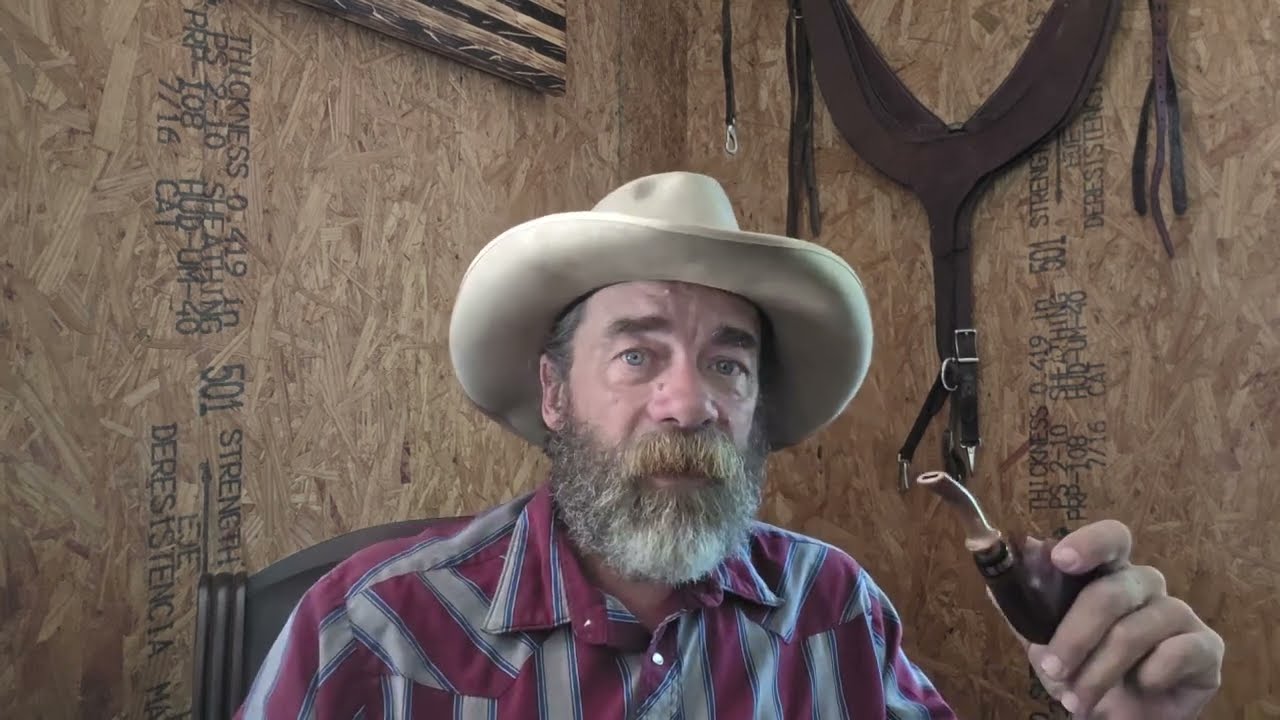 ▶ شاهد الفيديو الأصلي
1 · القصّة: كورتيس على الشاطئ
[0:00 – 1:24]
يفتتح دواين بالقصّة: في سنة 1519 يقف كورتيس مع رجاله على شاطئ في المكسيك. الرجال ينظرون إلى الغابة ولا يريدون دخولها؛ لا يعرفون ما فيها ولا ما ينتظرهم، ويريدون العودة إلى الوطن، لكن لا عودة. وما دامت القوارب على الشاطئ فهي رمز للوطن وصلة ملموسة وعاطفية به، ولذلك لن يدخلوا الغابة. فيصدر كورتيس أمره: احرقوا القوارب. «وحين احترقت القوارب لم يبقَ للرجال خيار إلا التقدّم» [1:03].
2 · الشاطئ الذي تقف عليه أنت
[1:24 – 3:28]
كثيراً ما نجد أنفسنا واقفين على شاطئ. ركبنا القارب الذي أوصلنا إليه، فنصل ونقول: «لا أريد أن أكون هنا». ربما لم نُرد ركوبه، ربما أُجبرنا عليه، لكنه أوصلنا إلى نقطة في حياتنا نقف فيها على الشاطئ: أمامنا غابة غريبة لا نفهمها ولا نعرف ما فيها، وخلفنا قوارب هي تذكار ملموس لمكان جئنا منه ولا نستطيع الرجوع إليه. فنقف مشلولين.
«يا رجال، بعضكم واقف على ذلك الشاطئ منذ سنوات» [2:06]: لم تتحرّكوا بحياتكم، تنظرون بحنين إلى القارب الذي جاء بكم من حياةٍ كانت لكم ولم تعد. لن تتقدّم ما دامت القوارب على الشاطئ: «عليك أن تحرق قواربك. عندها فقط تستطيع التقدّم» [2:27]. والحرق فعلُ إرادة — «هذا ما سأفعله» — وهو شيء ذهني وعاطفي عليك أن تفعله: أن تتخلّى عن الأمل الفارغ بأن الأمور قد تعود يوماً إلى ما كانت عليه. لن تعود؛ لن يحدث. خيارك الوحيد أن تتقدّم وتكتشف كيف ستكون الأمور، ولا تستطيع ذلك قبل أن تحرق القوارب.
3 · ما حرقه دواين في الشهر الأخير
[3:28 – 5:57]
«اضطررتُ إلى حرق بعض القوارب في هذا الشهر الأخير» [3:28]. وما شكل ذلك؟ «أن أغرز وتداً في قلب بعض المحاولات المتبقّية لعلاقات ثانوية». إن كنتَ لن تتقدّم وستموت على الشاطئ، فاحرق قواربك. عليك أن تدفن الأمس؛ «الأمس ميّت».
ويقول إنه يتكلّم هنا «بحذر واحترام شديدين» [4:12]: غرباء تماماً يدخلون ويطالبونه بإجابات وتفاصيل — «لن أفعل. لقد أحرقتُ القارب، ولن أبقى على هذا الشاطئ». ومن يسأله عن احتمال كذا في المستقبل: «أحرقتُ ذلك القارب». جيء به إلى شاطئ لم يُرد أن يكون عليه، فلن يقف ينظر بحنين إلى رمز ما كان: «الغد أمامي، والأمس مضى، وقد أحرقتُ قواربي» [4:54]. له أشياء بدأها واتجاهات شرع فيها، وهو يمضي؛ ومن لا يزال يحاول تقييده بسلاسل ما كان، «أحرقتُ قاربهم أيضاً» [5:36].
4 · هل تبقى مصالحة؟ ولمن هذا الكلام
[5:57 – 8:42]
ويستبق اعتراضاً يتوقّعه: «تقول: دواين، هل يُنهي ذلك كلّ احتمال للمصالحة في المستقبل؟» — ويقصد المصالحة مع الأهل الذين اختاروا وانحازوا. «لا، لا يُنهيه» [5:57]. وهل يعني أنه لا فرصة إطلاقاً للمصالحة مع طليقته؟ «لا». لكن إليك ما يعنيه فعلاً: «إن أرادوا المصالحة فعليهم أن يبنوا قاربهم اللعين بأنفسهم ويأتوا للبحث عني» [6:20]. الناس يتّخذون خيارات طوال الوقت؛ فإن اتّخذوا خيارات غير صحّية لك فدعهم يتّخذونها، واحرق ذلك القارب وامضِ. وإن قرّروا لاحقاً «أخطأتُ، كنتُ مخطئاً» فذلك حسن؛ دعهم يبنون قاربهم. أمّا أنت فاحرق قواربك، لأنك حتى تفعل ستبقى عالقاً على الشاطئ: خائفاً من التقدّم وعاجزاً عن الرجوع، تنظر إلى القوارب مشلولاً عن الحركة.
بسيط؟ خشن قليلاً؟ لكنه يعرف من يخاطب، ومن يستمع يعرف. سيدخل كثيرون ليثرثروا، «ولم أكن أخاطبكم». «أخاطب الرجال الذين ظلّوا عالقين بلا حراك على الشاطئ وقتاً أطول ممّا ينبغي» [7:44]: فلنحرق القوارب، ولنُكمل حياتنا، ولنمضِ. ليفكّر الناس ما شاؤوا، وليقطعوا التواصل كما شاؤوا، وليلوموا كما شاؤوا، وليقولوا ما يقولون من أكاذيب؛ «والطيور فوق الأشجار فلتنعق، لا يهمّ» [8:04]. حان أن تغادر الشاطئ وتمضي إلى المستقبل، «ولا تستطيع ذلك حتى تحرق قواربك».
نبذة عن المتحدّث: دواين نويل
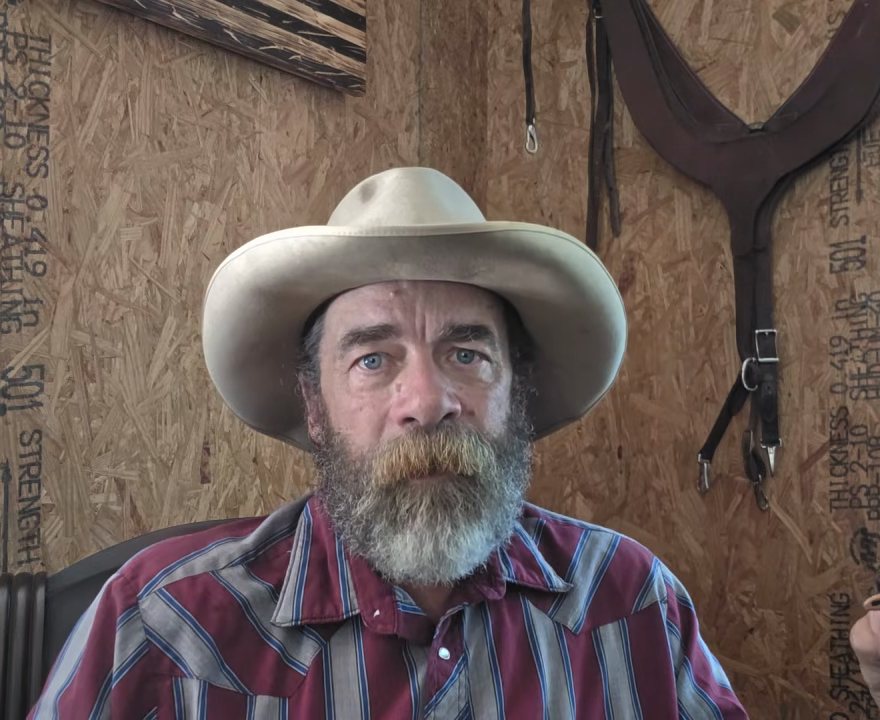
دواين نويل (Dewayne Noel) هو الجيل السابع من عائلته المولود في وسط ولاية كنتاكي، وأبوه واعظ معمداني. في السادسة والعشرين ركب حافلة إلى أيداهو «ليلاحق الحلم الذي حمله منذ طفولته» مع الخيل، وعمل لاحقاً في قسم الشحن بمصنع أثاث في بلدة ألباين بولاية تينيسي. ركب خيول المغول في الصين، وأطلق عملاً لرحلات السفاري على ظهر الخيل في بوتسوانا، ويقول إنه يعيش «حياة الخيل» منذ 25 سنة. بدأ قناته على يوتيوب لتقديم نصائح فروسية أساسية، فطلب المتابعون مدرسة، فأسّس Dry Creek Wrangler School لأساسيات التواصل مع الخيل — لا الركوب — بشعار «لا تفعل أكثر… افعل أقلّ وأفضل»؛ ولا تعقد دورات في 2026. اشتُهر بتعليقاته «المباشرة بلا تكلّف» عن الحياة والرجولة، ولُقّب في أحد البودكاستات بـ«الكاوبوي الفيلسوف». في نوفمبر 2024 قال إنه متزوّج منذ نحو 34 سنة وله سبعة أولاد؛ وفي هذا الفيديو يذكر طليقته دون تفاصيل، ولم أتتبّع ذلك.
المصادر: تفريغ حلقة بودكاست Modern Wisdom (25 نوفمبر 2024) · وصف حلقة Harness Up! (3 مايو 2024) · صفحة حلقة Order of Man (14 مارس 2023) · موقع المدرسة drycreekwranglers.com · شهادة دارس (Canvas Cutter) · عنوان حلقة «Dry Creek Wrangler (the “Philosopher Cowboy”) — Ep #32». ما لم أجده موثَّقاً في هذه المصادر لم أذكره.
المنهجية. أُعدّ في 13 سبتمبر 2026 من التفريغ الآلي الإنجليزي (نحو 1,080 كلمة في 8:42)، قُرئ كاملاً وراجعه قارئ ومدقّق اكتمال ومدقّق أمانة، ثم اختُصر بطلبك «للقراءة في 5 دقائق» (المادة 5.8): لم يُحذف إلا تكرار العبارات، والأفكار والتحفّظات باقية بترتيب الفيديو؛ وعبارة «علاقات ثانوية» كما جاءت في التفريغ الآلي وقد تكون مشوَّهة. الفيديو لقطة واحدة بلا شرائح، فلا صور إلا صورته في النبذة. النبذة إضافة بإذنك النصّي «أعطني نبذة عن المتكلم وتاريخه»، في صندوق موسوم بمصادره (المادة 4)، وما يخصّ حياته الشخصية اقتصر على ما قاله علناً. كلّ رقم قولُ المصدر. الترجمة بالمعنى (المادة 3.4). النشر: سُلّم إلى مساحة Boss مسودّةً بأمرك «ارفعها على المدونة»، والنشر العلني بإذنك (المادة 6)، وnoindex باقٍ. والنشر على «ملخصاتي»: رُفعت هذه الصفحة على shortitfor.me/burn-the-boats بتاريخ 13 سبتمبر 2026، بناءً على أمر المالك النصّي الصريح لهذا الملف بعينه («ارفعها على المدونة» ثم «جميل انشر») — وفق المادة 6 من دستور الملخصات (الإصدار 1.3: النشر من جلسة الملخصات هو الطريق المعتمد)، والصفحة موسومة noindex كما توجب المادة نفسها.
A digest of the video “Burn the Boats” from the Dry Creek Wrangler School channel, by the speaker Dewayne Noel: the story of Cortés on a beach in Mexico in 1519, what it means for you to burn your own boats, what he himself burned this past month, and the limits of reconciliation once the boats are burned. Condensed at your request into a five-minute read, with a speaker profile in a labeled add-on box.
▶ Watch the original video
1 · The Story: Cortés on the Beach
[0:00 – 1:24]
Dewayne opens with the story: in 1519, Cortés is standing with his men on a beach in Mexico. The men are looking into the jungle and don't want to go in there; they don't know what's in there or what awaits, and they want to go back home — but there is no going home. As long as the boats are there on the beach, they are a symbol of home, a tangible emotional connection to it, and so the men will not go into the jungle. So Cortés gives the order: Burn the boats. “Once the boats were burned, the men had no choice but to move forward” [1:03].
2 · The Beach You're Standing On
[1:24 – 3:28]
Many times we find ourselves standing on a beach. We got on the boat that brought us there, and when we get to the beach we say: “I don't want to be here.” Maybe we didn't want to get on it; maybe we were forced onto the boat. But it brought us to a point in our life where we're standing on the beach: ahead of us, a strange jungle we don't understand, with no idea what's in it; behind us, boats that are a tangible reminder of where we came from that we cannot get back to. And so we stand paralyzed.
“Fellas, some of you've been standing on that beach for years” [2:06]: you have not moved forward with your life; you stand looking longingly at the boat that brought you from the life you used to have and no longer have. You cannot move forward as long as the boats are still on the beach: “You need to burn your boats. Only then can you move forward” [2:27]. Burning them is an act of the will — “This is what I'm going to do” — a mental, emotional thing you have to do: giving up on the empty hope that maybe one day things can go back to the way they used to be. They won't; it's not going to happen. Your only choice is to move forward and find the way things are going to be, and you can't do that until you burn the boats.
3 · What Dewayne Burned This Past Month
[3:28 – 5:57]
“I have had to burn some boats in this last month” [3:28]. And what does that look like? “Putting a stake through the heart of some lingering attempts at secondary relationships.” If you're not going to move forward and you're going to die on the beach, then burn your boats. You have to bury yesterday. “Yesterday is dead.”
He says he is speaking here “very carefully and respectfully” [4:12]: complete strangers are getting on and demanding answers and demanding details from him — “I'm not doing it. I've burnt the boat. And I'm not staying on this beach.” And to anyone asking about the possibility of this or that in the future: “I've burnt that boat.” He was brought to a beach he did not want to be on, so he is not going to stand there looking longingly at a symbol of what used to be: “Tomorrow's in front of me. Yesterday's gone. I've burnt my boats” [4:54]. He has things he has begun and directions he has started out in, and he is moving forward; as for those who are still trying to chain him with the chains of what used to be, “I've burnt their boat, too” [5:36].
4 · Is Reconciliation Still Possible? And Who This Is For
[5:57 – 8:42]
He heads off an objection he sees coming: “You say, Dewayne, does that end any and all possibility of reconciliation in the future?” — he means reconciliation with family who have chosen and taken sides. “No, it doesn't” [5:57]. And does it mean there is absolutely no chance of reconciliation with his ex-wife? “No.” But here is what it does mean: “If they want to reconcile they have to build their own dang boat and come find me” [6:20]. People make choices all the time; if they make choices that are unhealthy for you, let them make those choices, and you burn that boat and move forward. And if they decide later on, “I messed up. I was wrong,” that's good; let them build their own boat. But you burn your boats, because until you do, you're stuck stranded on the beach: too scared to move forward and unable to go backward, looking at those boats, paralyzed into inactivity.
Simple? A little rough? But he knows the audience he's talking to, and anyone listening knows it too. Plenty of people will get on here blabbering — “I wasn't talking to you.” “I'm talking to the men who've been stranded motionless on the beach for far too long” [7:44]: let's burn the boats, let's get on with our lives, and let's move forward. People can think what they want to think, ghost however they want to ghost, blame however they want to blame, and tell the lies they tell; “The dang birds walking up in the trees, they can squawk. It doesn't matter” [8:04]. It's time to get off the beach and move forward into the future, “and you can't do that until you burn your boats.”
About the Speaker: Dewayne Noel
Dewayne Noel is the seventh generation of his family born in central Kentucky, and his father is a Baptist preacher. At twenty-six he took a bus to Idaho “to chase the dream he had carried since childhood” with horses, and later worked in the shipping department of a furniture factory in the town of Alpine, Tennessee. He rode Mongolian horses in China, launched a horseback safari business in Botswana, and says he has lived “the horse life” for 25 years. He started his YouTube channel to offer basic horsemanship tips; followers asked for a school, so he founded Dry Creek Wrangler School to teach the fundamentals of communicating with horses — not riding — under the motto “Don't do more… do less, better”; it is not holding any courses in 2026. He became known for his “plain-spoken, no-nonsense” commentary on life and manhood, and on one podcast he was dubbed the “Philosopher Cowboy.” In November 2024 he said he had been married for about 34 years and has seven children; in this video he mentions his ex-wife without details, and I did not pursue that.
Sources: transcript of a Modern Wisdom podcast episode (25 November 2024) · Harness Up! episode description (3 May 2024) · Order of Man episode page (14 March 2023) · the school's website, drycreekwranglers.com · a student's testimonial (Canvas Cutter) · the episode title “Dry Creek Wrangler (the ‘Philosopher Cowboy’) — Ep #32”. Anything I could not find documented in these sources, I left out.
Methodology. Prepared on 13 September 2026 from the English auto-generated transcript (about 1,080 words over 8:42), read in full and reviewed by a reader, a completeness checker and a fidelity checker, then condensed at your request “for a 5-minute read” (Article 5.8): only repeated phrasing was cut, and the ideas and caveats remain in the video's order; the phrase “secondary relationships” is as it appears in the auto-transcript and may be garbled. The video is a single shot with no slides, so the only image is his picture in the profile. The profile is an addition with your written permission “give me a profile of the speaker and his background”, in a labeled box with its sources (Article 4), and anything concerning his personal life was limited to what he has said publicly. Every figure is the source's own statement. Translation by meaning (Article 3.4). Publication: delivered to the Boss workspace as a draft at your command “put it up on the blog”; public publication is by your permission (Article 6), and noindex remains in place. And publication on “My Summaries”: this page was put up on shortitfor.me/burn-the-boats on 13 September 2026, at the owner's explicit written command for this specific file (“put it up on the blog” then “great, publish”) — under Article 6 of the Summaries Constitution (version 1.3: publishing from the Summaries session is the approved route), and the page is tagged noindex as that same Article requires.